Decoding the Gut Aura: How Your Intestinal Microbiome Influences Emotional Intelligence and Decision-Making
Introduction
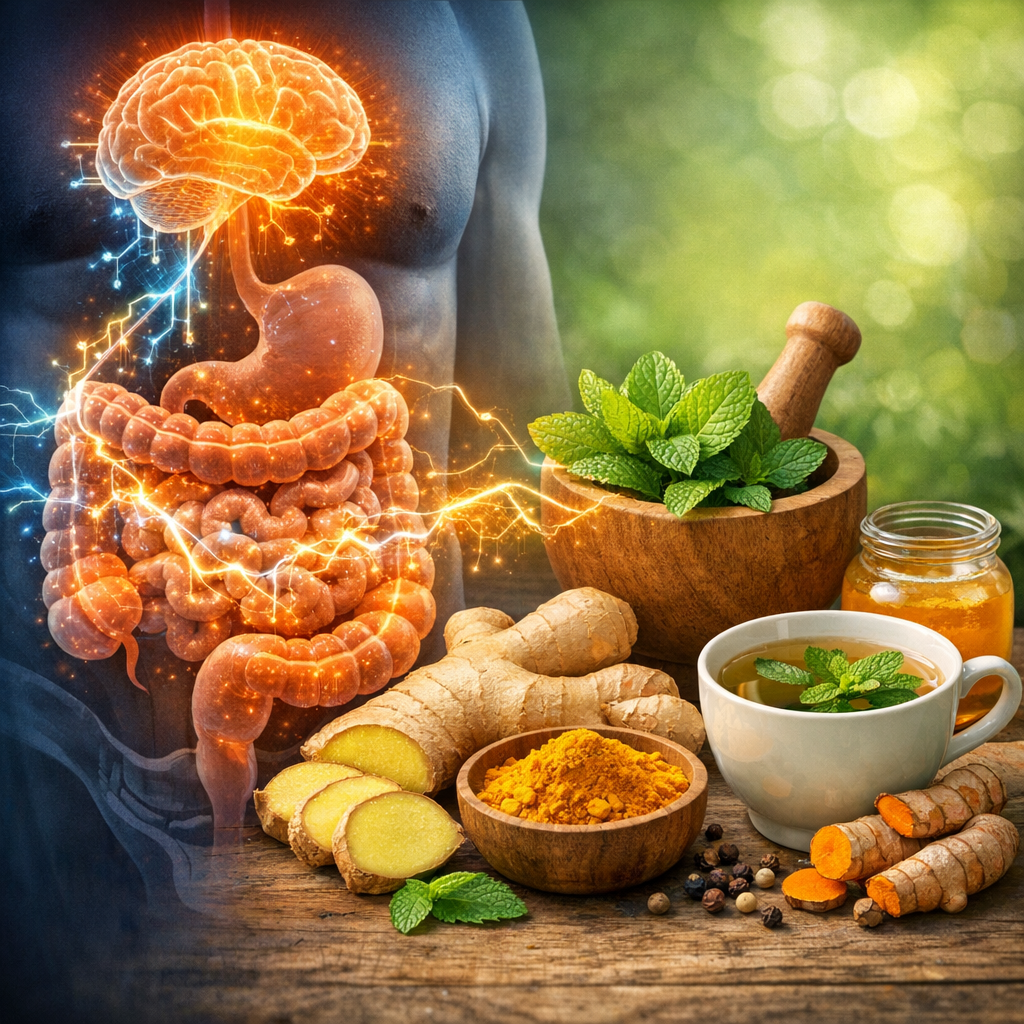
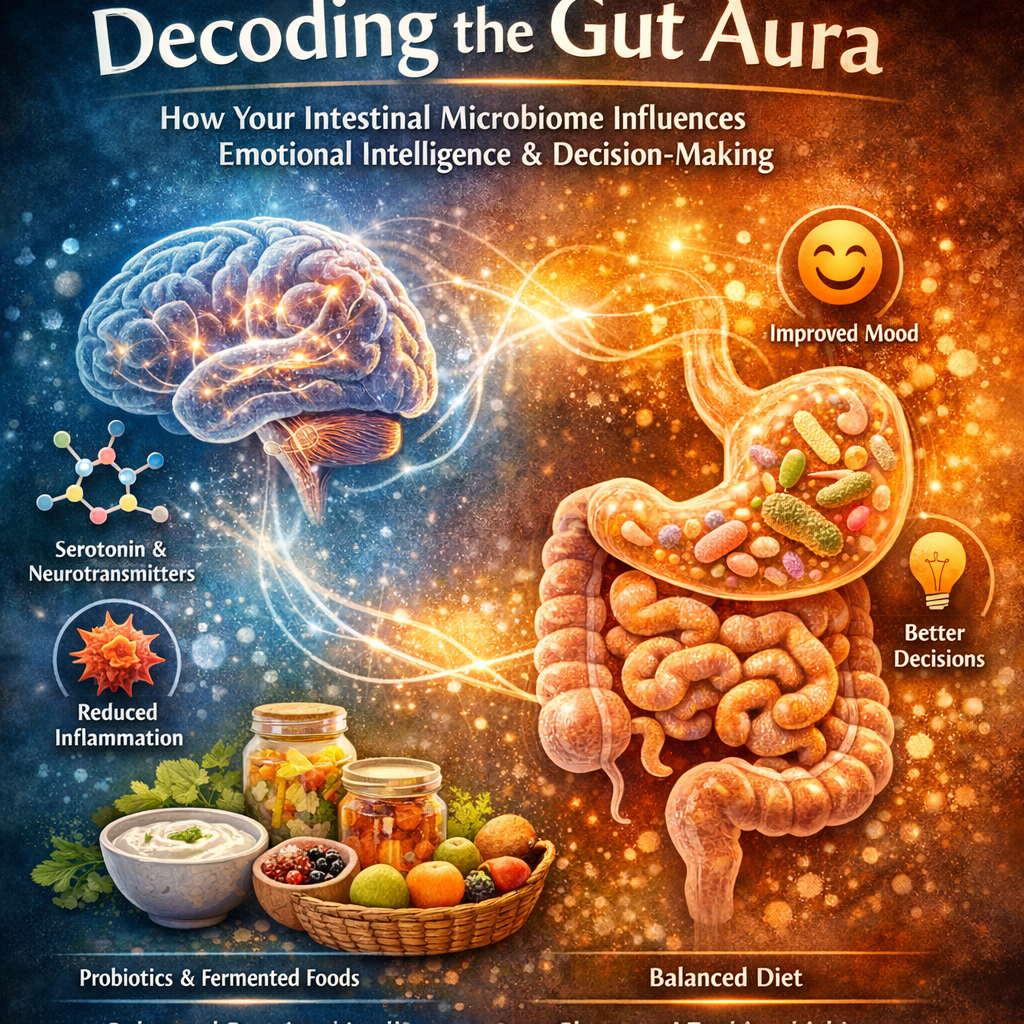
In the quest for better health, attention often gravitates toward diet and exercise, but what if the secret to clearer thinking and emotional well-being lies within the intricate ecosystem residing in our gut? The age-old adage “trust your gut” takes on a profound new meaning as modern science uncovers the complex relationship between our intestinal microbiome and cognitive functions such as emotional intelligence and decision-making. This burgeoning field of research explores the gut-brain axis, a bidirectional communication network linking the enteric nervous system of the gut with the central nervous system. This intricate dialogue is facilitated by a multitude of bacteria residing in our digestive tract, influencing far more than just digestion; they are key players in maintaining our mental equilibrium.
Recent studies have illuminated the pathway through which the gut microbiome can impact emotional and cognitive functions, shedding light on the mechanisms of mood regulation, anxiety, and even depression. This connection is underscored by the production of neurotransmitters right in our gut, with serotonin being a notable example—95% of it is synthesized in the intestines. Given that serotonin is crucial for mood stabilization, it begs the question: could nurturing a healthy gut microbiome enhance our emotional intelligence and thus our decision-making capabilities?
Moreover, the gut flora plays a role in inflammation modulation, which is crucial because chronic inflammation can affect cognitive functions adversely. As we delve deeper, it becomes apparent that the gut microbiome holds substantial sway over various aspects of our mental and emotional lives. Understanding and nurturing this mini-ecosystem might just be the key to enhancing our brain functions, potentially leading to sharper decision-making and enriched emotional intelligence.
Features
Research into the gut-brain axis is rapidly evolving, providing fascinating insights that are beginning to reshape how we think about the relationship between diet, gut health, and cognitive performance. A pivotal study published in [*Nature Reviews Neuroscience*](https://www.nature.com/articles/nrn3071) delved into how the gut microbiome interacts with the brain to modulate behavior. The research highlighted that specific strains of probiotics could alleviate symptoms of stress-related disorders, suggesting that gut flora imbalance might contribute to compromised emotional intelligence and decision-making.
One intriguing study conducted by researchers at the University of California, Los Angeles (UCLA) found a correlation between probiotic intake and brain function. Subjects consuming fermented foods displayed improved cognitive flexibility—an essential component of decision-making—compared to control groups. This study illustrates the tangible impact of gut health on our ability to process information and adapt emotionally. [Read more about the study here.](https://newsroom.ucla.edu/releases/probiotics-improve-brain-function-756950)
Furthermore, a study published in [*Psychosomatic Medicine*](https://journals.lww.com/psychosomaticmedicine/Fulltext/2020/01000/Gut_Microbiota_and_Emotion___A_Focus_on_Major.9.aspx) explored the connection between gut microbiota and psychological well-being. The findings indicated that an enriched microbiome positively correlates with increased emotional stability and resilience. This supports the growing notion that cultivating a diverse bacterial environment in our digestive systems could enhance aspects of emotional intelligence, such as empathy and emotional regulation.
Harvard Medical School has also contributed valuable insights by noting the role of dietary fibers fermented by gut bacteria into short-chain fatty acids (SCFAs), which can influence brain health. SCFAs have anti-inflammatory properties that are essential for maintaining the optimal functioning of the nervous system. Reduced inflammation is connected not only to lower risks of neurodegenerative diseases but also to improvements in mood and cognitive sharpness, which are critical for sound decision-making. [More insights can be found here.](https://www.health.harvard.edu/mind-and-mood/the-gut-brain-connection)
Conclusion
In conclusion, the symbiotic relationship between our gut microbiome and brain offers a comprehensive understanding of how gut health influences emotional intelligence and decision-making. By nourishing and maintaining a thriving gut ecosystem through a balanced diet rich in probiotics, prebiotics, and fibers, individuals can potentially bolster their mental acuity and emotional resilience. As the frontier of research into the gut-brain axis expands, embracing this natural and holistic approach could pave the way for improved mental clarity and enhanced life satisfaction. Consider prioritizing gut health not just for your digestive wellness, but as a foundation for optimal emotional and cognitive performance.
Summary
The gut microbiome significantly impacts our emotional intelligence and decision-making abilities. Scientific research highlights the crucial role of the gut-brain axis, a communication network between the gut and brain. Approximately 95% of serotonin, a key mood regulator, is synthesized in the gut. Nurturing a healthy microbiome through probiotics, prebiotics, and fibers can enhance cognitive flexibility and emotional resilience, potentially leading to improved mental clarity and decision-making. Embracing this knowledge offers a holistic approach to mental health, emphasizing the importance of gut health as a foundation for overall well-being.