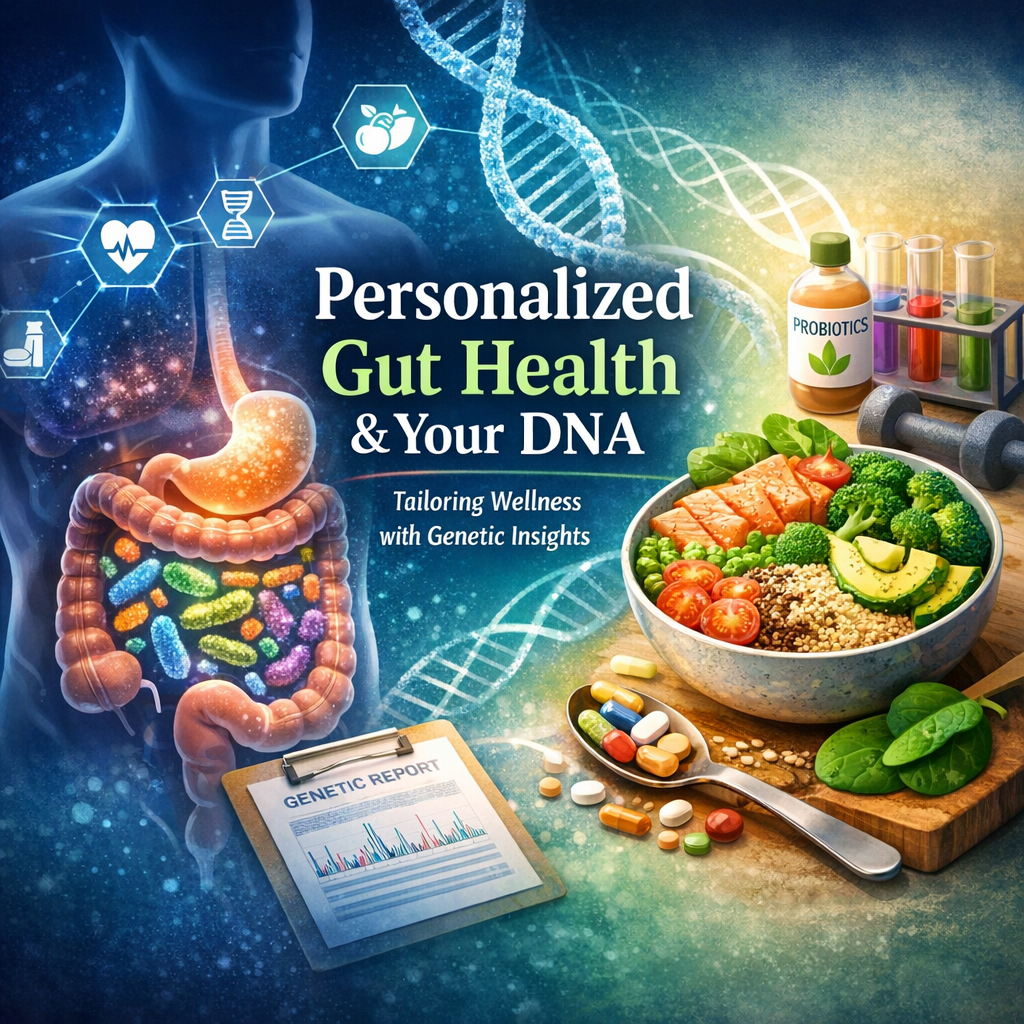
Decoding the Gut-DNA Link: How Genetic Profiling is Revolutionizing Personalized Gut Health Protocols
In recent years, the burgeoning field of genetic profiling has given rise to a personalized approach to various health domains, notably gut health. The gut microbiome—a bustling community of trillions of microorganisms residing in our digestive tract—plays a pivotal role in maintaining our overall well-being, influencing everything from digestion and nutrient absorption to immune function and mental health. However, the microbiome’s composition and functioning can vary significantly from person to person, dictated by factors like diet, lifestyle, environment, and crucially, genetic makeup. Understanding the intricate connection between our genes and gut microbiome offers a revolutionary pathway to devising personalized gut health protocols that promise more efficacy and precision than traditional, one-size-fits-all solutions.
Genetic profiling involves analyzing an individual’s DNA to identify genetic variants that may influence one’s health. These genetic insights have spurred the development of tailored interventions aimed at optimizing gut health. For instance, genetic factors can dictate how efficiently we digest certain foods, process nutrients, and respond to specific diets or microbiome-related therapies. By decoding our unique genetic blueprint, we can not only identify predispositions to gut disorders like Irritable Bowel Syndrome (IBS) or Celiac disease but also gain valuable insights into suitable dietary and lifestyle modifications to enhance gut health.
The advent of direct-to-consumer genetic testing kits has made genetic profiling accessible to a broader public, empowering individuals with data that can inform their gut health strategies. Health practitioners and nutritionists are increasingly incorporating genetic data into personalized nutrition plans, leveraging information about genes associated with gut microbiome diversity, inflammation, and dietary intolerance. These plans are designed to bolster beneficial gut flora, mitigate inflammation, and address specific gut-related health concerns, ultimately leading to improved digestive health and overall wellness.
Features: Exploring the Science Behind Gut-Genetic Interactions
The scientific community has taken a keen interest in the interplay between genetics and gut health, conducting numerous studies to unravel this complex relationship. A landmark study published in [Nature](https://www.nature.com/articles/nature13521) by Goodrich et al. (2014) highlighted that genetics can significantly influence gut microbiota composition. The researchers discovered heritable traits within gut bacteria that were linked to the host’s genome, pointing towards a genetic blueprint that partially determines the diversity and composition of the gut microbiota.
Complementary studies have further cemented the link between specific genetic variants and gut microbial diversity. For instance, a study detailed in the journal [Cell Host & Microbe](https://www.cell.com/cell-host-microbe/fulltext/S1931-3128(15)00150-7) explored the influence of the FUT2 gene, which is responsible for determining whether an individual secretes blood type antigens into bodily fluids. It was noted that individuals who possess a non-secretor status might experience altered gut microbiota and increased susceptibility to gut-related disorders like Crohn’s disease.
Additionally, the emerging field of nutrigenomics—studying the interaction between nutrition and genes—sheds light on how genetic variations can affect nutrient metabolism and dietary responses. Research published in [The American Journal of Clinical Nutrition](https://academic.oup.com/ajcn/article/98/2/447/4577150?searchresult=1) examined the interaction between genes and dietary patterns in obesity and metabolic diseases, providing insights into personalized dietary interventions that can modulate gut health through tailored nutrient intake.
Moreover, advancements in data analysis and computational biology have enhanced our ability to interpret genetic data, paving the way for novel applications in gut health. Integrating genetic data with other omics technologies can offer a comprehensive view of individual health, allowing for the development of precise and targeted interventions aimed at optimizing the gut microbiota’s balance and function.
Conclusion
As genetic profiling becomes increasingly integrated into healthcare paradigms, it holds immense promise for revolutionizing personalized gut health protocols. By leveraging genetic insights, healthcare providers can craft individualized plans that consider genetic predispositions, offering tailored lifestyle and dietary modifications that can substantially bolster gut health. This personalized approach not only addresses existing gut issues more effectively but also serves as a proactive measure, potentially preventing the onset of gut-related disorders. Embracing the gut-DNA link underscores a paradigm shift in how we approach digestive health, fostering a future where personalized medicine enhances the quality of life for many.
References
1. Goodrich, J. K., et al. (2014). Human genetics shape the gut microbiome. *Nature*. [Link](https://www.nature.com/articles/nature13521)
2. Kashyap, P. C., et al. (2013). Genetic determinants of host metabolism through the gut microbiome. *The American Journal of Clinical Nutrition*. [Link](https://academic.oup.com/ajcn/article/98/2/447/4577150?searchresult=1)
3. Blekhman, R., et al. (2015). Host genetic variation impacts microbiome composition across human body sites. *Cell Host & Microbe*. [Link](https://www.cell.com/cell-host-microbe/fulltext/S1931-3128(15)00150-7)
Summary
Genetic profiling is transforming personalized gut health protocols by revealing the relationship between our genes and gut microbiome. This personalized approach enables tailored interventions, addressing gut disorders and enhancing overall well-being. Studies have shown how genes influence gut microbiota and how nutrigenomics can affect dietary responses. These insights empower healthcare providers to design individualized lifestyle and dietary modifications, promoting digestive health. As genetic testing becomes more accessible, it marks a paradigm shift towards personalized medicine, improving quality of life by preventing and managing gut-related issues with increased efficacy.