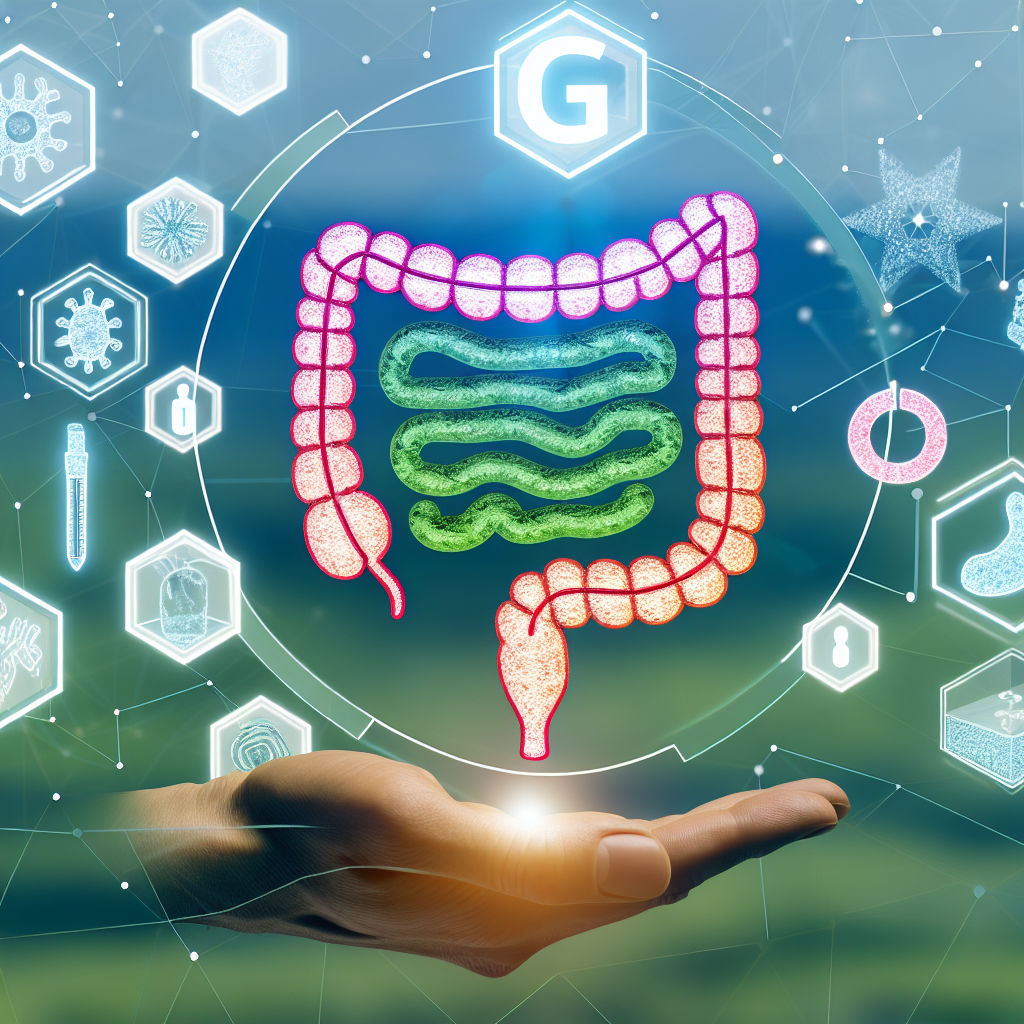
Decoding the Gut’s Role in Biochemical Longevity: The Future of Personalized Digestive Science
Introduction
In recent years, the spotlight has increasingly turned towards the gut as an integral component in maintaining overall health and promoting longevity. Often referred to as our “second brain,” the gut is home to trillions of microorganisms that play a crucial role in everything from digestion and nutrient absorption to immune function and mental health. Thanks to advancements in personalized medicine and nutritional science, we are beginning to unlock the secrets of the gut’s influence on biochemical longevity—essentially, the key to living a longer, healthier life.
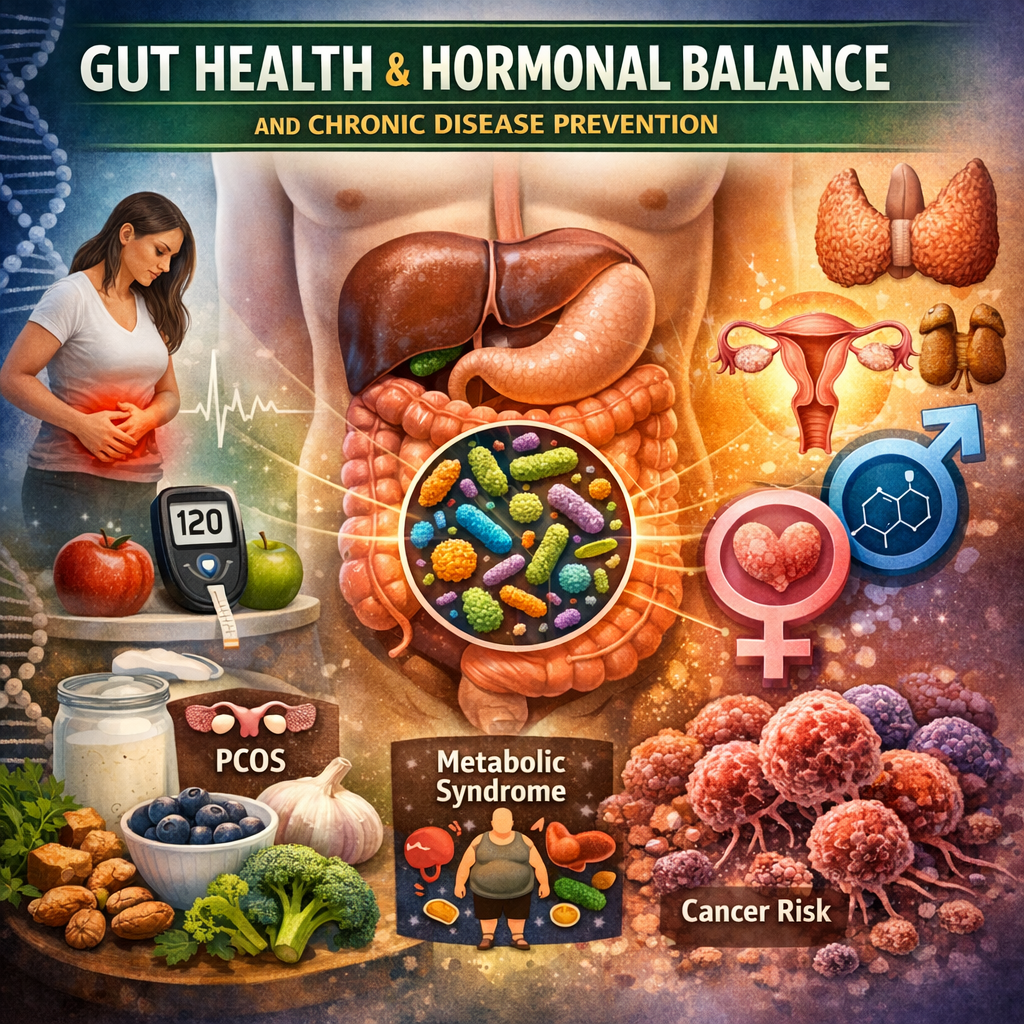
The gut microbiome, a diverse ecosystem of bacteria, viruses, fungi, and other microorganisms residing in our gastrointestinal tract, is pivotal in regulating not just digestive health but also our overall well-being. New research indicates that a balanced and diverse gut microbiome can act as a natural elixir for longevity, reducing the risk of chronic diseases such as diabetes, obesity, and even certain forms of cancer. Moreover, our gut health can impact our mental state, with studies showing a strong correlation between gut health and mood disorders like depression.
Personalized digestive science is at the forefront of this transformative era, leveraging insights from genomics, metabolomics, and microbiome research to tailor individualized plans aimed at optimizing gut health. Unlike one-size-fits-all solutions, this approach respects the unique microbial fingerprint of each person, taking into account factors such as diet, lifestyle, genetics, and environmental exposures. As a result, personalized digestive plans can offer more effective pathways to achieving not only better gut health but also improved biochemical longevity.
However, it is crucial to approach this emerging field with balanced optimism. While the potential is vast, the science is still evolving, and there are ethical considerations around data privacy and accessibility to these personalized interventions. Nonetheless, the future looks promising. Understanding the gut’s role in longevity may lead us to innovative, natural microbial therapies that align with the growing interest in holistic, nature-based healthcare solutions.
Features
Research into the gut’s role in overall health and longevity has resulted in numerous groundbreaking studies. For instance, a pivotal study published in [*Nature*](https://www.nature.com/articles/s41586-019-1230-7) revealed that the diversity of the gut microbiome is directly linked to aging and longevity. The researchers found that centenarians have unique microbial communities enriched with microbes capable of producing secondary bile acids, substances known for their anti-inflammatory and antibacterial properties.
Another notable study published in [*Cell Host & Microbe*](https://www.cell.com/cell-host-microbe/fulltext/S1931-3128(16)30234-0) explored how diet-induced changes in the gut microbiome can lead to alterations in lifespan. It highlighted the intricate relationship between dietary fibers and gut health, demonstrating that a diet rich in diverse fibers can increase microbial diversity, thereby promoting a longer, healthier life.
While personalized digestive science is a budding field, its potential is already clear. Companies like uBiome and Viome are pioneering microbiome testing kits that allow individuals to address their unique gut health needs. These tests analyze microbial DNA, providing insights into gut health and offering personalized dietary recommendations to improve microbial balance and, by extension, longevity.
Despite these promising advances, the science remains young, and further research is necessary to fine-tune personalized interventions. Ethical considerations around privacy and access are also essential, as not everyone can afford these specialized treatments. Thus, future developments must strive to be inclusive while ensuring data privacy.
Conclusion
The relationship between gut health and biochemical longevity offers an exciting frontier for personalized medicine. By understanding and optimizing our gut microbiome, we can embark on a journey towards a healthier and potentially longer life. While the science is still burgeoning, the integration of personalized digestive science into regular medical practice is an exciting possibility with transformative potential. As research continues to unfold, our grasp on the mechanisms of longevity will likely refine, paving the way for natural, personalized microbial therapies that align with the growing interest in holistic healthcare solutions.
References
1. [“Analyses of the Microbiome Data for Human Aging and Longevity”](https://www.nature.com/articles/s41586-019-1230-7) – *Nature*
2. [“Fiber Diversity and Gut Microbiome in Lifespan Modulation”](https://www.cell.com/cell-host-microbe/fulltext/S1931-3128(16)30234-0) – *Cell Host & Microbe*
Concise Summary
The gut, often called our “second brain,” is essential for maintaining health and promoting longevity, hosting a complex microbiome ecosystem crucial for digestion, nutrient absorption, immune function, and mental health. Advances in personalized digestive science, using genomics and metabolomics, are uncovering how unique microbial fingerprints can optimize health. Studies show a balanced microbiome may reduce chronic disease risks and enhance lifespan. Although promising, this science is young, requiring further research and careful attention to privacy and accessibility. Personalized digestive science aligns with increasing interest in holistic healthcare, offering exciting potential for enhancing biochemical longevity.