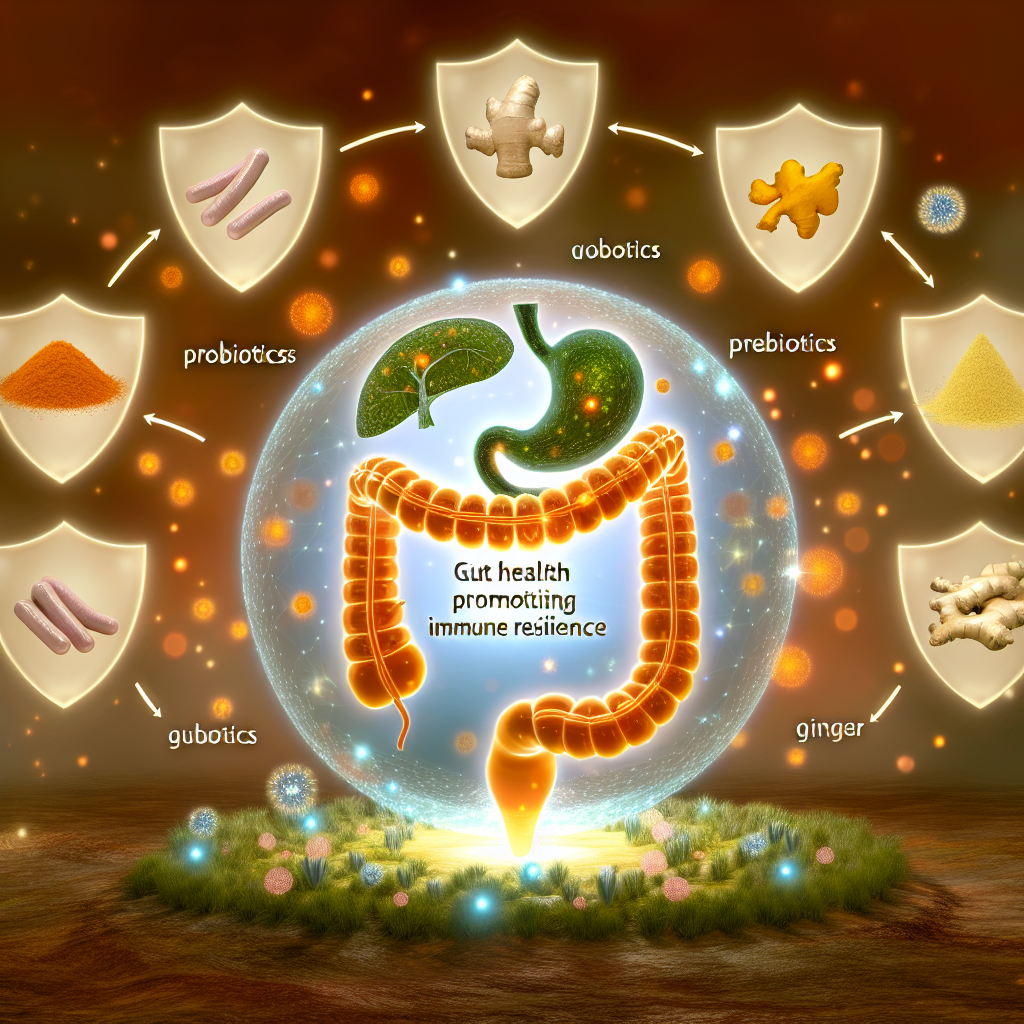
Decoding the Gut’s Role in Immune Resilience: The Next Frontier in Functional Gastroenterology
Introduction
The human **gut** is much more than a digestive organ; it is a complex and dynamic system with far-reaching effects, most notably on the **immune system**. Recent advances in **functional gastroenterology** have spotlighted the gut as a central player in modulating **immune resilience**. The gut is home to trillions of bacteria collectively known as the **gut microbiome**, which plays a critical role in maintaining health by influencing everything from digestion and metabolism to mood and mental well-being. However, one of the most profound roles of the gut is its influence on the immune system—a relationship that is becoming increasingly clear through scientific research.
Our **immune system** is a sophisticated defense mechanism that protects the body from harmful invaders such as bacteria, viruses, and toxins. An essential part of this system is the **gut-associated lymphoid tissue (GALT)**, which constitutes about 70% of the entire immune system. The gut microbiome interacts with these immune components, teaching them to differentiate between harmless and harmful microbes. This interaction is crucial in maintaining immune homeostasis and preventing overactive immune responses, like those seen in autoimmune disorders.
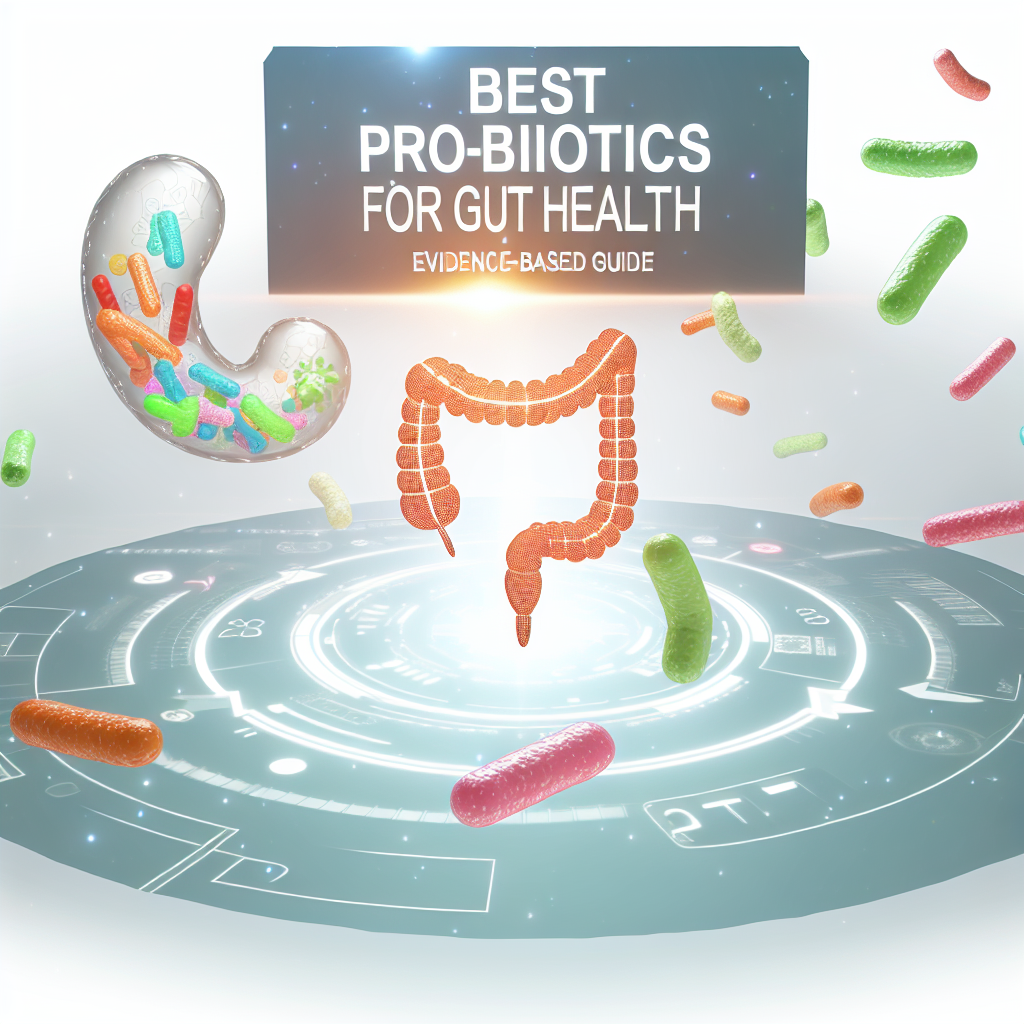
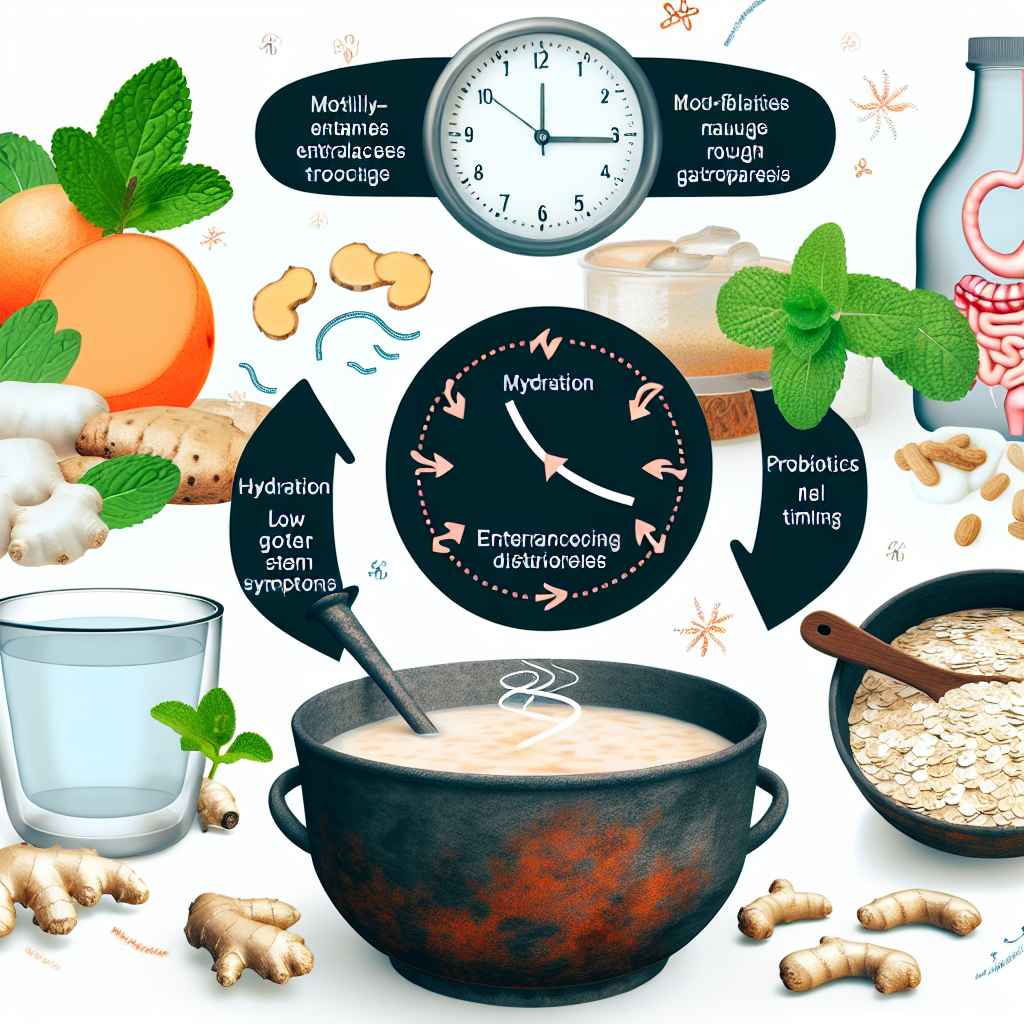
Understanding how the gut affects immune resilience opens new avenues for improving health through natural cures and **herbal treatments**. Functional gastroenterology aims to optimize the gut environment using dietary interventions, **probiotics**, **prebiotics**, and herbal remedies to bolster immune function and overall well-being. As awareness of these connections grows, individuals are increasingly seeking natural solutions to enhance gut health and, by extension, the immune system.
Features
A growing body of professional and medical studies has illuminated the intricate relationships between gut health and immune resilience. A pivotal study published in [*Nature Reviews Immunology*](https://www.nature.com/articles/nri2016) highlights the significance of the gut microbiome in educating and regulating the immune system. The researchers detail how certain beneficial strains of gut bacteria can enhance immune resilience by producing **short-chain fatty acids (SCFAs)** like **butyrate**, which can modulate inflammation and promote a healthy immune response.
**Probiotics** have become a focal point in research as a natural intervention to support gut health. A study in [*The Journal of Nutrition*](https://academic.oup.com/jn/article/141/11/2125/4743417) found that specific probiotic strains, such as **Lactobacillus** and **Bifidobacterium**, can enhance the gut barrier function, reduce gastrointestinal infections, and even influence systemic inflammation levels. This relationship exemplifies how finely tuned the communication is between gut bacteria and the immune system.
Similarly, **prebiotics**—dietary fibers that fuel beneficial bacteria—have been shown to support gut health by boosting beneficial bacterial growth and promoting the production of SCFAs. The synergistic use of prebiotics and probiotics, known as **synbiotics**, has been associated with enhanced immune response and improved gut health in a study published in [*Frontiers in Immunology*](https://www.frontiersin.org/articles/10.3389/fimmu.2020.01020/full).
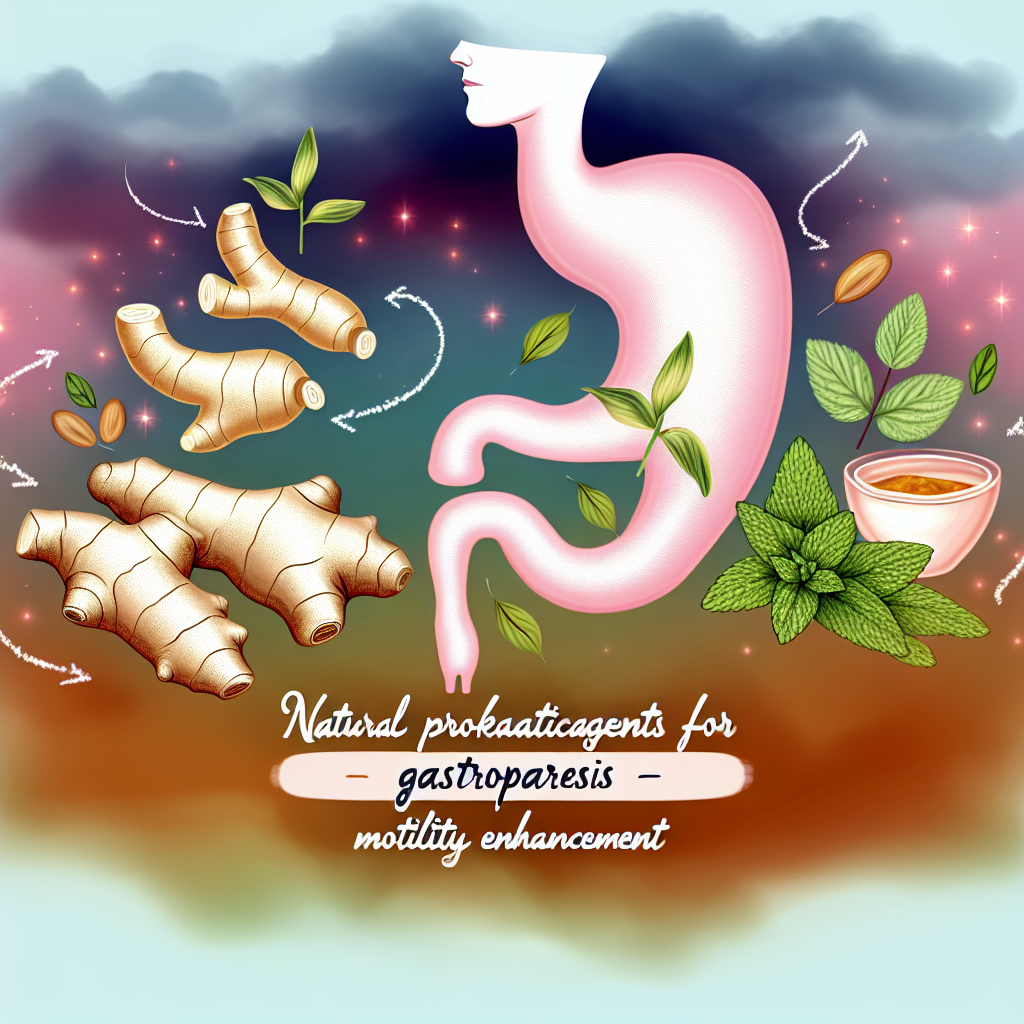
**Herbal treatments** are also gaining attention for their role in supporting gut health and immune resilience. A particularly robust study in [*Phytotherapy Research*](https://onlinelibrary.wiley.com/doi/10.1002/ptr.2778) examined the impact of **curcumin**, the active compound in **turmeric**, which exhibited potent anti-inflammatory properties that help maintain a healthy gut environment. Other herbs like **ginger**, **garlic**, and **echinacea** have similarly shown promise in supporting immune health by modulating gut microbiota and enhancing gut barrier function.
These studies collectively suggest that a holistic approach, which includes an optimal balance of gut microbiota, dietary adjustments, and herbal supplementation, can offer a naturally enhanced immune response, representing a new frontier in functional gastroenterology.
Conclusion
Decoding the gut’s role in immune resilience represents a significant leap forward in understanding the interconnectedness of the body’s systems. As research continues to unveil the complexities of the **gut-immune axis**, the emphasis on natural cures and **herbal treatments** becomes ever more relevant. By focusing on gut health through **probiotics**, **prebiotics**, dietary interventions, and herbal remedies, individuals can not only promote digestive wellness but also fortify their immune resilience. The interplay between gut and immune health offers promising potential for non-invasive, natural approaches to boosting overall health and preventing disease. As functional gastroenterology continues to evolve, the pursuit of gut health as a pathway to immune resilience underscores the profound wisdom embedded in the body’s inner ecosystems.
References
– [*Nature Reviews Immunology*: Gut microbiota: Intestinal immune tolerance](https://www.nature.com/articles/nri2016)
– [*The Journal of Nutrition*: Probiotics and their health benefits](https://academic.oup.com/jn/article/141/11/2125/4743417)
– [*Frontiers in Immunology*: Synbiotics for gut health](https://www.frontiersin.org/articles/10.3389/fimmu.2020.01020/full)
– [*Phytotherapy Research*: Curcumin and gut health](https://onlinelibrary.wiley.com/doi/10.1002/ptr.2778)
**Concise Summary:** The gut plays a crucial role in supporting the immune system, housing trillions of beneficial bacteria that aid in immune regulation and resilience. Advances in functional gastroenterology emphasize the importance of optimizing gut health through probiotics, prebiotics, and herbal treatments. These measures, supported by increasing scientific evidence, can enhance immune function and offer natural prevention strategies for various diseases. As the field evolves, understanding the gut-immune connection provides promising opportunities for improving overall health through non-invasive, natural methods.

Dominic E. is a passionate filmmaker navigating the exciting intersection of art and science. By day, he delves into the complexities of the human body as a full-time medical writer, meticulously translating intricate medical concepts into accessible and engaging narratives. By night, he explores the boundless realm of cinematic storytelling, crafting narratives that evoke emotion and challenge perspectives.
Film Student and Full-time Medical Writer for ContentVendor.com