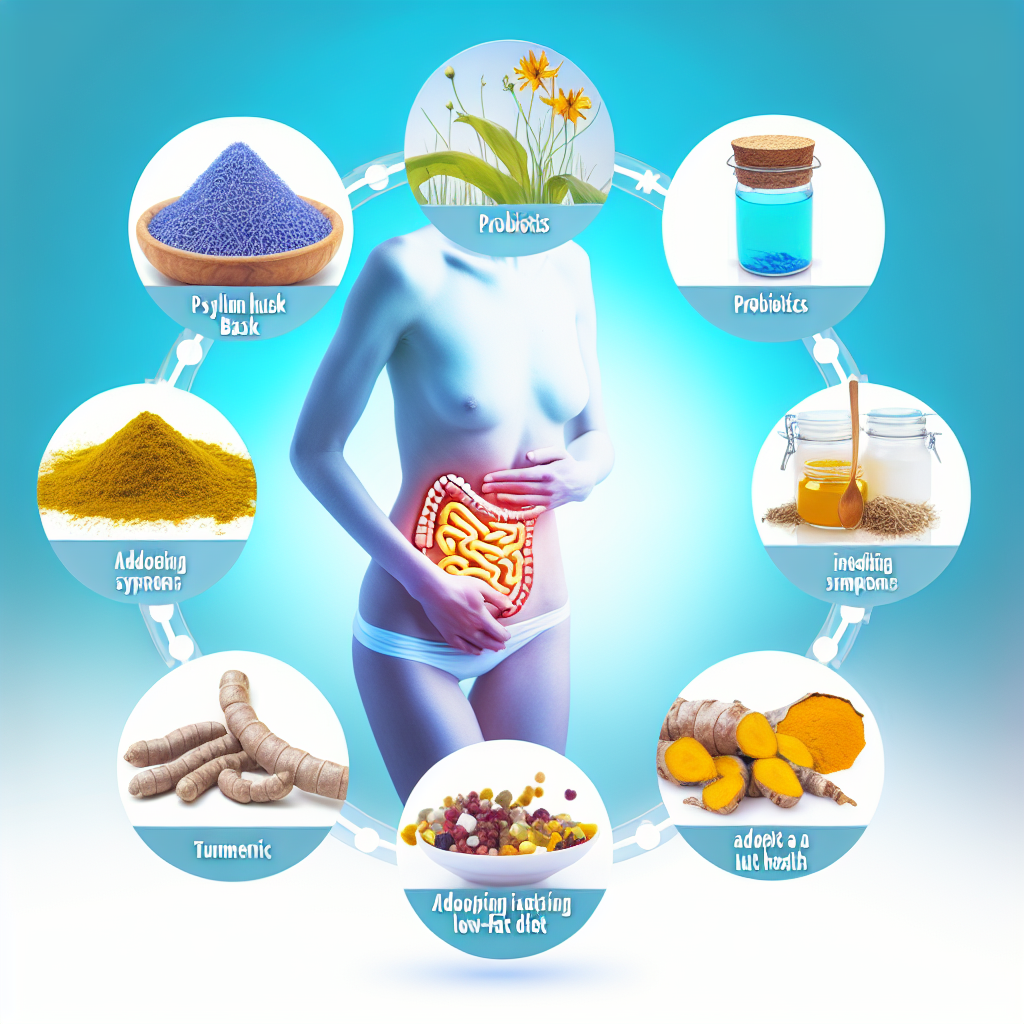
Demystifying Bile Acid Sequestrants: Natural Alternatives for Managing Bile Acid Diarrhea (BAD)
Introduction
Bile acid diarrhea (BAD), also known as bile acid malabsorption (BAM), is a frequently underdiagnosed gastrointestinal condition that disrupts digestive balance and nutrient absorption. Commonly misdiagnosed as irritable bowel syndrome (IBS), BAD is distinguished by symptoms such as chronic watery diarrhea, urgency, abdominal pain, bloating, and fecal incontinence. Unlike IBS, the root cause lies in excessive bile acids reaching the colon, prompting water secretion and speeding up bowel movements.
Conventional treatment relies on bile acid sequestrants (BAS) such as cholestyramine, colesevelam, or colestipol. These bind bile acids and reduce colonic irritation but may cause side effects such as constipation, nausea, and bloating.
As interest grows in holistic health, people are increasingly exploring natural remedies for BAD. Natural approaches often reduce symptoms without harsh side effects while supporting gut microbiota balance, reducing inflammation, and improving nutrient absorption.
This article explores the root mechanisms of BAD, outlines conventional treatments, and introduces natural and plant-based alternatives backed by research. These alternatives may improve symptoms whether BAD is a primary diagnosis or a byproduct of IBS, Crohn’s disease, or gallbladder removal (post-cholecystectomy).
Features: Natural Alternatives Supported by Science
1. Psyllium Husk (Plantago ovata)
Psyllium husk is a soluble fiber that functions similarly to pharmaceutical bile acid sequestrants by binding to excess bile acids in the colon. It forms a gel-like substance, slowing intestinal transit and improving stool consistency. A study in the journal Alimentary Pharmacology & Therapeutics (2010) reported significant symptom relief in patients using psyllium for BAD.
Additional benefits include regulating blood sugar levels and supporting cardiovascular health, making it a multi-functional option in gastrointestinal therapy.
2. Chlorella and Spirulina
Chlorella and spirulina are nutrient-dense algae known for their detoxifying and antioxidant effects. They may play a role in bile acid sequestration through their fiber content. According to a 2021 study published in Scientific Reports, chlorella modulated bile acid metabolism and improved gut flora in animal models with fatty liver disease.
These algae are rich in chlorophyll, which may help reduce colon inflammation—a key contributor to BAD symptoms—while supporting overall immune function.
3. Probiotics and Gut Microbiota Modulation
An imbalanced gut microbiome can heighten BAD symptoms. Introducing targeted probiotic strains like Lactobacillus rhamnosus GG and Bifidobacterium longum can support bile acid metabolism by activating bile salt hydrolase enzymes that help excrete bile acids more effectively.
A review in Gut Microbes (2015) explains that stronger microbial diversity is linked to more efficient bile acid regulation and gut health. Incorporating fermented foods such as kefir, sauerkraut, and yogurt, or using high-quality probiotic supplements, can harmonize the microbiota.
4. Curcumin (from Turmeric)
Curcumin, the active ingredient in turmeric, exerts anti-inflammatory and bile-regulating effects. According to a study in Clinical Gastroenterology and Hepatology (2012), curcumin influences bile acid synthesis by interacting with the FXR receptor, consequently affecting liver function and intestinal motility.
Supplementing with bioavailable curcumin or incorporating turmeric in daily meals can reduce inflammation and assist in modulating digestive bile flow.
5. Slippery Elm and Marshmallow Root
Slippery elm and marshmallow root are traditional herbal demulcents. While they don’t bind bile acids directly, these herbs coat the gut lining and may lessen irritation caused by bile acid accumulation in the colon.
Their mucilage-forming properties help to calm inflammation, normalize loose stools, and restore mucosal balance. Combined with other therapies, they create a more comfortable internal environment for healing.
6. Dietary Modifications
Diet plays a vital role in managing BAD. A low-fat diet helps minimize bile acid secretion, while increased intake of soluble fiber—from foods like oats, legumes, flaxseed, and barley—can naturally bind to excess bile acids in the gut.
Avoiding known gut irritants like caffeine, alcohol, fried foods, spicy dishes, and artificial sweeteners can significantly reduce flare-ups. Additionally, patients with overlapping IBS symptoms may benefit from a low-FODMAP diet with serum-verified fiber supplementation to minimize gas, bloating, and diarrhea.
Conclusion
Bile acid diarrhea affects many yet remains underreported due to symptom similarity with IBS and other digestive issues. While traditional bile acid sequestrants remain viable, more individuals are embracing natural alternatives for managing BAD effectively.
Evidence supports the utility of psyllium fiber, algae like chlorella, probiotics, curcumin, and soothing herbs. These not only target the root of BAD but also improve bowel regularity, reduce inflammation, and nurture a healthier gut microbiome.
Before initiating any new protocol, consider working with a healthcare practitioner specialized in integrative gastroenterology to develop a symptom-specific, safe, and effective plan.
Concise Summary
Bile acid diarrhea (BAD) is a digestive condition marked by excess bile acids in the colon, mimicking IBS symptoms. While conventional drugs like cholestyramine are effective, they may cause side effects. Natural alternatives—such as psyllium husk, turmeric, probiotics, chlorella, and dietary changes—can help manage BAD gently and effectively. These treatments improve gut flora, reduce inflammation, bind excess bile acids, and restore bowel function. With guidance from an integrative practitioner, individuals can support digestive health naturally and sustainably.
References
– Wedlake et al., 2009 – Alimentary Pharmacology & Therapeutics
– Camilleri, M., 2015 – Gut and Liver
– Korpela et al., 2015 – Gut Microbes
– Chopra et al., 2013 – Clinical Gastroenterology and Hepatology
– Anderson et al., 2000 – The American Journal of Clinical Nutrition
– Gao et al., 2021 – Scientific Reports
For more gut health insights and natural remedy guidance, visit our resource center:
www.gutnow.com

Dominic E. is a passionate filmmaker navigating the exciting intersection of art and science. By day, he delves into the complexities of the human body as a full-time medical writer, meticulously translating intricate medical concepts into accessible and engaging narratives. By night, he explores the boundless realm of cinematic storytelling, crafting narratives that evoke emotion and challenge perspectives.
Film Student and Full-time Medical Writer for ContentVendor.com