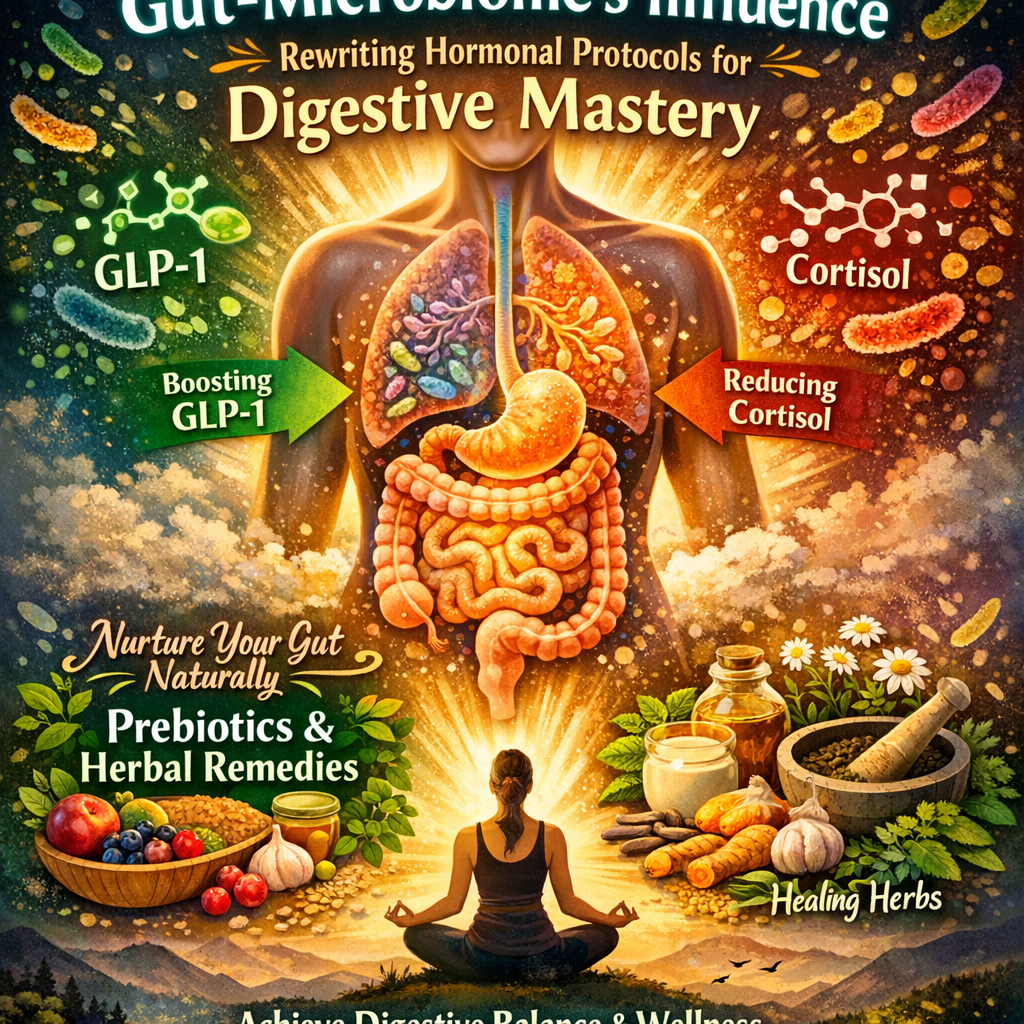
Gut-Microbiome’s Influence Rewriting Hormonal Protocols for Digestive Mastery
Introduction
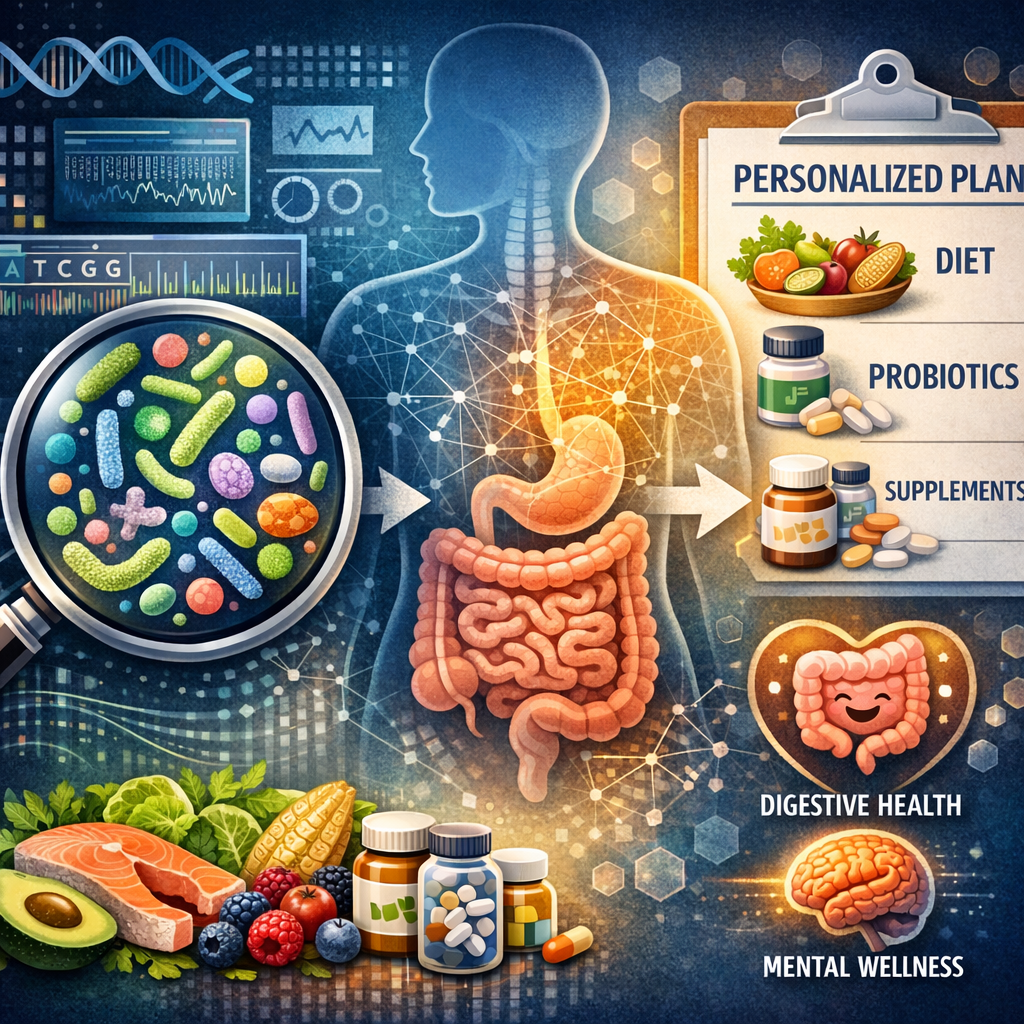
In recent years, the gut microbiome has emerged as a powerful player in the quest for optimal health, particularly concerning digestive mastery. This complex community of trillions of microorganisms inhabiting our gastrointestinal tract has far-reaching effects on our body’s systems, including hormonal balance. As researchers delve deeper into the gut’s influence, they uncover fascinating insights about how the microbiome communicates with the endocrine system to regulate digestion.
Our understanding of digestion is transforming from a simplistic view to a multifaceted perspective that involves the microbiome’s impact on hormonal pathways. Traditionally, digestive issues were treated symptomatically, often overlooking the root causes tied to gut health. However, the gut microbiota’s capacity to produce, transform, and affect hormones unveils new avenues for natural cures and herbal treatments aimed at restoring balance.
Gut hormones, such as ghrelin and cholecystokinin, play critical roles in controlling hunger, satiety, and digestion speed. What’s astonishing is how these hormones, influenced by the microbiome, can alter digestive functions, weight regulation, and even mood. For instance, certain gut bacteria strains encourage the production of short-chain fatty acids (SCFAs), which have been shown to enhance the secretion of hormones like GLP-1 – a key player in slowing gastric emptying and promoting a sense of fullness.
Moreover, the interplay between gut bacteria and stress hormones like cortisol underscores the importance of maintaining a healthy microbiome for emotional and digestive harmony. Stress not only disrupts digestion but also alters microbial balance, creating a vicious cycle of discomfort. Thus, a well-balanced microbiome becomes paramount, offering a protective buffer against such disruptions.
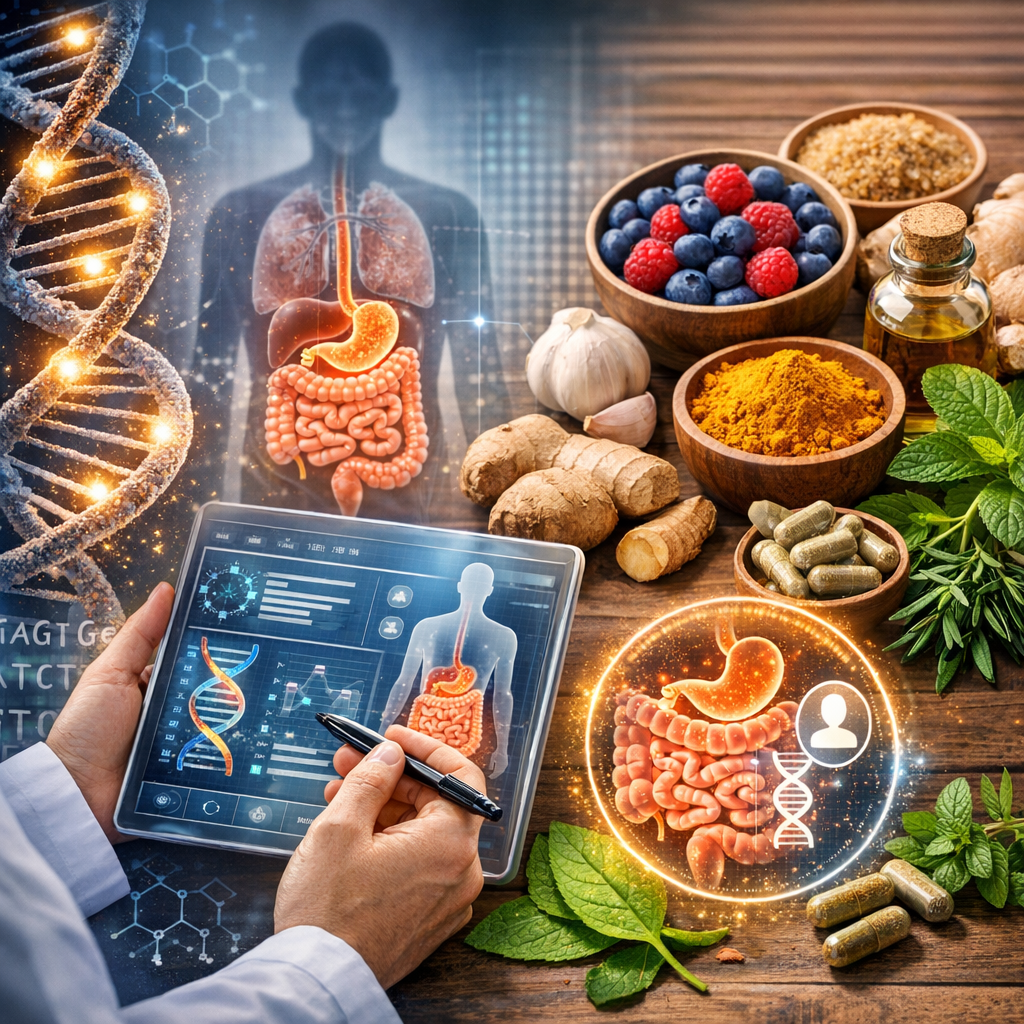
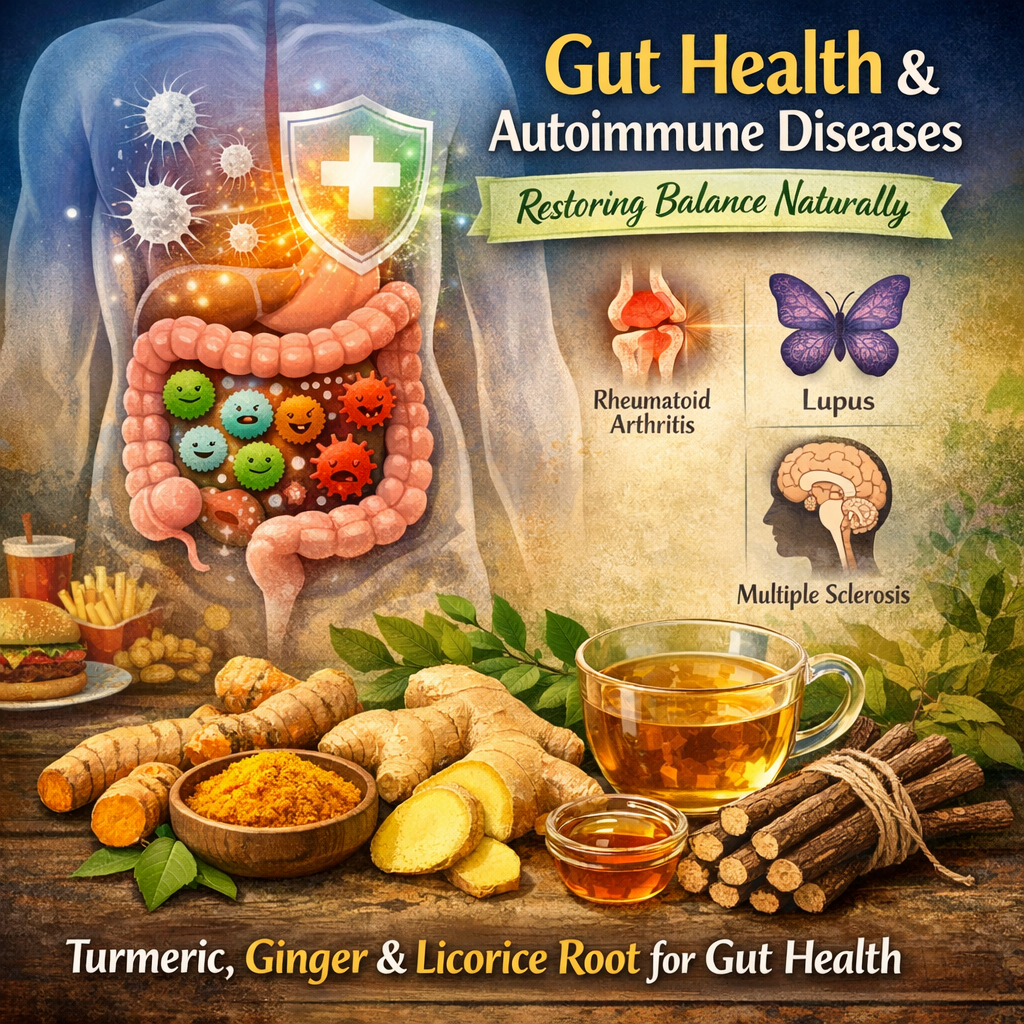
Natural strategies and herbal treatments that foster gut health are gaining momentum. Fermented foods, fiber-rich diets, and targeted herbal remedies like ginger, peppermint, and turmeric have shown promise in supporting a thriving microbiome. Essentially, nurturing your gut flora through these modalities helps achieve not only digestive mastery but also holistic wellness.
Features
Scientific studies are paving the way in understanding how the gut microbiome influences hormonal functions critical for digestion. A landmark study published in [Nature Reviews Endocrinology](https://www.nature.com/articles/s41574-018-0002-1) highlighted how gut bacteria manipulate energy extraction and fat storage by modulating the gut-brain axis, a two-way communication superhighway. This interaction represents a cutting-edge focus in health sciences, emphasizing the microbiome’s central role in energy homeostasis and weight management.
Research underscores the microbiome’s effect on the incretin system, specifically GLP-1 and PYY hormones, as demonstrated in a study by researchers at the [University of Copenhagen](https://www.ncbi.nlm.nih.gov/pmc/articles/PMC7070919/). Their findings revealed that certain prebiotics can selectively enhance the production of these hormones, improving insulin secretion and sensitivity, vital for combating metabolic disorders and enhancing digestive efficiency.
Another study conducted by [Pennsylvania State University](https://journals.sagepub.com/doi/full/10.1177/1756286420911413) explored the benefits of probiotic supplementation in regulating cortisol levels, a stress-induced hormone that can wreak havoc on digestion. The research confirmed that probiotics not only modulate gut flora but also assist in stress management by lowering cortisol, thus breaking the stress-digestive disturbance cycle.
Additionally, herbal treatments like ginger have been studied for their protective effects on the gastrointestinal tract. A study featured in the [Journal of Food Science](https://onlinelibrary.wiley.com/doi/abs/10.1111/1750-3841.13361) validated ginger’s efficacy in improving gastric emptying and reducing nausea, by interacting with serotonin receptors and providing anti-inflammatory benefits.
This integrative approach to gut health empowers individuals with knowledge and tools necessary to rewrite their hormonal protocols through mindful diet choices and natural supplements. It promises a future where digestive mastery is achieved by harnessing the microbiome’s potential as a pillar of health.
Conclusion
The symbiosis between the gut microbiome and hormonal balance opens a frontier in digestive health, emphasizing prevention and treatment through natural means. By understanding and nurturing this complex system, individuals can attain heightened digestive mastery, improve their quality of life, and prevent chronic conditions. Embracing scientifically-backed natural cures and herbal treatments allows for a personalized approach, offering both immediate relief and long-lasting health benefits. As continuing research unveils more of the microbiome’s secrets, the path to digestive wellness becomes clearer, more sustainable, and intrinsically tied to the simplest elements of nature.
Concise Summary
The gut microbiome is transforming digestive health by influencing hormonal pathways. This article delves into the microbiome’s impact on hormones like ghrelin, cholecystokinin, GLP-1, and cortisol, affecting hunger, digestion speed, emotional balance, and metabolic disorders. Studies emphasize the microbiome’s essential role in energy homeostasis and stress management. Natural treatments, fermented foods, and herbs like ginger are suggested to support gut health and hormonal regulation. Such an integrative approach empowers individuals towards optimal gut health and holistic wellness through personalized, scientifically-backed natural solutions, promising a future of improved digestive mastery and quality of life.