Microbiome Mapping: The New Frontier in Precision Gut Health Strategies
Introduction
In recent years, the concept of gut health has become a core aspect of overall wellbeing. At the center of this shift is microbiome mapping, a cutting-edge tool for understanding and optimizing our gut ecosystems. The human gut hosts trillions of microorganisms known as the microbiome, vital for functions like food digestion, vitamin synthesis, and pathogen protection. Research has linked gut health to various physical and mental health aspects, including immune function and mood regulation.
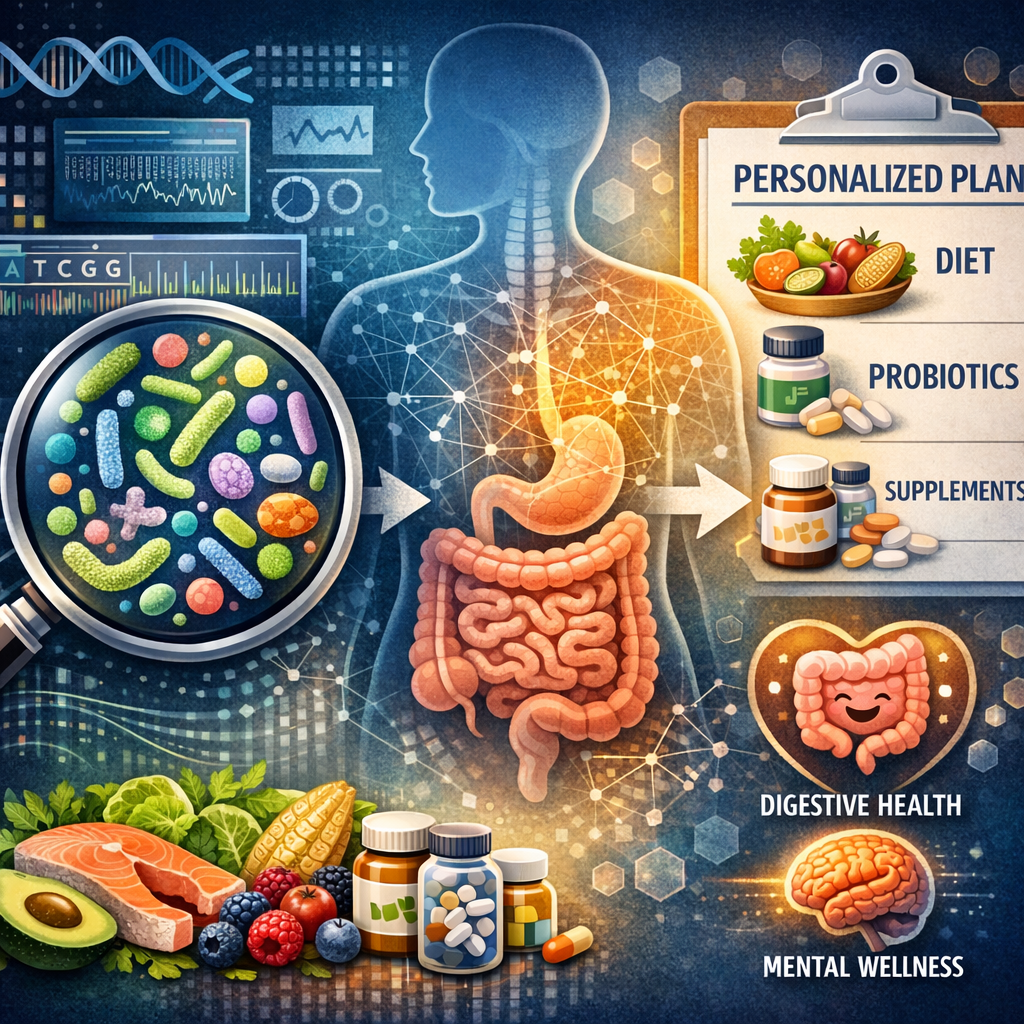
Understanding a person’s microbiome can offer deep insights into their unique health profile. Each individual’s microbiome is unique, influenced by genetics, diet, lifestyle, and the environment. Microbiome mapping uses advanced sequencing technologies to record the microbial species in a person’s gut. This data helps identify imbalances that may contribute to health problems or hinder optimal gut function.
The implications of microbiome mapping are substantial. As healthcare moves towards precision medicine, this technology offers personalized strategies for improving gut health. By tailoring interventions like diet changes, prebiotics, probiotics, and herbal supplements to individual needs, we can more effectively address conditions like irritable bowel syndrome (IBS), inflammatory bowel disease (IBD), and even mental health disorders such as anxiety and depression.
In a time when consumers seek natural remedies and personalized care, microbiome mapping is a promising tool to enhance gut health holistically and individually. As we explore further into gut health optimization, microbiome mapping could revolutionize the prevention and treatment of various health conditions.
Features
The field of microbiome research is expanding swiftly, with studies highlighting the significance of gut health in disease prevention and management. A notable study in [*Nature*](https://www.nature.com/) emphasized using metagenomic sequencing to analyze the gut microbiome, showcasing that each person’s microbiota is unique, like a fingerprint. This individuality shows the need for personalized health strategies.
Recent research in [*Cell*](https://www.cell.com/) demonstrated microbiome mapping’s potential. Researchers analyzed the gut microbiomes of individuals with IBS, finding specific bacterial signatures consistently linked to IBS symptoms, suggesting microbiome-targeted therapies could offer relief.
Additionally, the [Journal of Clinical Gastroenterology](https://journals.lww.com/jcge) assessed microbiome-based interventions in managing IBD, revealing that tailored microbial therapies could address root causes by restoring gut flora balance, offering long-term benefits.
Research is also exploring the gut-brain axis, linking gut health to mental wellbeing. A study in [*Psychosomatic Medicine*](https://journals.lww.com/psychosomaticmedicine) described how the microbiome influences neurotransmitters like serotonin, crucial for mood regulation. Personalized microbiome interventions could treat conditions like depression and anxiety by addressing microbiota imbalances.
Current microbiome mapping technologies can identify beneficial strains in the gut that dietary adjustments or specific probiotics can enhance. As more microbiome profiles are mapped, the understanding of the connections between diet, lifestyle, and gut microbiota grows, allowing for precise and effective gut health strategies.
Conclusion
Microbiome mapping is a revolutionary approach to understanding and improving gut health. By providing a detailed picture of an individual’s gut microbiome, it allows for personalized interventions that can optimize gut function and overall health. This precision strategy not only offers potential improvements in digestive disorders but also promises holistic health benefits across both physical and mental domains. As research and technology continue to advance, integrating microbiome mapping into daily health practices is likely to become more prevalent. This shifts the paradigm from one-size-fits-all treatments to bespoke healthcare strategies, unlocking new potential for natural cures and herbal treatments tailored to personal microbiome needs. With continued innovation, microbiome mapping stands poised to become an indispensable tool in the pursuit of optimal health and wellness.
Concise Summary
Microbiome mapping is at the forefront of precision gut health strategies, providing insights into each individual’s unique microbiome. By using advanced sequencing technologies to catalog gut microorganisms, this approach can identify imbalances that impact health. Personalized treatments, like dietary changes and probiotics, tailored to the microbiome, have shown potential in addressing conditions such as IBS, IBD, and mental health disorders like anxiety and depression. As healthcare trends towards precision medicine, microbiome mapping offers promising tools for enhancing gut health holistically and individually, paving the way for bespoke healthcare and natural remedies.