MTHFR and Gut Health – Methylation Support for Digestive Healing
Introduction
In recent years, there’s been a surge of interest in how genetic mutations impact digestive health. One of the most examined genetic factors is the MTHFR mutation, short for methylenetetrahydrofolate reductase. This gene plays a key role in the body’s methylation process—a complex biochemical function involved in detoxification, DNA repair, neurotransmitter production, and inflammation regulation.
However, the influence of methylation extends far beyond cellular functions. Growing clinical evidence and anecdotal experience point to a strong connection between MTHFR mutations and gut health.
People with common variants of the MTHFR gene often struggle to convert folate into its usable form and maintain adequate levels of key B vitamins like methylated folate (B9), B6, and B12. Without these, methylation pathways function poorly—impacting enzyme activity, liver detox pathways, and the vital gut-brain axis. This dysfunction can lead to or worsen conditions like leaky gut syndrome, IBS, gut dysbiosis, and chronic inflammation.
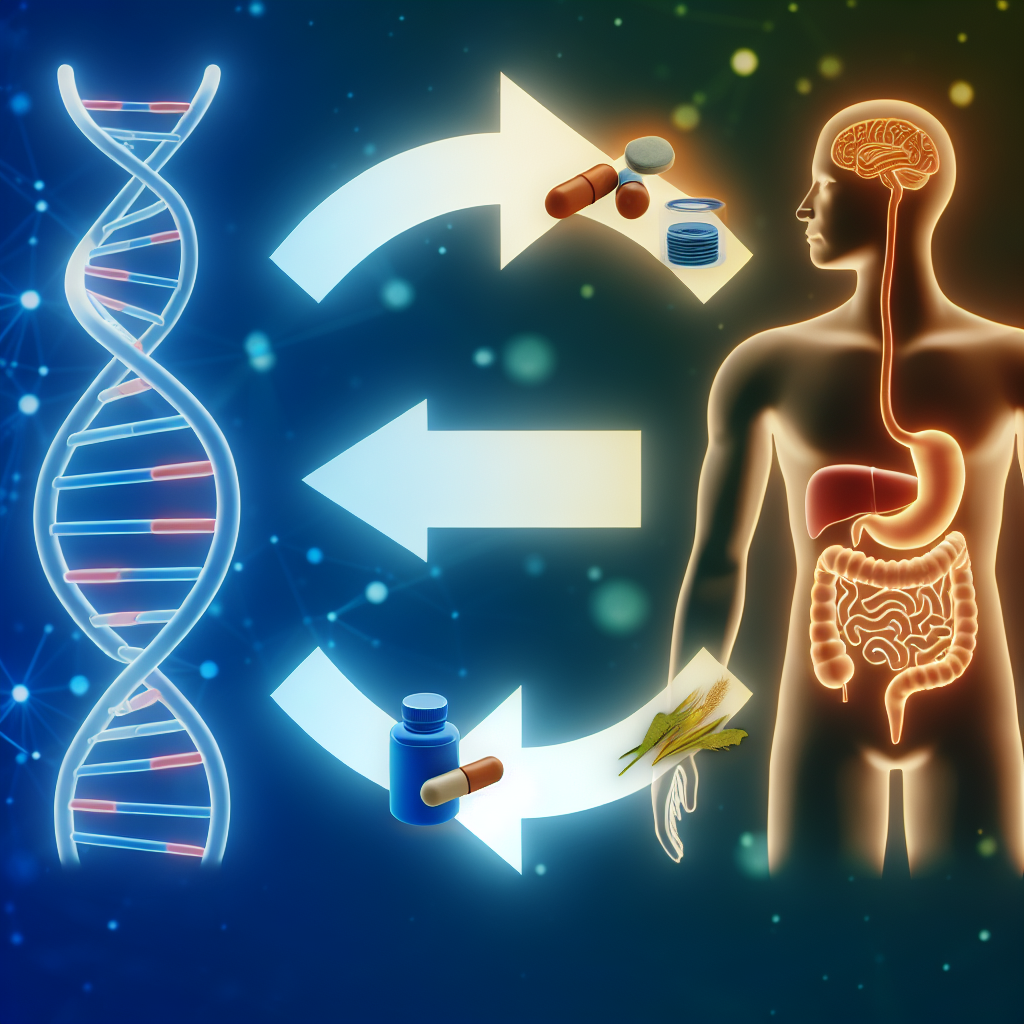
Complicating matters, the gut microbiome plays a reciprocal role in supporting methylation. Beneficial bacteria synthesize B vitamins, regulate gut permeability, and aid overall inflammation control. So when methylation falters, the gut suffers—and when the gut is unbalanced, methylation decline worsens. This bi-directional relationship is a delicate cycle that can perpetuate poor health if not addressed holistically.
Understanding the interplay between MTHFR and digestion highlights opportunities for meaningful support. Natural approaches like methylated B vitamin supplements, herbs, fermented foods, and detox nutrients provide practical tools to initiate digestive repair. These strategies not only assist individuals with known MTHFR mutations but also support anyone with recurring gastrointestinal challenges.
If you’ve tested positive for MTHFR or struggle with unexplained digestive issues, understanding this link could provide the missing puzzle piece to lasting healing. The methylation-gut axis represents a vital pathway towards personalized, functional healing.
Medical and Professional Insights
Several clinical studies have examined how MTHFR mutations contribute to gastrointestinal dysfunction. The two most common variants, C677T and A1298C, can reduce the MTHFR enzyme’s effectiveness by up to 70% in homozygous individuals. This dramatically limits the body’s capacity to convert folic acid into L-methylfolate, the active form needed to power metabolic and detoxification pathways important for digestive wellness.
A 2020 study published in the journal Nutrients explains that impaired methylation can lead to low-grade systemic inflammation, reduced glutathione levels (the body’s master antioxidant), and an increase in oxidative stress in the GI tract. These changes significantly increase the likelihood of gut flora imbalance (Nutrients Journal, 2020).
Methylation also regulates the production of SAMe (S-adenosylmethionine), a compound critical for liver detoxification and neurotransmitter synthesis—including serotonin, 90% of which is produced in the gut. Therefore, impaired methylation may not only affect digestion directly but also alter mood, contributing to irritable bowel syndrome (IBS) and other gut-brain symptoms.
The microbiome’s role is particularly compelling. Species like Bifidobacteria and Lactobacillus assist in producing folate and vitamin B12, which directly fuel the methylation cycle. Disruption of these good bacteria can therefore worsen methylation defects. Studies suggest that supplementing with probiotic strains can help bridge that gap and restore synergy.
Functional medicine practitioners often address detoxification bottlenecks caused by methylation imbalances. Reduced MTHFR activity can lead to histamine intolerance and ammonia build-up, manifesting as digestive issues like bloating, nausea, and inflammation. Nutrients like L-methylfolate, methylcobalamin (B12), and pyridoxal-5-phosphate (B6) are effective at guiding methylation function and relieving symptoms (NCBI – MTHFR Mutation and Chronic Disease).
Additional support comes from herbal medicine. Liver-supportive adaptogens such as milk thistle, dandelion root, and schizandra play a key role in biotransformation and detoxification. When combined with nutrients like betaine (trimethylglycine), glycine, and magnesium, these approaches improve homocysteine recycling and promote digestive resilience.
As we better understand the connection between methylation and gut health, one thing is clear: a personalized, genomically informed approach can transform gut wellness. Incorporating genetic testing for MTHFR SNPs and aligning diet and supplement support accordingly could help relieve chronic GI conditions, while improving energy, mood, and metabolic health.
Conclusion
MTHFR mutations and impaired methylation significantly influence gut integrity, nutrient assimilation, detox pathways, and digestive inflammation. From weakening the gut lining to dampening neurotransmitter production, the ripple effects of poor methylation put the gastrointestinal system at risk for dysfunction.
The good news? There are powerful, natural tools to support both methylation and gut healing. Using methylated B vitamins, inflammation-regulating probiotics, detox-enhancing foods, and liver-supportive botanicals can restore system balance and improve outcomes for a wide range of digestive disorders. With advances in testing and genomic awareness, individuals can now take advantage of this information to create tailored, effective healing plans.
MTHFR awareness goes far beyond genetics—it equips individuals with a clear path toward optimizing gut health and achieving long-lasting wellness.
References
1. Nutrients Journal, 2020 – “Methylation, Oxidative Stress, and Chronic Inflammation”
2. NCBI – MTHFR Genetic Mutation and Chronic Disease
3. Frontiers in Microbiology – Folate Production by Probiotic Bacteria
4. Journal of Nutritional Biochemistry – Role of B Vitamins in Gut-Brain Axis
5. The Institute for Functional Medicine – Methylation and Detoxification Toolkit
Concise Summary (100 words)
This article explores the connection between the MTHFR genetic mutation and digestive health, focusing on how impaired methylation disrupts detoxification, enzyme activity, and gut-brain communication. Individuals with MTHFR variants often struggle with folate metabolism, leading to chronic inflammation, leaky gut, and IBS. The gut microbiome also influences methylation, creating a cycle of dysfunction. Research supports interventions like methylated B vitamins, probiotics, and liver-supportive herbs to restore balance. Recognizing the role of MTHFR in digestive disorders presents a powerful opportunity for personalized healing through integrative nutrition, supplements, and genomic awareness.

Dominic E. is a passionate filmmaker navigating the exciting intersection of art and science. By day, he delves into the complexities of the human body as a full-time medical writer, meticulously translating intricate medical concepts into accessible and engaging narratives. By night, he explores the boundless realm of cinematic storytelling, crafting narratives that evoke emotion and challenge perspectives.
Film Student and Full-time Medical Writer for ContentVendor.com