Natural Digestive Enzyme Deficiency Treatment – Pancreatic Support
Introduction
Digestive enzyme deficiency is a frequently overlooked yet significant health concern that can negatively affect gut health and prevent proper absorption of nutrients. The pancreas produces critical digestive enzymes, including amylase, lipase, and protease—essential for digesting carbohydrates, fats, and proteins respectively. When the pancreas fails to produce enough of these enzymes, this can lead to a condition called exocrine pancreatic insufficiency (EPI). Symptoms of EPI may include bloating, gas, indigestion, undigested food in stools, and eventual malnutrition.
Subclinical deficiencies—those that don’t show up on standard diagnostic tests—are becoming increasingly common. Causes include chronic stress, excessive alcohol use, aging, a poor diet high in processed foods, and overuse of antibiotics. These factors can erode the body’s ability to produce sufficient natural digestive enzymes. Growing interest is seen in **natural and holistic treatments** to counteract enzyme deficiencies by supporting optimal pancreatic function.
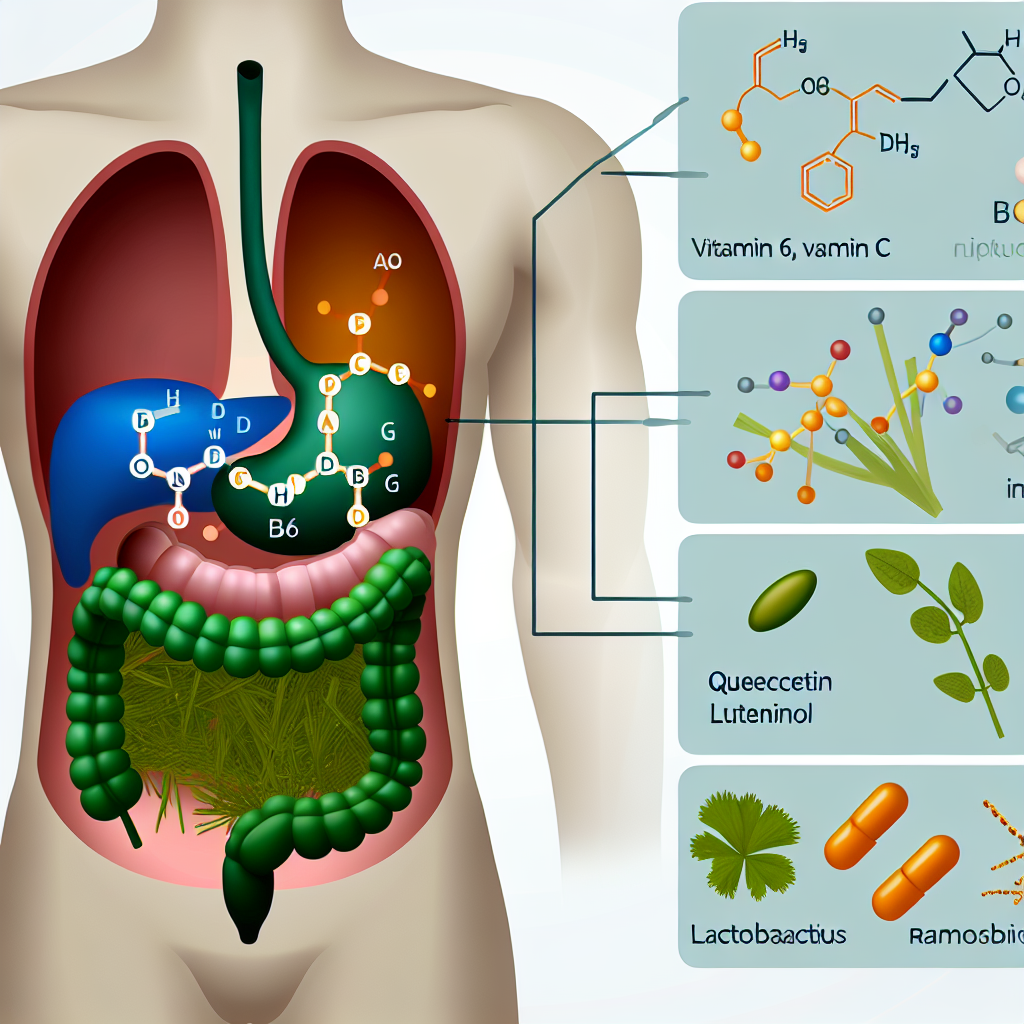
Natural solutions promote digestive recovery through a combination of enzyme-rich foods, herbal supplements, probiotics, and lifestyle modifications. Foods such as pineapple (bromelain) and papaya (papain) contain naturally occurring enzymes that help digest proteins. Herbs like ginger and turmeric aid in stimulating bile flow and enzyme production, both of which support overall digestion and reduce gastrointestinal inflammation.
Additionally, practicing stress reduction techniques—such as yoga, breathwork, and mindful eating—enhances vagus nerve activation, a key regulator of the parasympathetic nervous system, which is directly involved in digestive processes. Proper vagus nerve function has been linked to improved enzyme secretion and gastrointestinal motility.
As our understanding of the gut-pancreas axis deepens, natural treatments offer increasingly credible alternatives or adjuncts to standard therapies such as pharmaceutical pancreatic enzyme replacement therapy (PERT). For those with mild symptoms or those seeking preventative approaches, these natural options may hold potential for supporting long-term gut and pancreatic health.
Features and Supporting Research
Scientific studies are increasingly validating the efficacy of natural treatments for digestive enzyme deficiency.
A 2019 study published in the journal Nutrients highlighted the benefits of bromelain and papain—enzymes derived from pineapple and papaya respectively—for their anti-inflammatory and proteolytic roles in digestion. These compounds not only improve protein breakdown but also soothe inflammation in the gastrointestinal tract, aiding overall pancreatic function. [Read Full Study](https://www.ncbi.nlm.nih.gov/pmc/articles/PMC6520970/)
Traditional herbal medicine backs the use of bitter herbs such as gentian root, dandelion, and artichoke leaf—recognized for stimulating pancreatic secretions and bile flow. A 2021 review in Frontiers in Pharmacology reported that these herbs activate G-protein-coupled receptors (GPCRs) in the digestive tract, leading to increased enzyme secretion and improved nutrient assimilation. [Explore the Review](https://www.frontiersin.org/articles/10.3389/fphar.2021.663315/full)
Further, turmeric—specifically its active compound curcumin—has demonstrated significant potential in protecting pancreatic cells. A 2020 animal study in Phytotherapy Research found that curcumin supplementation preserved pancreatic acinar tissue and boosted enzyme output under inflammatory conditions resembling pancreatitis, underscoring its application for managing enzyme depletion. [Access the Study](https://onlinelibrary.wiley.com/doi/10.1002/ptr.6574)
Probiotics are another powerful digestive aid. A 2015 study in the World Journal of Gastroenterology highlighted that strains such as Lactobacillus and Bifidobacterium assist in breaking down food particles, support gut flora balance, and reduce the burden on the pancreas to secrete extra enzymes. [Read the Probiotic Research](https://www.ncbi.nlm.nih.gov/pmc/articles/PMC4290017/)
Emerging data also suggest that intermittent fasting and time-restricted eating offer strategic windows for pancreatic recuperation by minimizing continuous stimulation for enzyme production. A 2022 study published in Cell Metabolism showed that intermittent eating promotes favorable hormonal changes and increases pancreatic efficiency. This may translate to improved longevity and metabolic health. [View the Study](https://www.cell.com/cell-metabolism/fulltext/S1550-4131(22)00313-3)
Together, these research studies support a comprehensive approach to improving enzyme function through a combination of therapeutic nutrition, medicinal herbs, gut microbiome support, and mindful lifestyle shifts.
Conclusion
Recovering from or preventing digestive enzyme deficiency requires a personalized, holistic strategy that targets both symptoms and root causes. Incorporating foods rich in natural enzymes, medicinal herbs such as curcumin and ginger, and effective stress-reducing practices not only supports the pancreas, but also enhances the entire gut environment.
While some individuals with severe cases of EPI may still require prescription enzyme therapy, natural and preventative measures offer a viable and often effective way to boost enzymatic output and digestive comfort for the majority facing mild to moderate symptoms.
Always consult a qualified healthcare provider before making major changes to your health regimen, particularly if you suspect pancreatic insufficiency or have an existing digestive disorder.
References
– Bromelain and Papain Study (Nutrients Journal)
– Bitter Herbs and Pancreatic Support (Frontiers in Pharmacology)
– Turmeric and Curcumin for Pancreatic Function (Phytotherapy Research)
– Probiotics and Enzyme Breakdown (World Journal of Gastroenterology)
– Fasting and Pancreatic Resilience (Cell Metabolism)
Concise Summary
Digestive enzyme deficiency, often due to stress, aging, or poor diet, can cause symptoms like bloating and malabsorption. Natural remedies—including enzyme-rich foods (pineapple, papaya), herbal supplements (turmeric, ginger), probiotics, and fasting—can support pancreatic function and enzyme production. Scientific studies back the benefits of these holistic methods, showing improved digestion and reduced inflammation. While some may still require pharmaceutical treatments like PERT, natural approaches offer vital support for mild cases or daily digestive wellness. Always consult a healthcare provider for personalized advice.

Dominic E. is a passionate filmmaker navigating the exciting intersection of art and science. By day, he delves into the complexities of the human body as a full-time medical writer, meticulously translating intricate medical concepts into accessible and engaging narratives. By night, he explores the boundless realm of cinematic storytelling, crafting narratives that evoke emotion and challenge perspectives.
Film Student and Full-time Medical Writer for ContentVendor.com