Pancreatic Enzyme Sparing Diet: Nutritional Strategies to Reduce Demand on a Compromised Exocrine Pancreas
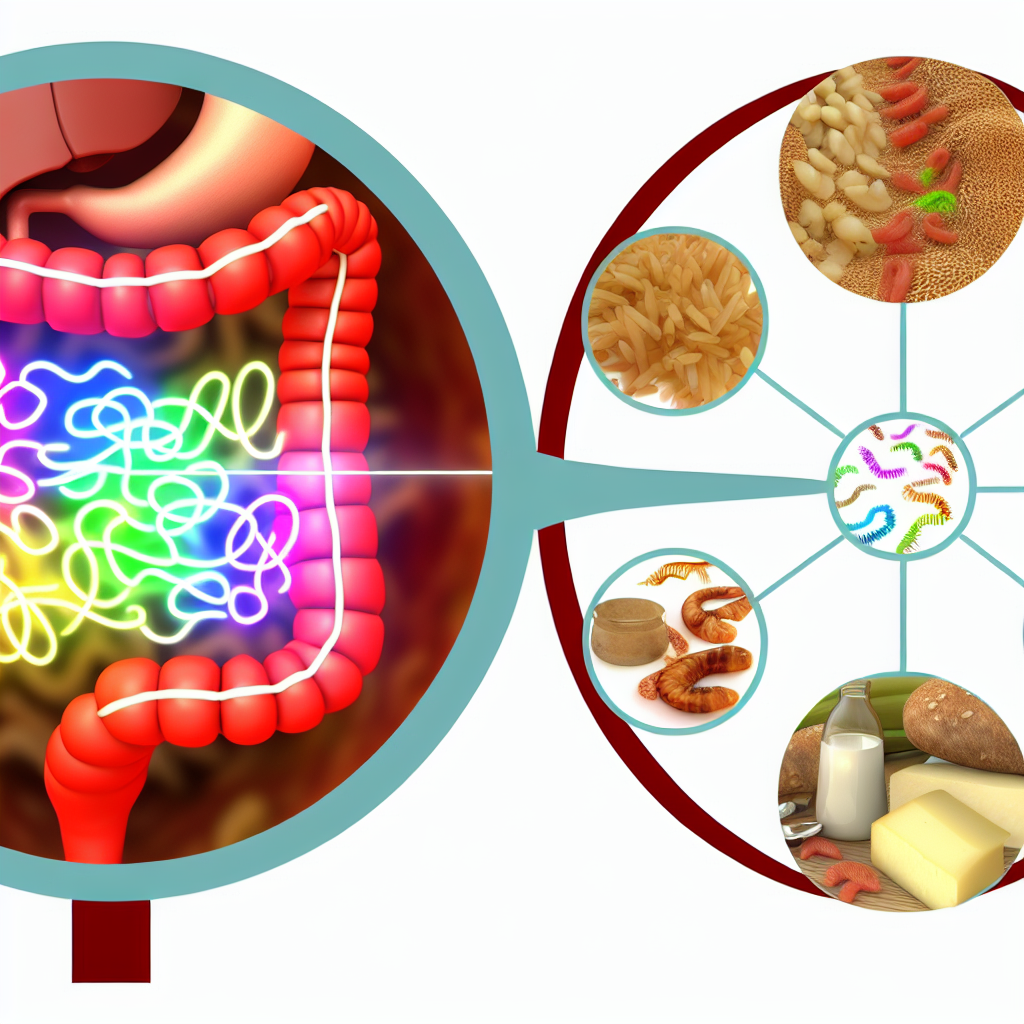
In recent years, **digestive health** has become a focal point for those seeking holistic and natural approaches to wellness. At the center of our digestive systems lies the **pancreas**, an organ that plays a crucial role in the metabolic process. Its **exocrine function** involves the secretion of digestive *enzymes* crucial for breaking down fats, proteins, and carbohydrates. However, when the pancreas becomes compromised due to conditions such as **pancreatitis** or **pancreatic insufficiency**, it can lead to significant digestive issues and nutrient malabsorption. This is where a **pancreatic enzyme sparing diet** comes into play, offering a nutritional strategy to ease the burden on a compromised exocrine pancreas.
Understanding the function of pancreatic enzymes is essential for devising strategies that support their optimal use. Typically, the pancreas produces enzymes like **amylase**, **lipase**, and **proteases** in response to food intake, aiding in digestion. When the pancreas is under stress or disease-ridden, its ability to secrete sufficient enzymes becomes impaired, necessitating a dietary approach that minimizes the need for excessive enzyme production.
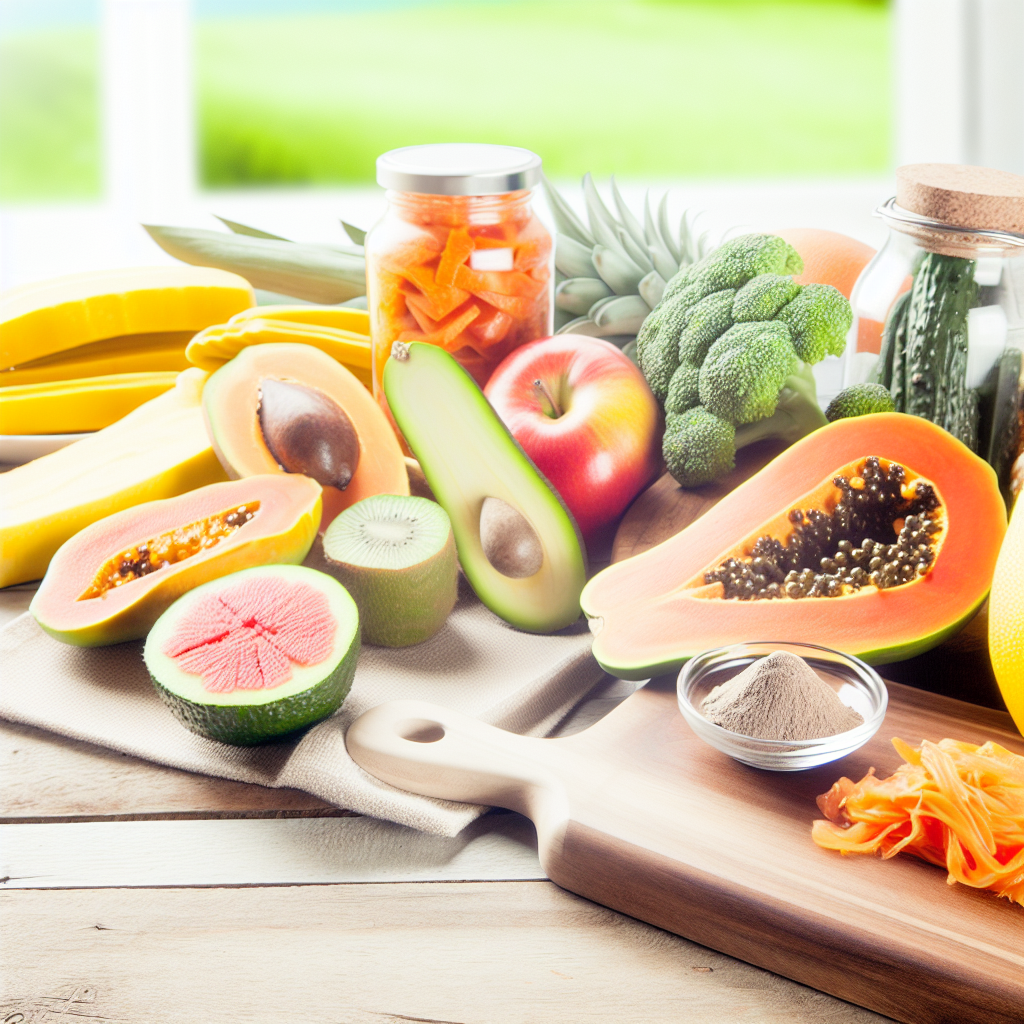
A pancreatic enzyme sparing diet emphasizes foods that are easier to digest and reduce the demand for pancreatic enzymes. This includes focusing on **plant-based foods**, which are generally lower in fat and richer in natural enzymes, such as **papain** from papayas or **bromelain** from pineapples, which can assist digestion. Additionally, **steaming** or **boiling foods** can make nutrients more accessible and less taxing on the pancreas.
Dietary fiber, while important for overall gut health, must be approached with caution. **Insoluble fibers** can be tough to digest and should be reduced to prevent undue strain on pancreatic function. Instead, **soluble fibers** from foods like oats, apples, and carrots can be prioritized, as they are gentler on the digestive system.
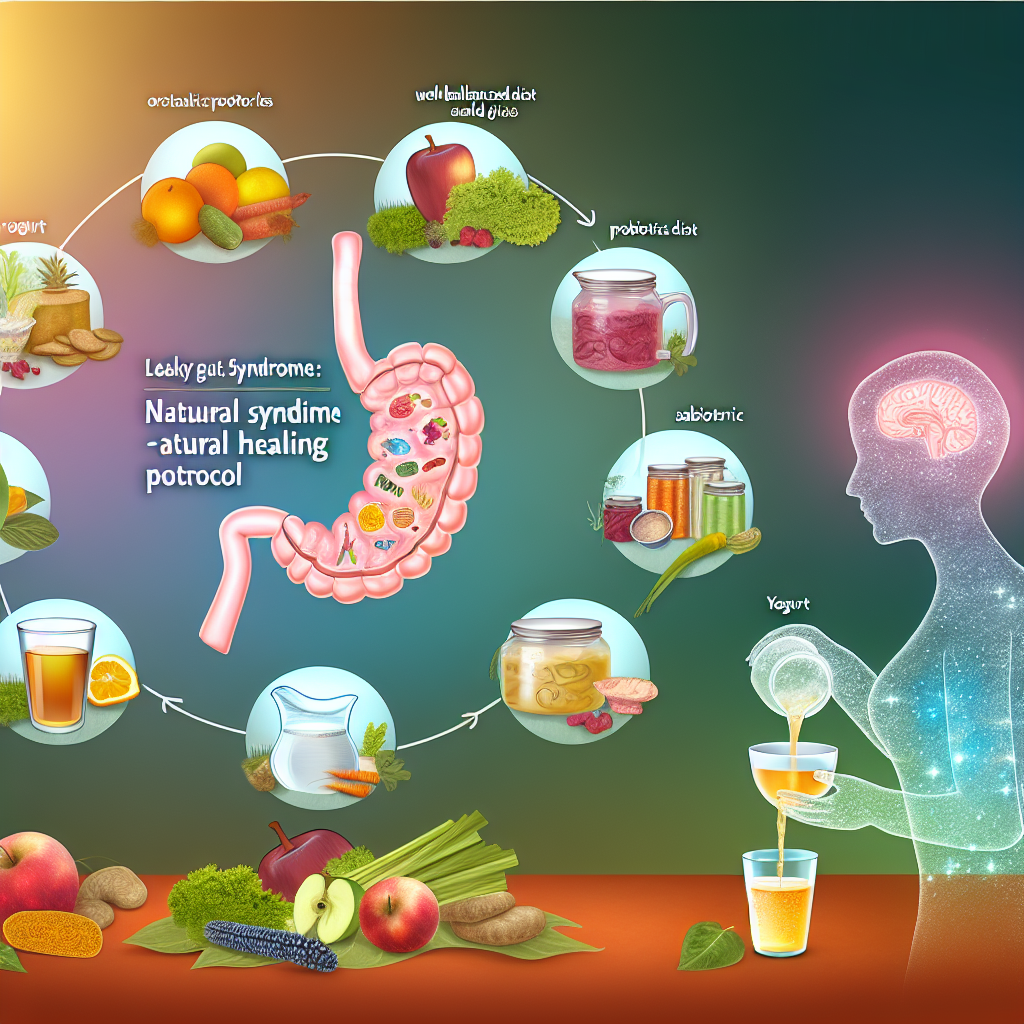
Moreover, the inclusion of **probiotics** and **fermented foods** can enhance gut flora, offering indirect support to the pancreas by improving nutrient absorption and reducing inflammatory processes. Overall, a targeted dietary plan can significantly improve digestive health and facilitate nutrient assimilation for those with compromised pancreatic function.
Features
Adopting a pancreatic enzyme sparing diet is not just based on anecdotal evidence; it is supported by an array of professional and medical studies. Research published in the journal *Pancreatology* suggests that low-fat and easily digestible diets can significantly reduce the demand on pancreatic enzyme output, thereby alleviating symptoms associated with exocrine pancreatic insufficiency.
Furthermore, a study from the *American Journal of Gastroenterology* highlights the importance of plant-based diets in managing pancreatic health. The natural enzymes present in plant-based foods can complement pancreatic function, aiding in the digestion process when enzyme secretion is compromised. This is especially valuable for individuals with chronic pancreatitis or cystic fibrosis, where enzyme supplementation may be routine, yet benefits can be enhanced by dietary modifications.
Additionally, research indicates that *medium-chain triglycerides* (MCTs), commonly found in coconut oil, are an advantageous inclusion in the diet. As outlined in a study from *Clinical Nutrition*, MCTs are absorbed directly through the portal vein and do not require pancreatic lipase for digestion. Thus, integrating MCTs can provide essential calories and nutrients without exacerbating pancreatic workload.
Further evidence from the *Journal of Nutrition* supports the role of probiotics and fermented foods in gut health management. These foods not only foster a balanced microbiome but also facilitate digestive processes, reducing the need for pancreatic involvement. Probiotics are shown to ameliorate inflammation, potentially benefiting individuals with compromised pancreatic conditions.
Overall, these studies suggest that a nuanced approach to diet can provide critical support to those with pancreatic challenges, improving quality of life and digestive efficiency.
Conclusion
A pancreatic enzyme sparing diet presents a viable and natural strategy for individuals facing exocrine pancreatic challenges. By emphasizing easily digestible, plant-based foods, incorporating natural enzymes, and supporting gut health with probiotics, it is possible to maintain digestive wellness and nutrient absorption without overburdening the pancreas. Combined with medical guidance, dietary modifications can play a crucial role in managing symptoms and enhancing the quality of life for those with compromised pancreatic function. For more information, consult with healthcare professionals and explore reputable sources like those provided here, ensuring a well-rounded approach to gut health.
Summary
A **pancreatic enzyme sparing diet** is a dietary strategy designed to ease the burden on a compromised **exocrine pancreas** by focusing on easily digestible, **plant-based foods** and incorporating natural **enzymes** and **probiotics**. It supports digestive health by reducing demand on pancreatic enzyme production, promoting efficient nutrient absorption, and mitigating symptoms of pancreatic insufficiencies. **Medium-chain triglycerides** (MCTs) and soluble fibers are emphasized for their ease of digestion. Studies support this approach for enhancing the quality of life for those with pancreatic challenges. This diet should be tailored with medical guidance to suit individual needs.

Dominic E. is a passionate filmmaker navigating the exciting intersection of art and science. By day, he delves into the complexities of the human body as a full-time medical writer, meticulously translating intricate medical concepts into accessible and engaging narratives. By night, he explores the boundless realm of cinematic storytelling, crafting narratives that evoke emotion and challenge perspectives.
Film Student and Full-time Medical Writer for ContentVendor.com