Post-FMT Microbiome Nourishment: A Guide to Diet and Supplements After Fecal Microbiota Transplantation
Introduction
Fecal Microbiota Transplantation (FMT) is rapidly gaining prominence as a powerful therapy for restoring gut health, especially in cases of recurrent Clostridioides difficile infections and chronic gastrointestinal conditions such as Irritable Bowel Syndrome (IBS), Inflammatory Bowel Disease (IBD), and even emerging metabolic disorders. By transplanting microbiota-rich stool from a screened donor into a patient’s gastrointestinal tract, FMT aims to reestablish the balance of beneficial microorganisms that help maintain digestive health.
However, the journey toward sustained gut recovery does not end with the procedure. For the newly introduced microbes to effectively colonize and form a resilient community, they require ongoing care and support. That’s where diet and targeted supplements come in—delivering the crucial nourishment needed to foster a thriving microbiome.
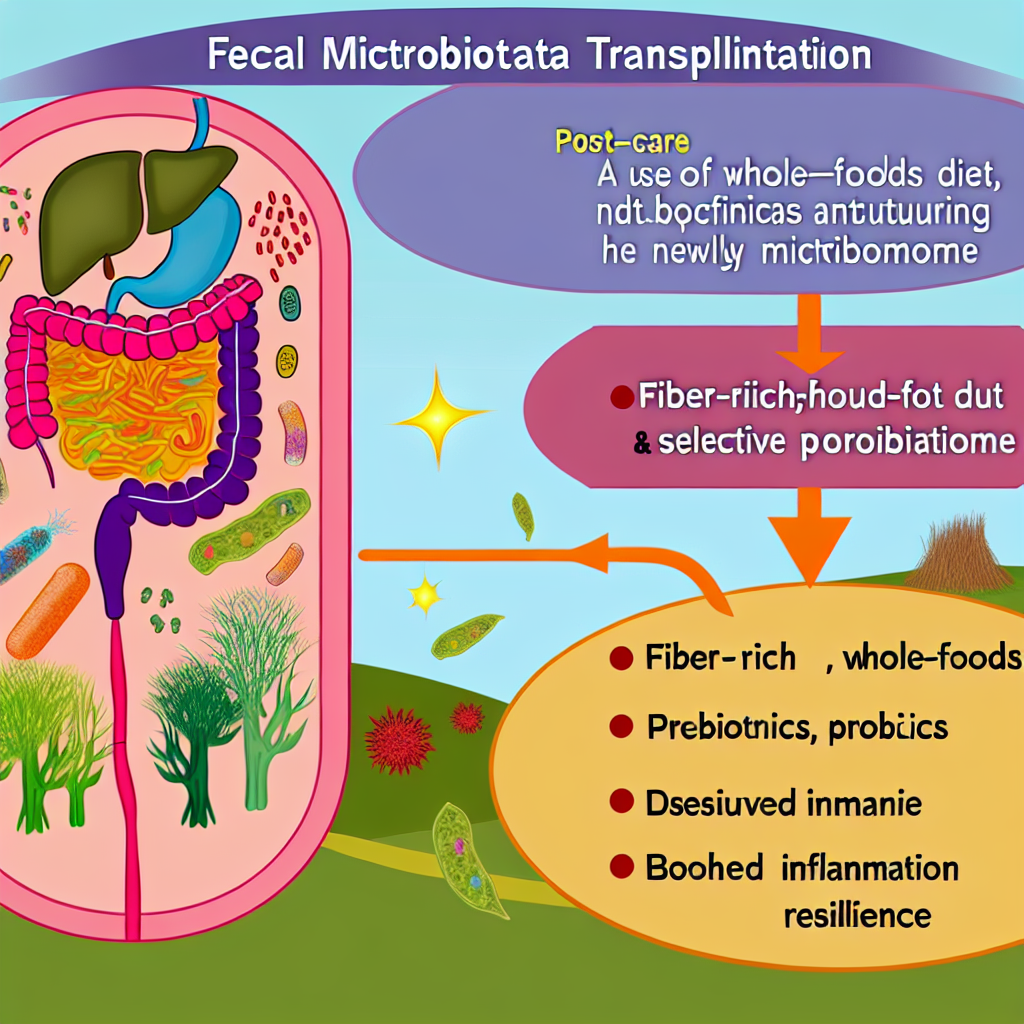
Adopting a microbiome-friendly lifestyle post-FMT includes consuming a diet rich in dietary fiber, prebiotics, polyphenols, and possibly using natural supplements. This intentional nourishment helps beneficial bacteria proliferate, produce vital compounds like short-chain fatty acids (SCFAs), and crowd out pathogens that may try to re-emerge in the gut environment. Avoiding processed foods, added sugars, and unnecessary antibiotics is equally important to preserve the delicate microbial balance.
This guide offers evidence-based insights and actionable strategies to help individuals support their gut microbiome after FMT, maximizing both short-term healing and long-term health resilience.
Evidence-Based Insights on Post-FMT Microbial Support
A growing body of research highlights the significance of post-FMT dietary management. In a pivotal study published by Cell Host & Microbe (2016), researchers demonstrated how dietary fiber enhances the survival and diversity of transplanted microbiota. Fiber acts as a prebiotic, fueling beneficial microbes so that they produce SCFAs—particularly butyrate—which nourish colon cells and promote an anti-inflammatory environment.
A 2019 study in Nutrients further validated this, showing that patients consuming plant-based high-fiber diets and fermented foods such as kefir or kimchi had significantly higher levels of Bifidobacteria and Lactobacillus spp., along with reduced infection recurrence. These keystone species aid in maintaining mucosal immunity and promoting digestive comfort.
Expanding on this, a randomized trial from the University of Minnesota introduced galacto-oligosaccharides (GOS) supplementation across 8 weeks post-FMT. Individuals taking GOS experienced greater microbial richness and beneficial bacteria growth, indicating that properly timed prebiotic support significantly enhances colonization success.
Though probiotics are commonly assumed beneficial, post-FMT timing and strain selection are crucial. A 2022 systematic review in Frontiers in Microbiology advises cautious use, noting that certain strains such as Saccharomyces boulardii and Lactobacillus rhamnosus GG may offer microbial stabilization under clinician supervision. Early probiotic use could disrupt initial microbial engraftment, so timing and personalization matter.
Additionally, various natural herbs and botanicals play a supportive role. Green tea extract, turmeric, slippery elm, and licorice root are recognized for their anti-inflammatory and mucosal-protective effects. A noteworthy study from Phytotherapy Research (2021) reported that turmeric supplements not only modulated microbial communities but also reduced IBS symptoms in FMT patients.
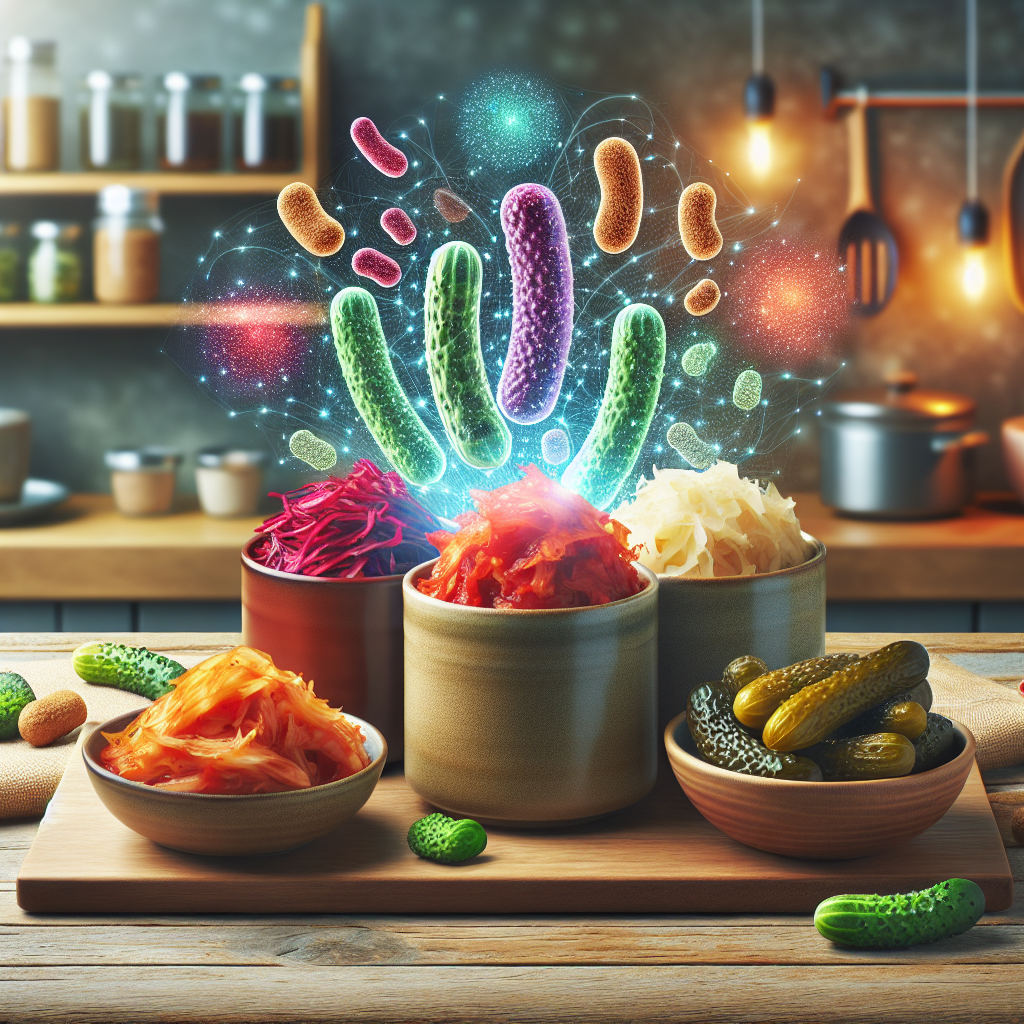
Incorporating fermented foods like sauerkraut, miso, and kimchi offers naturally occurring probiotics and bioactive enzymes. These enhance gut immunity and motility but should be introduced gradually to avoid initial bloating or discomfort while the new flora stabilizes.
Lifestyle changes such as stress reduction, sleep optimization, and regular physical activity also contribute to microbial stability. Chronic stress and poor sleep negatively affect microbial composition, while light exercise promotes SCFA production and overall microbial diversity.
Overall, fostering microbial success post-FMT requires a harmonious blend of food-based nutrients, targeted supplements, and supportive lifestyle habits. Think of your gut like a garden—transplanted seeds (microbes) will only flourish in fertile, well-tended soil.
Conclusion
Supporting the microbiome after an FMT isn’t optional—it is essential. To ensure a long-term therapeutic benefit, individuals must nurture their newly introduced microbiota with a consistent, fiber-rich diet, anti-inflammatory herbs, and carefully selected prebiotics or probiotics. Avoiding gut-disruptive substances, including processed foods and unnecessary antibiotic use, is critical to protect the fragile balance being restored.
With mindful eating, holistic supplementation, and healthy lifestyle practices, FMT’s benefits go beyond temporary relief and evolve into foundational support for digestion, immunity, and overall vitality. The key takeaway is simple: healing begins after the transplant, and how you nourish your microbiome post-FMT determines the success of your gut reboot for years to come.
Concise Summary
Fecal Microbiota Transplantation (FMT) is a powerful therapy for gut restoration, but its lasting benefits depend on post-treatment care. A fiber-rich diet, fermented foods, prebiotics like GOS, and gut-soothing supplements (turmeric, slippery elm) improve microbiota longevity and diversity. While probiotics may help, timing and strain selection are key. Natural polyphenols and lifestyle habits such as stress management also support microbial stability. Avoiding processed foods and antibiotics further protects microbiome integrity. Together, these strategies ensure a thriving gut ecosystem, making FMT a lasting path to optimal digestive and immune health.
References
– Cell Host & Microbe. (2016). Diet–Microbiota Interactions Mediate Global Epigenetic Programming in Multiple Host Tissues
– Nutrients. (2019). Impact of Diet on the Gut Microbiome Post-Faecal Microbiota Transplantation
– Frontiers in Microbiology. (2022). Potential Role of Probiotics in FMT: A Systematic Review
– Phytotherapy Research. (2021). Effects of Curcuma longa on Intestinal Microbiota and IBS Symptoms
– University of Minnesota FMT Clinical Trials

Dominic E. is a passionate filmmaker navigating the exciting intersection of art and science. By day, he delves into the complexities of the human body as a full-time medical writer, meticulously translating intricate medical concepts into accessible and engaging narratives. By night, he explores the boundless realm of cinematic storytelling, crafting narratives that evoke emotion and challenge perspectives.
Film Student and Full-time Medical Writer for ContentVendor.com