Precision Fiber Prescription: Matching Soluble and Insoluble Fibers to Your Unique Constipation Subtype
Introduction
Constipation is a common yet multifaceted digestive disturbance that affects individuals across all demographics. While general advice to “eat more fiber” abounds, the reality is far more nuanced. The effectiveness of fiber depends heavily on individual constipation subtypes, which include:
– Slow-transit constipation (STC): waste moves too slowly through the colon.
– Outlet dysfunction constipation (dyssynergia): poor pelvic floor muscle coordination hinders stool expulsion.
– Constipation-predominant irritable bowel syndrome (IBS-C): dysregulated gut motility and hypersensitivity cause discomfort.
Understanding the differences among these helps tailor dietary and therapeutic interventions—especially with fiber.
Soluble fiber (from oats, apples, and psyllium) absorbs water and forms a gel-like substance that helps organize intestinal flow and stool form. Insoluble fiber (from wheat bran, legumes, root vegetables) increases stool bulk and promotes movement through the colon.
However, using the wrong fiber type—or the wrong amount—can result in increased bloating, gas, or worsening constipation symptoms. This is where a Precision Fiber Prescription becomes essential. By aligning fiber type and quantity to your body’s physiological patterns, you can achieve gentle, sustainable gut health improvements without pharmaceuticals.
As more individuals turn to natural gut protocols, understanding how fibers function—and which are right for you—can be a transformative step in achieving regular, balanced bowel movements.
Features and Medical Research
Growing medical literature supports a personalized approach to fiber therapy:
▶️ In a systematic review in Alimentary Pharmacology & Therapeutics, soluble fiber, particularly psyllium, was highlighted as more effective than insoluble fiber in improving stool form and frequency for individuals with IBS-C and functional constipation.
▶️ A key benefit of soluble fiber is its prebiotic action. It supports beneficial bacteria, feeds the microbiota, and forms short-chain fatty acids like butyrate that reduce inflammation.
▶️ A randomized controlled trial in The American Journal of Gastroenterology showed that psyllium outperformed wheat bran in reducing bloating, pain, and stool difficulty in IBS-C patients.
▶️ For Slow-Transit Constipation, Neurogastroenterology & Motility published data showing that dietary cellulose (an insoluble fiber) significantly improved stool number and reduced transit time through bulk-adding action.
▶️ However, caution is advised with pelvic floor dyssynergia. Since the problem lies in muscle dysfunction, fibers alone may increase straining or discomfort if not paired with biofeedback or exercises.
💡 “Start low and go slow” is a principal recommendation from Dr. Satish Rao (referenced in Gastroenterology), especially for IBS-C cases sensitive to gas and fermentation.
Moreover, gut microbiota plays an essential role. Highly fermentable soluble fibers like inulin and resistant starch enhance microbial diversity and generate anti-inflammatory metabolites, promoting long-term gut resilience.
In herbal medicine, plant-based soluble fibers like slippery elm, marshmallow root, and ground flaxseed are used to form mucilaginous gels. These soothe the gut lining, ease elimination, and assist mucosal repair.
Guidelines for a Precision Fiber Prescription
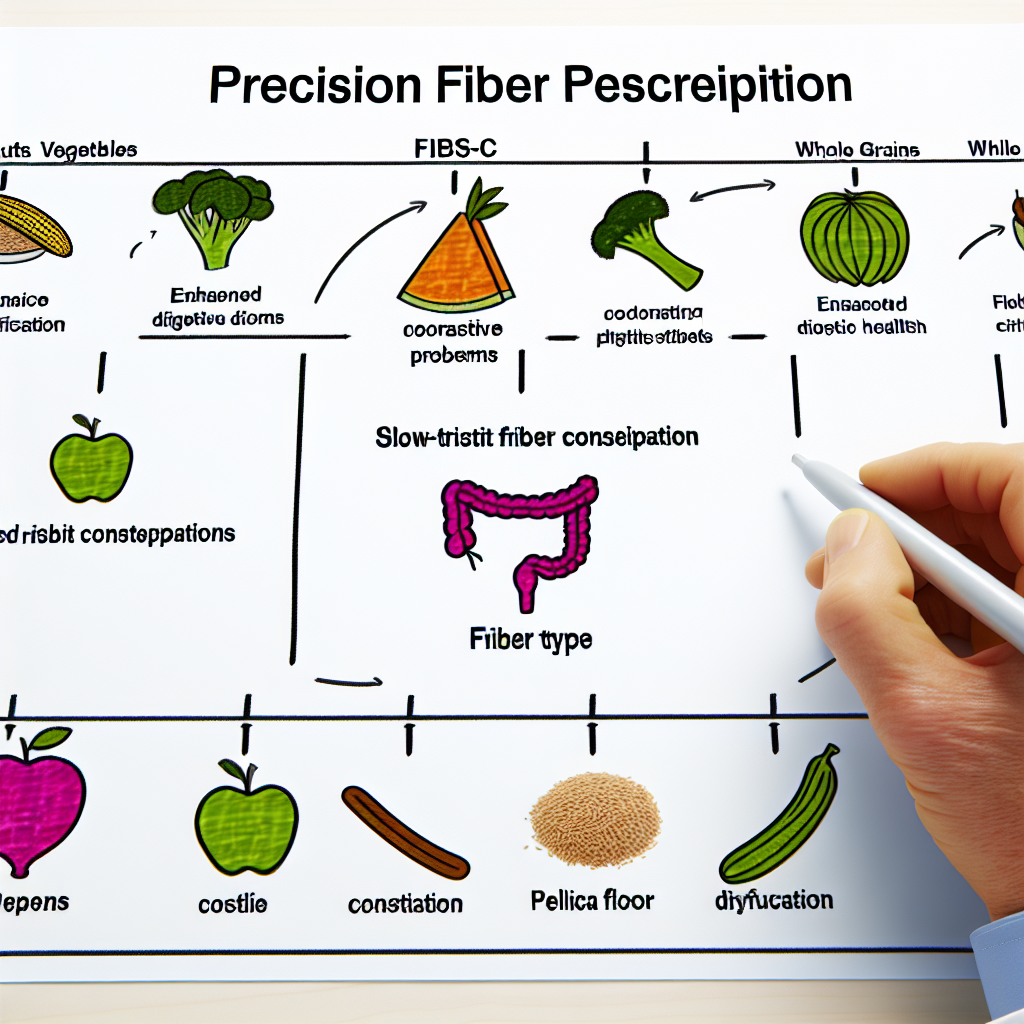
Here’s a targeted guide to fiber use by constipation type:
🌀 IBS-C: Prefer low-FODMAP soluble fibers such as psyllium husk, kiwi fiber, or partially hydrolyzed guar gum (PHGG). Avoid bloating-triggering insoluble fibers and gradually increase intake to avoid fermentation symptoms.
🐢 Slow-Transit Constipation: Increase insoluble fiber gradually using wheat bran, cabbage, or celery. Combine with movement (like walking or abdominal massage) to further stimulate colon contractions.
🚻 Outlet Dysfunction: Focus on pelvic floor retraining (e.g., via biofeedback therapy). Introduce fibers cautiously—small amounts of both types—and observe whether stool form improves or worsens.
Keep in mind that hydration is essential. Fiber draws water into the bowel; without adequate fluid, symptoms may worsen. Aim for 2–3 liters of water per day alongside your fiber changes.
Conclusion
The pathway to relieving constipation naturally lies not in blanket fiber increases, but in strategically selecting the right fiber type for your body’s specific needs. Whether managing IBS-C, Slow-Transit Constipation, or Outlet Dysfunction, the proper mix of soluble and insoluble fiber can support long-term digestive health, reduce reliance on laxatives, and rebalance the gut ecosystem.
Embracing a precision fiber prescription that includes modern clinical insights and traditional herbal strategies offers a balanced and sustainable approach. Start with awareness, increase gradually, and align with your unique physiology for optimal gut restoration.
Explore more evidence-based gut strategies at www.gutnow.com.
Concise Summary
Constipation isn’t one-size-fits-all, and neither is fiber. Depending on whether you have IBS-C, slow-transit, or outlet dysfunction constipation, different types of fiber—soluble or insoluble—offer specific benefits. Psyllium helps IBS-C by forming a gel that eases stool movement, while insoluble fiber like cellulose may benefit slow-transit types by increasing stool bulk. A precision fiber prescription, aligned with your symptoms and gut profile, can relieve discomfort without medications. Start slow, monitor symptoms, and focus on hydration to optimize fiber’s effects. Using both dietary and herbal sources tailored to your needs can transform your gut health naturally and sustainably.
References
3. Rao, S.S.C., et al. (2015). Diagnosis and management of chronic constipation. Gastroenterology.
5. Slavin, J.L. (2013). Fiber and prebiotics: mechanisms and health benefits. Nutrients.

Dominic E. is a passionate filmmaker navigating the exciting intersection of art and science. By day, he delves into the complexities of the human body as a full-time medical writer, meticulously translating intricate medical concepts into accessible and engaging narratives. By night, he explores the boundless realm of cinematic storytelling, crafting narratives that evoke emotion and challenge perspectives.
Film Student and Full-time Medical Writer for ContentVendor.com