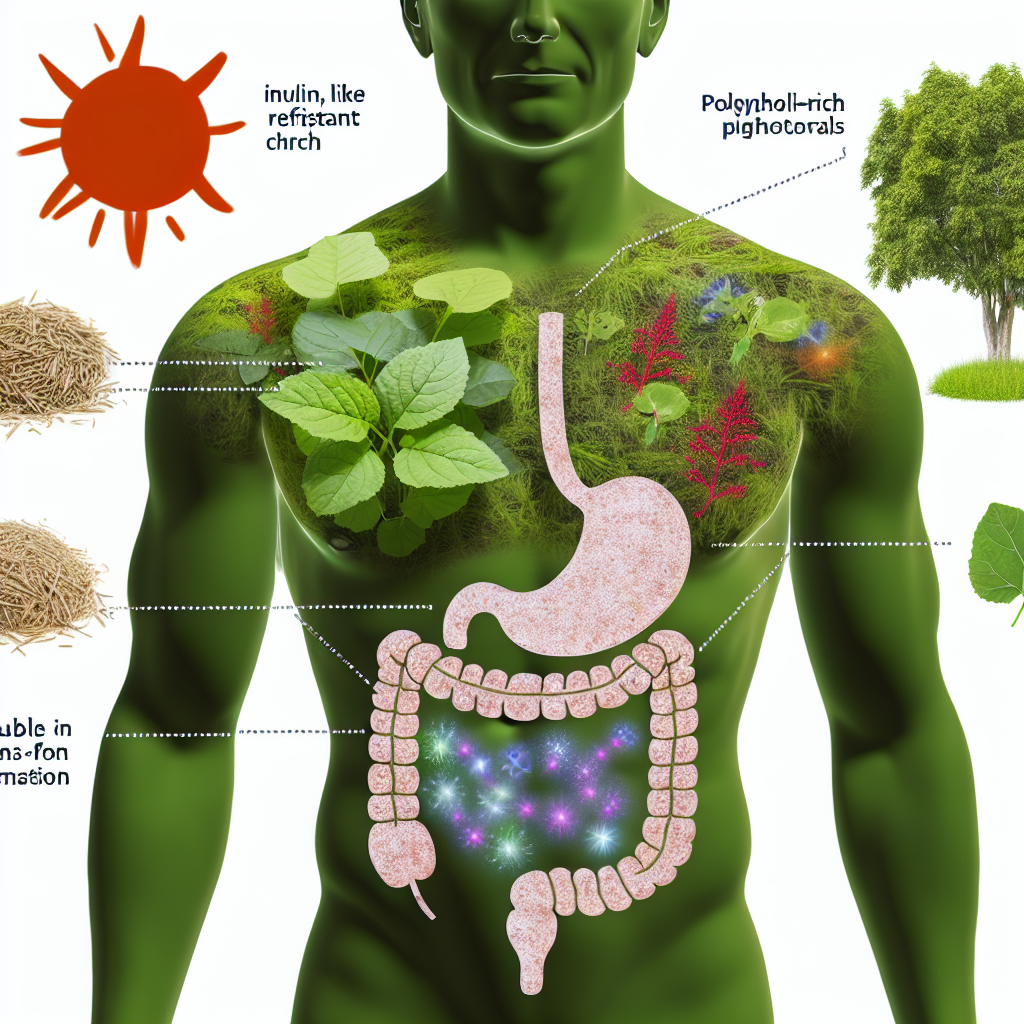
Targeted Prebiotic Stacking for Men Over 50 to Rebuild Microbial Diversity After Decades of PPIs
Introduction
Proton pump inhibitors, commonly known as PPIs, have been widely prescribed for acid reflux, GERD, and other gastric issues. While effective in lowering stomach acid, extended use can have unintended effects on the gut microbiome. Over many years, PPIs raise gastric pH levels, compromising the survival of beneficial bacteria while creating a more favorable environment for potentially harmful microbes.
For men over 50, many of whom may have used PPIs for a decade or more, this disruption often leads to persistent digestive discomfort, chronic low-grade inflammation, and even downstream health conditions such as immune dysfunction and cognitive decline. Age adds further complications, as natural microbial diversity tends to decrease with hormonal changes, dietary shifts, and a decline in physical activity.
Compounded over time, these factors can result in leaky gut, weakened gut barrier function, and higher risks for chronic diseases like type 2 diabetes, cardiovascular complications, and neurodegeneration.
However, new findings in microbiome science show that targeted prebiotic stacking—a strategy that involves combining multiple prebiotics to nourish different beneficial bacteria—shows promise for restoring microbial diversity. Unlike a general fiber approach, stacking specific prebiotic sources enhances the growth of key bacterial strains lost to PPI exposure and aging.
By utilizing prebiotics like inulin, resistant starch, and arabinogalactan—alongside soothing herbs like slippery elm and marshmallow root—older adults can custom-build a regimen to effectively and naturally rebuild gut ecosystems. When practiced consistently, this method can be a pillar of gut healing, immune resilience, and cognitive protection in aging populations.
Medical and Professional Insights
Mounting clinical evidence links long-term PPI use to a marked shift in gut microbiota. According to a 2016 study published in the journal Gut, PPI users showed significantly lower microbiota richness and an increased abundance of potentially pathogenic microbes such as Enterococcus, Streptococcus, and Escherichia coli. Reduced microbial diversity not only compromises digestion but also correlates with higher inflammation, reduced immune defense, and increased risk of infections—particularly troublesome for older adults experiencing age-related immune decline.
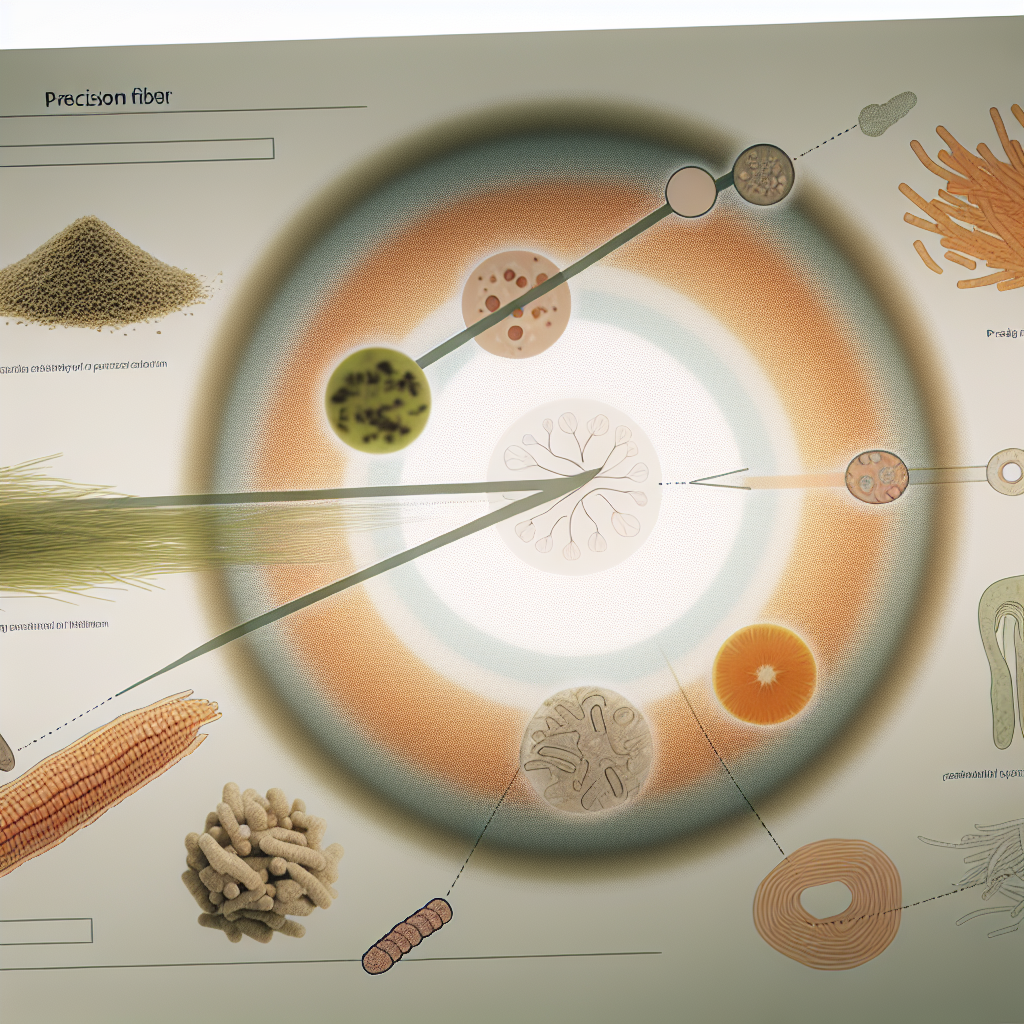
Fortunately, modern research shows a nutritional countermeasure in the form of carefully selected prebiotics. Specific prebiotic fibers support the growth of beneficial microorganisms while suppressing potentially harmful strains. Insights from a 2019 study in the Journal of Functional Foods demonstrated that different fibers stimulate different bacterial groups:
– Inulin from chicory root preferentially feeds Bifidobacteria, crucial for immune modulation and gut lining protection.
– Resistant starch—present in cooked and cooled starchy vegetables—fuels the production of butyrate by colonies such as Roseburia and Faecalibacterium prausnitzii, both critical for reducing inflammation.
– Arabinogalactan, found in larch tree bark, stimulates Lactobacilli, known to enhance overall gut balance.
Stacking a variety of these fibers feeds a broader range of beneficial bacteria, setting the stage for microbial cross-feeding—where one microbe’s metabolites serve as nourishment for another—resulting in a more resilient and dynamic ecosystem.
Building a Daily Gut Repair Stack
A diverse prebiotic stack tailored for men over 50 may outperform isolated fiber supplements. In a 2021 clinical trial published in Frontiers in Microbiology, older adults given a mixed fiber blend showed increased production of short-chain fatty acids (SCFAs), particularly butyrate. Known for supporting colonocyte integrity and reducing gut permeability, butyrate plays a central role in gut-healing protocols.
Moreover, polyphenol-rich herbs such as turmeric, licorice root, and oregano demonstrate microbial balancing effects. A 2020 study from the journal Nutrients highlights these herbs as “microbial modulators,” capable of promoting beneficial strains like Lactobacilli and Bifidobacteria.
A curated gut-supportive stack could include the following elements:
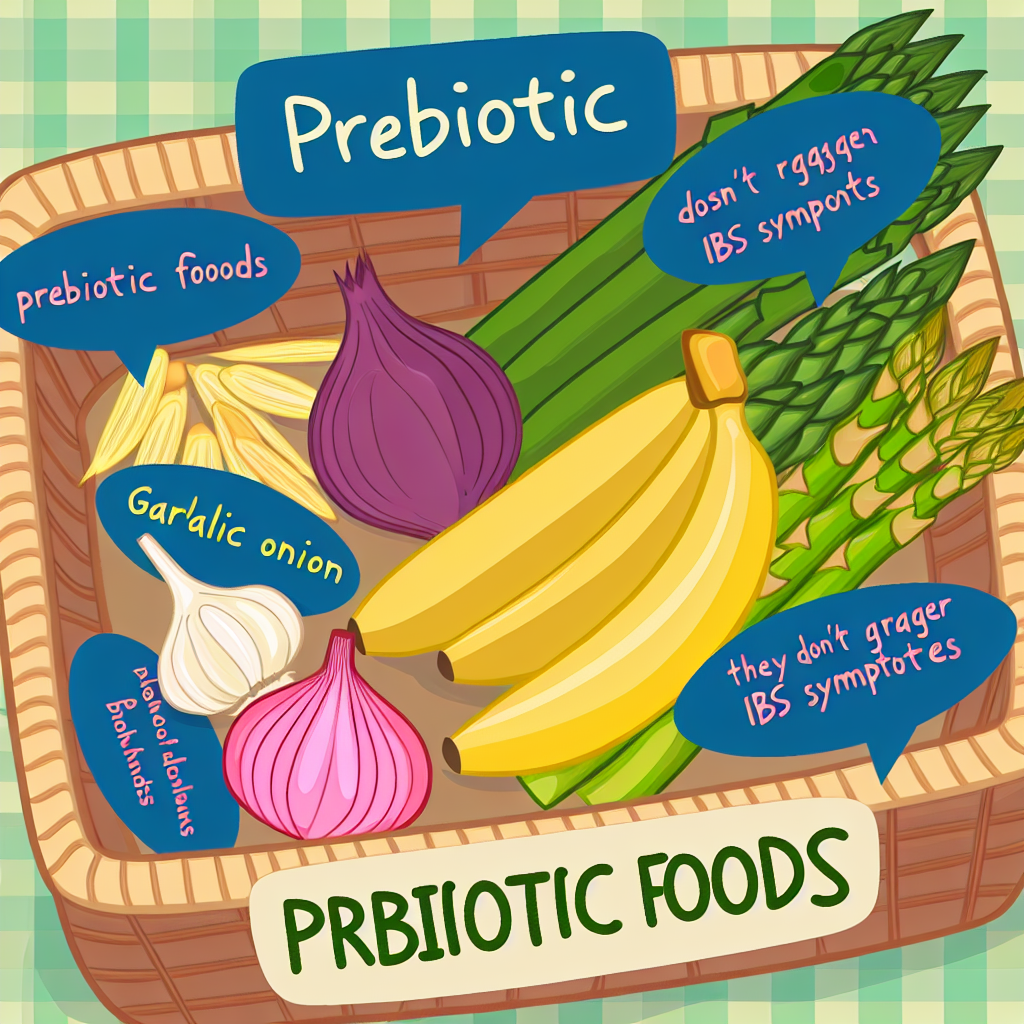
– Chicory root inulin – feeds Bifidobacteria.
– Green banana flour or cooked–cooled potatoes – provide resistant starch for butyrate production.
– Arabinogalactan – encourages Lactobacillus growth.
– Apple or citrus pectin – promotes Akkermansia muciniphila, beneficial for gut lining and mucus production.
– Slippery elm and marshmallow root – soothe and heal the gut wall while supplying gentle fermentable fibers.
– Polyphenolic herbs (curcumin, oregano, licorice) – support microbial balance and reduce intestinal inflammation.
Daily ingestion can involve blending these into a smoothie, adding powdered forms to herbal teas, or rotating them weekly to promote gut adaptability. Combined with lifestyle practices like fermented foods, regular exercise, and stress reduction, this regimen supports complete microbiome renewal.
Conclusion
For men entering their 50s and beyond, recovering from decades of PPI-induced gut damage requires a multidimensional, natural solution. Targeted prebiotic stacking offers a structured, food-based approach to restoring microbial diversity and gut integrity. Unlike generic fiber supplementation or additional pharmaceuticals, this approach is individualized and rooted in current microbiome science.
When implemented as part of a broader wellness plan—centered around gut-healing herbs, fermented foods, stress management, and movement—it provides a sustainable path for reversing digestive decline and regaining vitality. As microbiome-centered therapies continue to advance, prebiotic stacking will likely emerge as a foundational tool in age-conscious health strategies.
Concise Summary
Long-term use of proton pump inhibitors (PPIs) can disrupt gut microbiota, particularly in men over 50. Targeted prebiotic stacking—a method of combining specific fibers and herbal compounds—can restore microbial diversity, strengthen the gut barrier, and reduce inflammation. Prebiotics like inulin, resistant starch, pectin, and herbs such as slippery elm and turmeric selectively feed beneficial bacteria, while supporting immune function and digestion. Backed by multiple studies, this approach offers a non-pharmaceutical, food-based strategy to rebuild gut health and improve quality of life in aging men.
References
– Freedberg, D. E., et al. (2016). “Proton pump inhibitors alter specific taxa in the human gastrointestinal microbiome: a crossover trial.” Gut
– Martínez, I., et al. (2010). “The human gut microbiota is shaped by age and geography.” Nature
– Onumpai, C., et al. (2011). “Dietary prebiotics: a review of the current evidence for microbiota-modulation.” Journal of Functional Foods
– Healey, G. R., et al. (2021). “Habitual dietary fiber protects against deterioration of the gut microbiome following chlorination of drinking water.” Frontiers in Microbiology
– Duda-Chodak, A., et al. (2020). “Herbal nutrients and their effect on gut microbiota.” Nutrients

Dominic E. is a passionate filmmaker navigating the exciting intersection of art and science. By day, he delves into the complexities of the human body as a full-time medical writer, meticulously translating intricate medical concepts into accessible and engaging narratives. By night, he explores the boundless realm of cinematic storytelling, crafting narratives that evoke emotion and challenge perspectives.
Film Student and Full-time Medical Writer for ContentVendor.com