The Forgotten Role of Bile Flow in Chronic Constipation: Why Your Gut Protocol Might Be Missing Its Master Switch
**Chronic constipation** is a common and often frustrating condition that affects millions worldwide. Its causes can be multifaceted, ranging from dietary patterns low in **fiber** to sedentary lifestyles and even certain medications. However, an often-overlooked player in the digestive process could hold the key to unraveling this pervasive issue: **bile flow**.
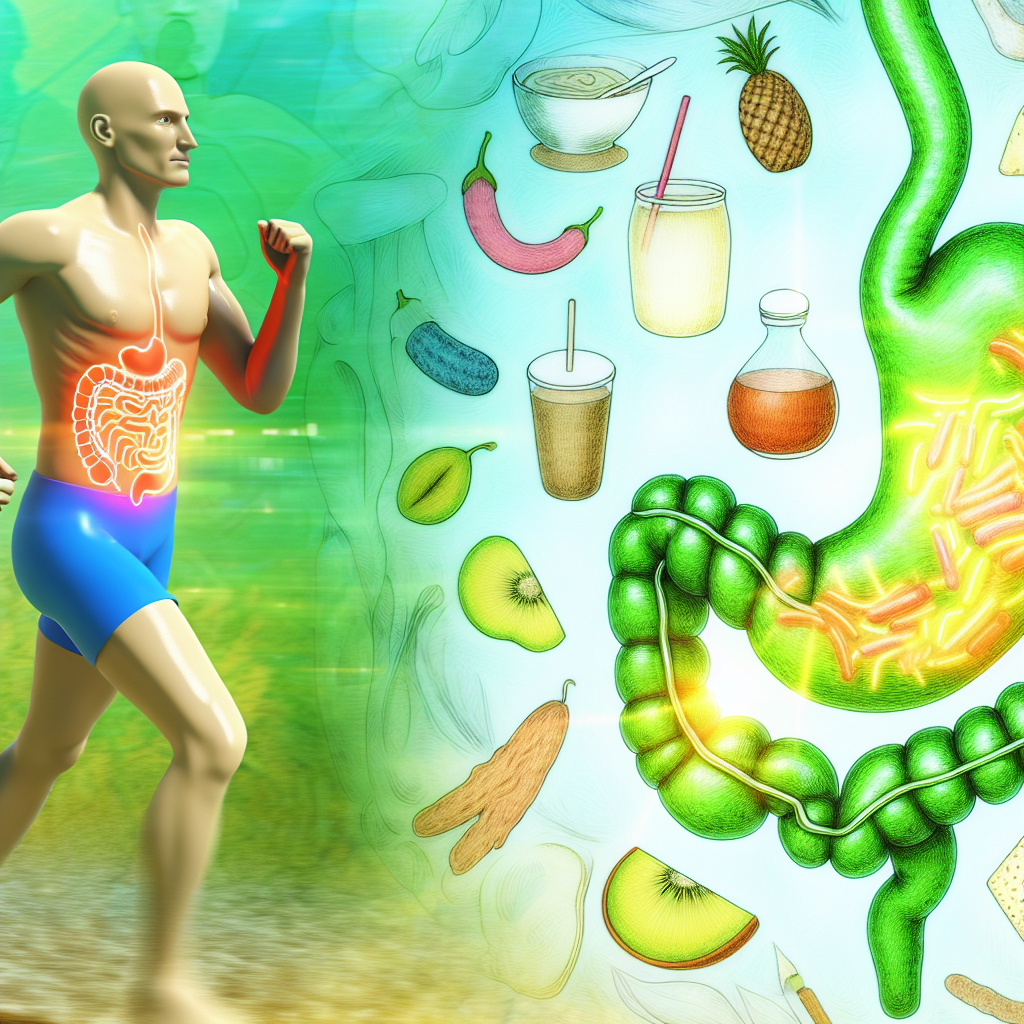
Bile is a digestive fluid produced by the liver and stored in the gallbladder. It plays a crucial role in the digestion and absorption of fats and fat-soluble vitamins. But its functions extend beyond fat digestion. Increasingly, researchers recognize bile’s potential impact on **gut motility** and overall digestive health. Adequate bile flow is essential for stimulating the digestive tract, ensuring the proper movement of contents through the gut, and preventing stagnation that can lead to constipation.
Modern diets and stressors can disrupt the delicate balance of bile production and flow. Diets high in **processed foods** and low in essential nutrients, combined with stress and lack of physical activity, can lead to impaired bile production or flow, exacerbating digestive issues. Undiagnosed conditions like **gallstones** or liver issues can also decrease bile availability, further contributing to constipation.
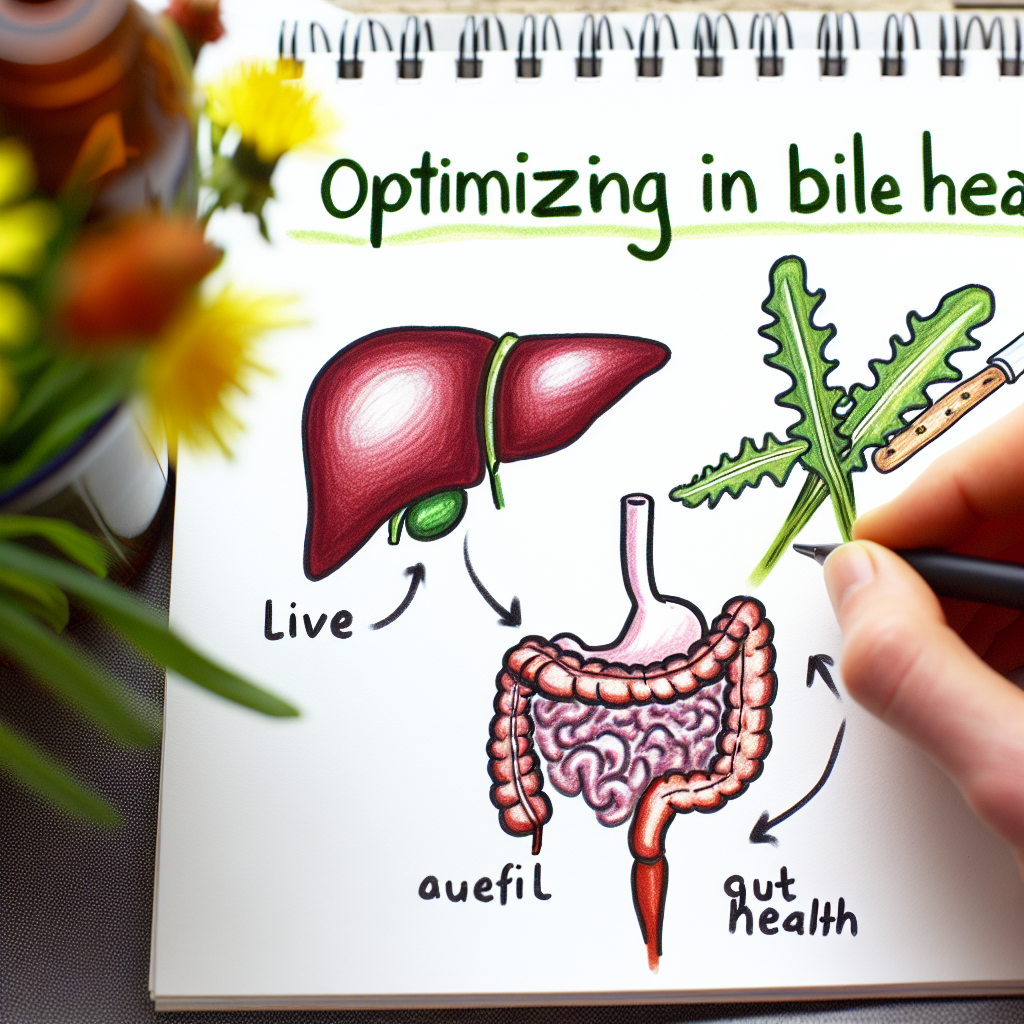
For individuals combating chronic constipation, focusing on optimizing bile flow could be the missing element in their gut health protocol. By improving bile production and flow, individuals may experience enhanced gut motility and smoother digestion, alleviating the uncomfortable symptoms of constipation.
Features: The Link Between Bile Flow and Gut Health
Recent studies have highlighted the critical role of **bile acids** not only in digestion but also in maintaining fertile ground for gut health. A study published in [Nature Reviews Gastroenterology & Hepatology](https://www.nature.com/articles/nrgastro.2015.112) emphasized the role of bile acids as signaling molecules that regulate various physiological processes in the **gastrointestinal tract**. These processes include gut motility, nutrient absorption, and maintaining microbial balance in the intestines.
Moreover, research has shown that bile acids can activate receptor sites in the intestines, such as the **farnesoid X receptor (FXR)**, which in turn modulates the secretion of fluids necessary for gut transit, as highlighted in a study available on [NCBI](https://www.ncbi.nlm.nih.gov/pmc/articles/PMC4980970/). Activation of these pathways is crucial for preventing constipation and ensuring the smooth passage of bowel movements.
Improving bile flow can be approached naturally through dietary changes and the use of specific herbs and supplements. Foods known to support bile production include dark leafy greens, *beets*, and **artichokes**. These can be incorporated into the diet to stimulate bile production and flow. Additionally, herbs like **dandelion root** and **milk thistle** have been traditionally used to support liver function and bile flow, as noted in research found [here](https://www.ncbi.nlm.nih.gov/pmc/articles/PMC7651056/).
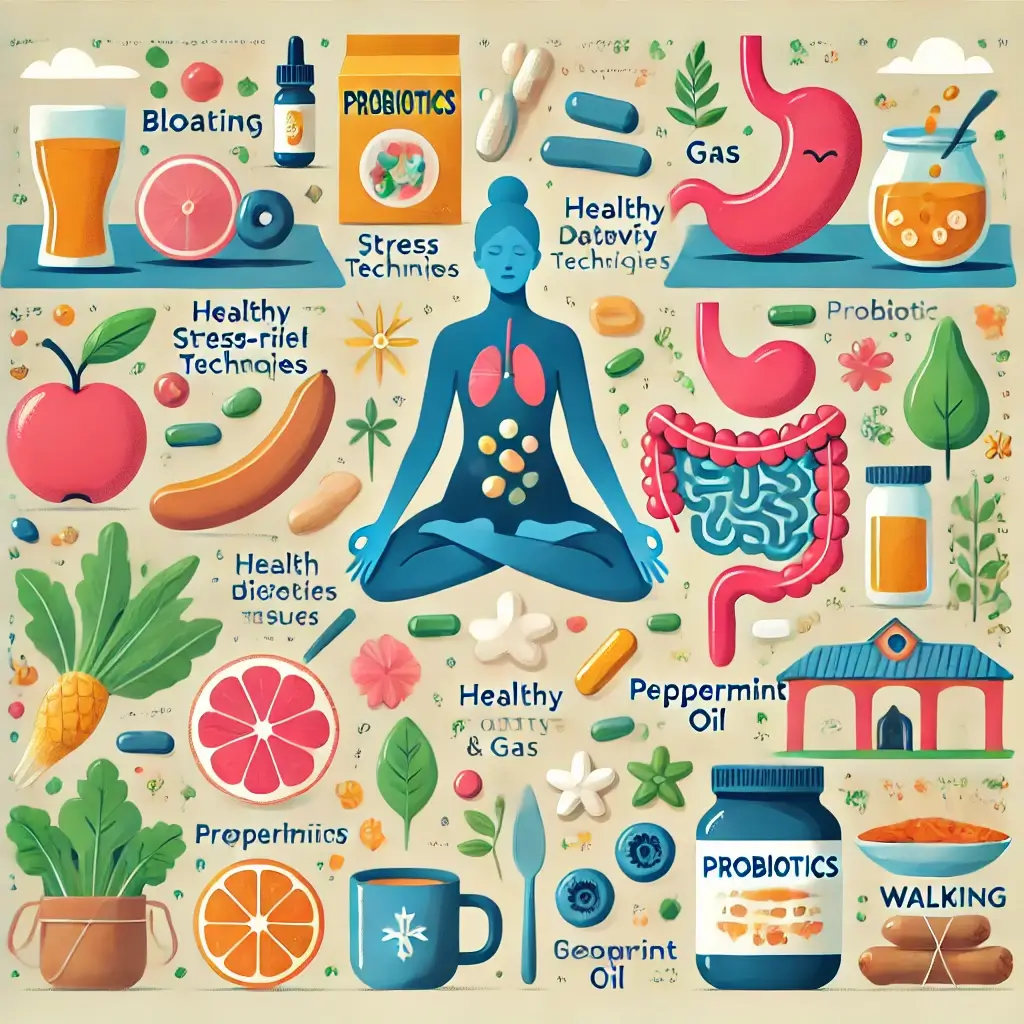
Furthermore, a study published in the [Journal of Neurogastroenterology and Motility](https://www.ncbi.nlm.nih.gov/pmc/articles/PMC5105582/) highlighted the potential of **probiotics** to synergistically work with bile acids to improve gut motility and relieve symptoms of constipation. Probiotics can enhance the breakdown of bile acids, promoting a more harmonious gut environment and effective digestion.
Conclusion
Understanding and optimizing bile flow could be the missing link in treating chronic constipation naturally. By focusing on natural ways to enhance bile production and flow, such as dietary changes and the use of herbal remedies, individuals can address one of the root causes of their digestive difficulties. With more research illuminating the intricate roles bile plays in gut health, individuals seeking relief from constipation might find this approach a promising addition to their gut health regimen, moving them toward improved digestive wellness and overall quality of life.
For further reading and more in-depth information, explore the following resources:
1. [Nature Reviews Gastroenterology & Hepatology](https://www.nature.com/articles/nrgastro.2015.112)
2. [National Center for Biotechnology Information: Farnesoid X Receptor Study](https://www.ncbi.nlm.nih.gov/pmc/articles/PMC4980970/)
3. [Herbal Medicine Associated with Liver Health](https://www.ncbi.nlm.nih.gov/pmc/articles/PMC7651056/)
4. [The Role of Probiotics in Digestion](https://www.ncbi.nlm.nih.gov/pmc/articles/PMC5105582/)
**Concise Summary:**
Understanding bile flow’s impact on gut health could be crucial for addressing chronic constipation. Bile, produced by the liver, aids digestion and stimulates gut motility. Modern diets and stress disrupt this balance, leading to constipation. Enhancing bile production through dietary changes and herbs like dandelion root and milk thistle, alongside probiotics, can alleviate symptoms. With bile acids acting as key signaling molecules in the gut, optimizing their flow may improve digestion and overall wellness, offering a compelling addition to natural constipation treatment protocols.

Dominic E. is a passionate filmmaker navigating the exciting intersection of art and science. By day, he delves into the complexities of the human body as a full-time medical writer, meticulously translating intricate medical concepts into accessible and engaging narratives. By night, he explores the boundless realm of cinematic storytelling, crafting narratives that evoke emotion and challenge perspectives.
Film Student and Full-time Medical Writer for ContentVendor.com