The Future of Personalized Gut Health: AI-Driven Protocols Revolutionizing Functional Gastroenterology
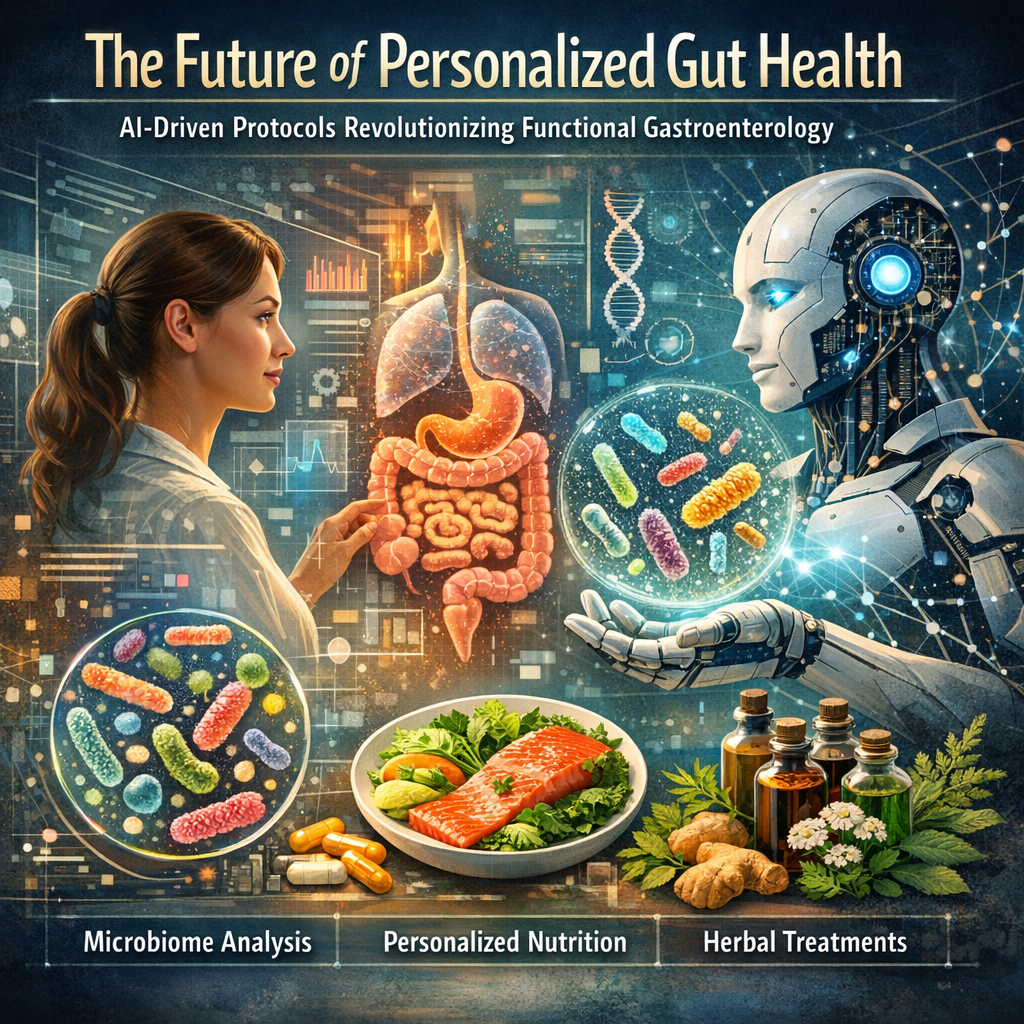
In the realm of gut health, a silent revolution is underway, driven not by probiotics or the latest dietary fad, but by advanced technology: Artificial Intelligence (AI). As our understanding of gut microbiota advances, so does our capability to harness data for more precise and personalized interventions. Gut health is increasingly recognized for its broad impact on overall well-being, influencing everything from mental health to immune function. The quest for improved treatments has led to integrating AI in functional gastroenterology, promising tailor-made solutions to gut issues based on deep, data-driven insights.
Artificial Intelligence, with its ability to process and analyze vast amounts of data with precision, offers a level of personalization that was previously unreachable. This is especially crucial in gastroenterology, where understanding the multifaceted interactions within the gut microbiome requires an intricate balance of numerous factors. Traditional medicine often employs a one-size-fits-all approach, which can overlook the unique composition and needs of an individual’s microbiota. With AI, practitioners can shift from generalized treatments to highly personalized protocols, potentially transforming patient outcomes.
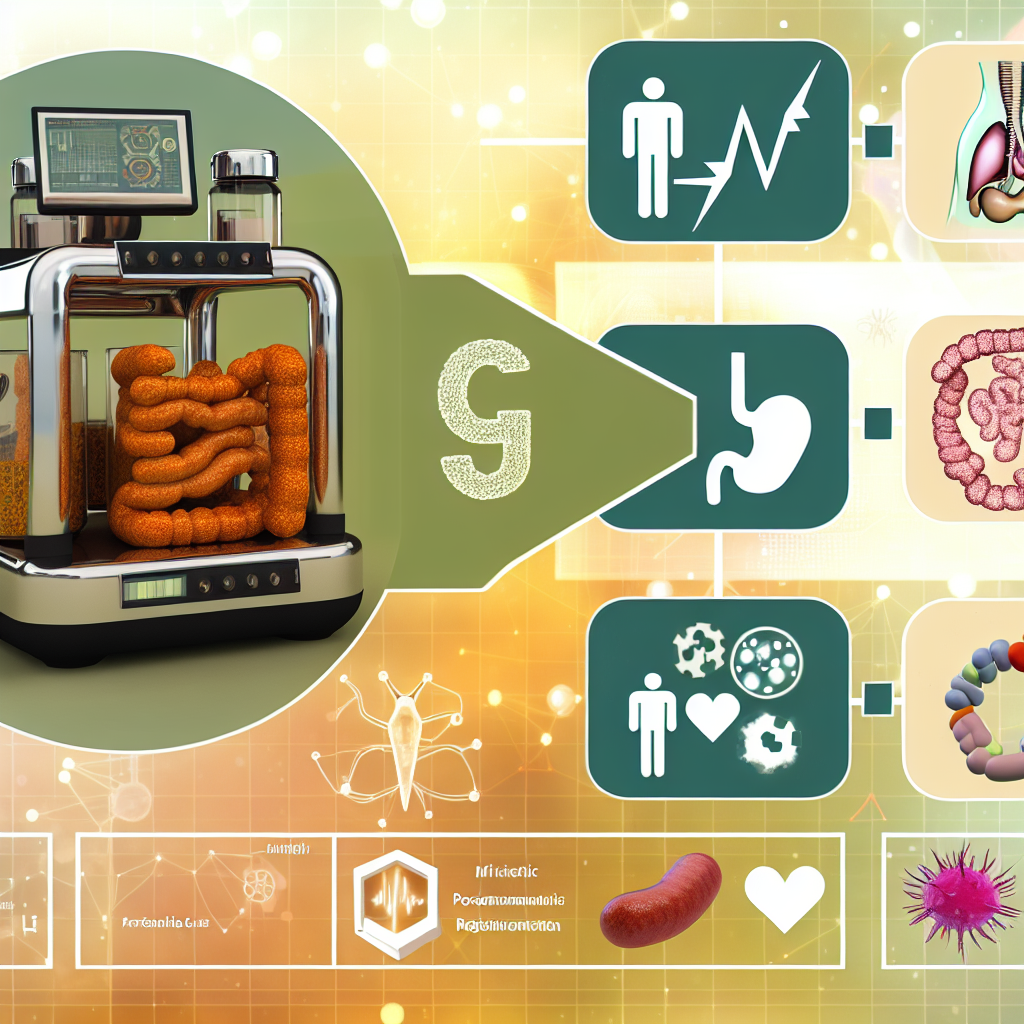
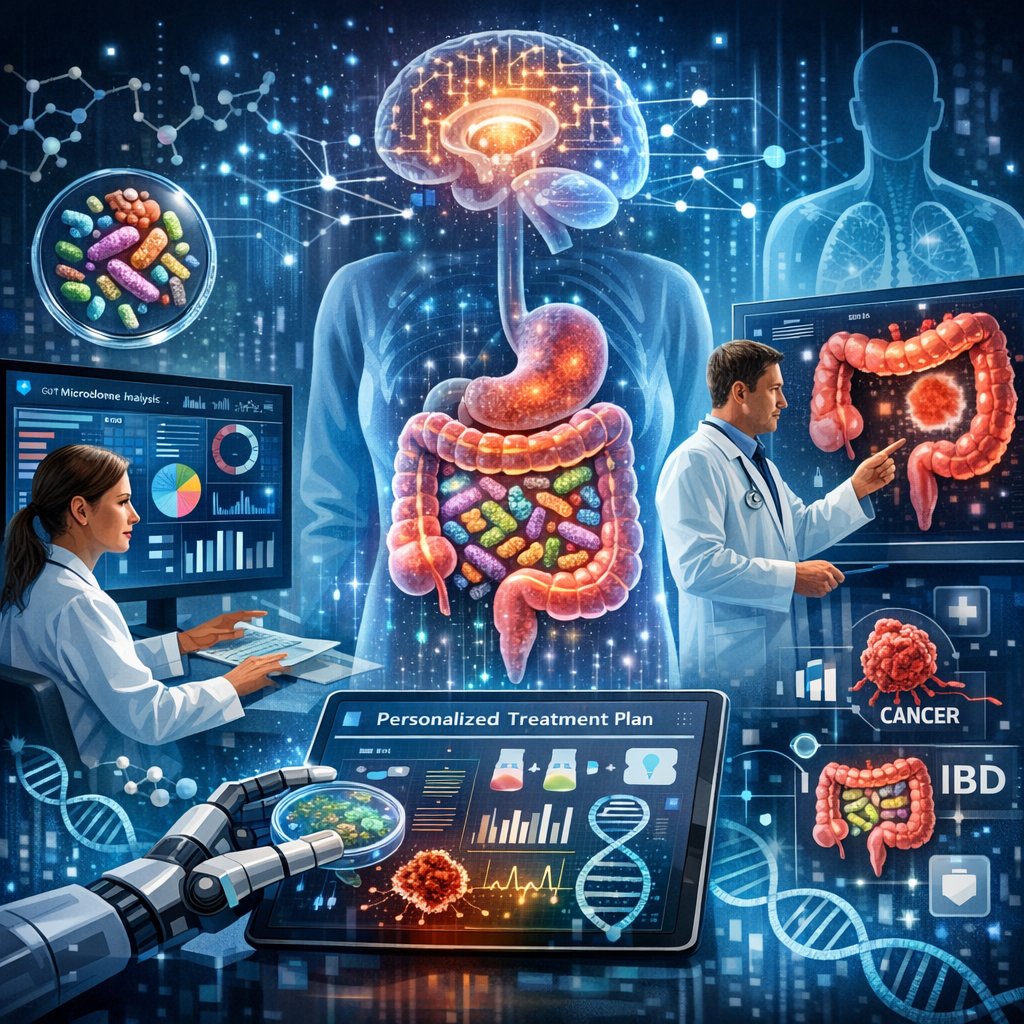
Recent technological advancements have made it possible to sequence gut microbiota with high fidelity and subsequently interpret these complex datasets to identify imbalances, predict disease risks, and recommend precise therapeutic strategies. For instance, AI algorithms can compare a patient’s microbiome composition against a vast database of microbiome profiles, learning to identify patterns that correlate with specific gut conditions. By continuously learning from new data, AI systems can also suggest novel dietary or lifestyle interventions based on the most recent research and individual patient history.
Features:
The integration of AI in gut health extends beyond mere data analysis; it’s facilitating groundbreaking research and clinical applications. Several studies underscore the potential of AI to disrupt traditional approaches in functional gastroenterology. A pivotal study published in Nature Medicine demonstrated AI’s capacity to predict complex gut disorders by analyzing microbiome data with 90% accuracy, sometimes even before symptoms appear. This ability to forecast conditions allows for early intervention, which is often key to effective management and treatment.
Moreover, AI is being utilized to develop more effective and safer herbal treatments. Traditional herbal remedies have long been used for digestive health, yet determining their efficacy and safety has often relied on anecdotal evidence. AI helps in systematically analyzing large datasets from clinical trials and historical records, ensuring that treatments are both potent and devoid of adverse interactions with other medications or conditions.
Studies like the one from Gut Microbes highlight how AI-driven research is uncovering new insights into how dietary fibers, fermented foods, and certain herbs like turmeric and ginger interact with the gut microbiota to promote health. Personalized AI protocols can guide individuals in selecting the most suitable natural treatments by predicting their microbiome’s response to these interventions.
Another promising application is in the realm of developing personalized dietary plans that optimize gut health. AI can analyze an individual’s genetic makeup, microbiome composition, and dietary habits to suggest specific foods that would benefit their unique gut flora. Such targeted approaches can enhance microbial diversity, crucial for robust gut health, thereby lowering the risk of inflammation-related diseases.
Conclusion:
As AI continues to revolutionize the field of functional gastroenterology, the potential for personalized gut health solutions becomes not just a futuristic idea but a current, practical reality. This technology offers unprecedented opportunities to transform gut health management by providing insights and interventions tailored to individual patients. By leveraging AI, we are stepping into a new era where gut health is maintained and optimized with precision, reducing dependency on generalized medications and empowering individuals with sustainable, natural remedies. The future of gut health is personal, data-driven, and increasingly effective, ensuring that more people can enjoy better overall health and quality of life.
Concise Summary:
The integration of Artificial Intelligence (AI) in functional gastroenterology is revolutionizing personalized gut health. AI enables the processing of extensive microbiome data, paving the way for personalized treatments by predicting disease risks and suggesting precise interventions. Studies highlight AI’s ability to forecast gut disorders with high accuracy, enhancing early intervention. It also assists in evaluating and developing potent, safe herbal treatments. AI-driven personalized dietary plans further optimize microbial diversity, reducing inflammation-related disease risks. This personalized, data-driven approach transforms gut health management, offering a practical reality of enhanced well-being through tailored solutions.