The Hidden Downsides of Over-Sterilized Guts: Why Excess Hygiene May Be Fueling Chronic Digestive Disease
**Introduction**
In recent years, the conversation about **gut health** has surged to the forefront of both the medical community and popular health discourse. A growing body of research underscores the central role the **gut microbiome** plays in overall health, influencing everything from digestion to immune function and even mental well-being. Amid this growing interest, there’s increasing scrutiny of modern hygiene practices, particularly their potential overuse and the unintended consequences they may have on gut health.
The concept of **hygiene** is deeply rooted in societal norms and public health efforts to prevent infections and the spread of communicable diseases. However, in our quest for cleanliness, we may have overlooked the complex ecosystem residing within us. The gut is home to trillions of **microorganisms**, both beneficial and otherwise, forming a diverse microbiome critical to our health. While maintaining hygiene is essential, the overuse of **antibiotics**, antiseptics, and sanitation products can disrupt this intricate balance. This phenomenon, often termed “the **hygiene hypothesis**,” suggests that excessive sanitation reduces the natural exposure to a variety of microbes necessary for immune system development and gut health.
The modern industrialized lifestyle, characterized by widespread use of antibacterial products and a decline in natural microbial exposure, is hypothesized to be a contributing factor to the rise in chronic digestive disorders like **Irritable Bowel Syndrome (IBS)**, **Crohn’s Disease**, and **Ulcerative Colitis**. These conditions have shown significant increases in prevalence, particularly in highly sanitized and urbanized environments. The gut microbiome, when deprived of its natural microbial biodiversity, may lose its resilience, leading to **dysbiosis**—a state where harmful bacteria outnumber beneficial ones, potentially triggering or exacerbating chronic digestive diseases.
Understanding the delicate balance between necessary hygiene and microbiome preservation is crucial. It points to a future where embracing a more nuanced understanding of cleanliness could mitigate the risks associated with over-sterilized environments. This contrast between past and present practices provokes a critical examination of current habits and paves the way towards more holistic approaches in promoting gut health through natural and herbal treatments.
Features
Emerging research has provided valuable insights into the impact of over-sterilization on gut health. A pivotal study published in [Nature Reviews Immunology](https://www.nature.com/articles/s41577-020-00437-6) suggests that reduced exposure to environmental microbes—partly due to urban living and sterilized surroundings—may impair the development of a robust immune system and is potentially linked to the increase in autoimmune and allergic diseases. While rigorous hygiene can prevent infections, it may inadvertently strip away beneficial microbes necessary for cultivating a healthy gut microbiome.
Further supporting this, a study orchestrated by the **University of Alberta**, published in [Scientific Reports](https://www.nature.com/articles/s41598-017-04277-x), delves into the microbial diversity of gut flora specific to children raised in ultra-clean environments versus those with greater microbial exposure. The findings indicate that children in hyper-clean environments often have less diverse gut microbiomes, unable to effectively defend against inflammatory diseases and infections. This lack of microbial richness might contribute to a weakened gut barrier, making individuals more susceptible to chronic digestive conditions.
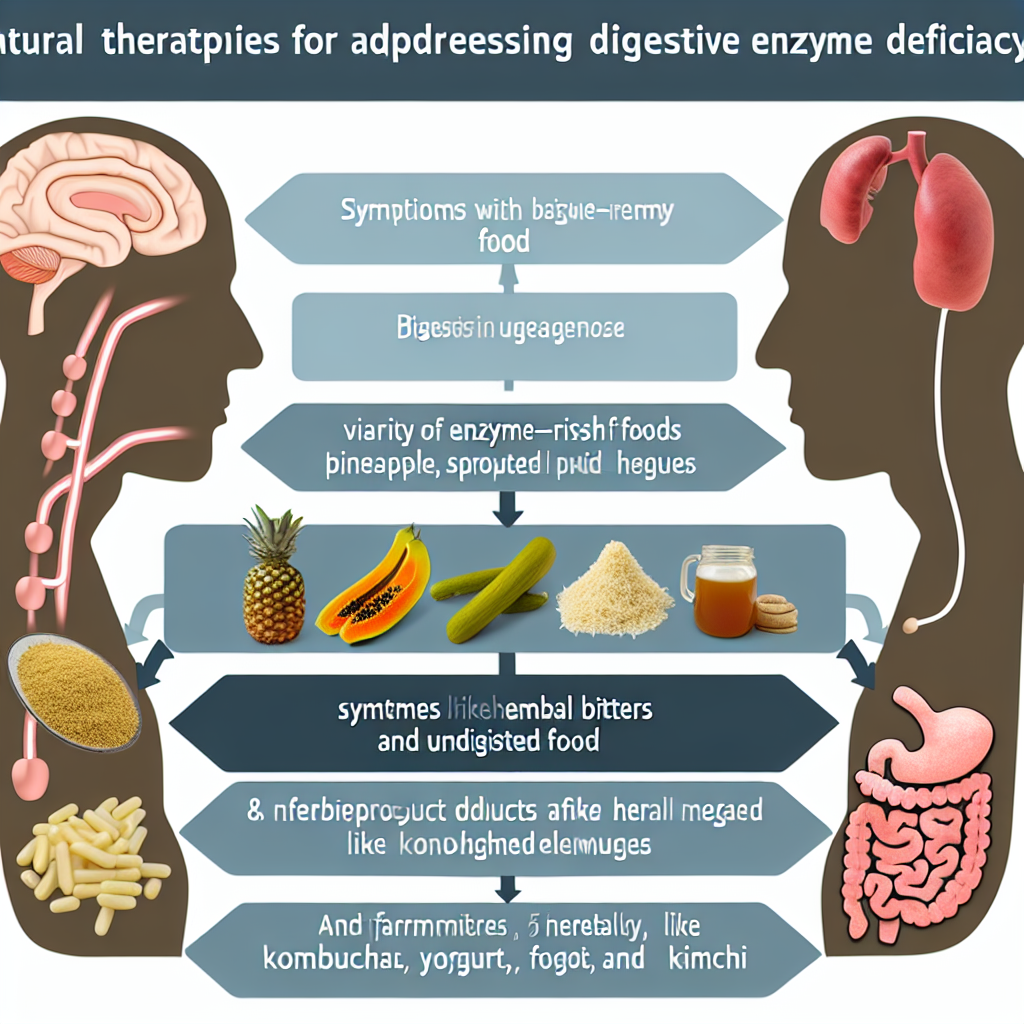
Moreover, research from [Microbial Ecology in Health and Disease](https://microbecologyhealthdisease.biomedcentral.com/articles/10.1186/s12906-020-02915-1) highlights the beneficial role of microbes in gut health, emphasizing how certain herbal remedies can promote microbial diversity. Natural treatments like **prebiotics** and **probiotics** are known to enhance gut flora health. Herbs such as **ginger**, **turmeric**, and **garlic** not only possess anti-inflammatory properties but also serve as prebiotics, fostering the growth of beneficial gut bacteria. These natural treatments offer a promising alternative or complementary approach to traditional medicinal practices, potentially alleviating symptoms and supporting gut health without adverse effects associated with pharmaceutical interventions.
Considering these studies, it becomes evident that embracing balanced hygiene practices while incorporating natural remedies may restore and preserve healthy gut microbiota. This can result in reduced inflammation, improved digestion, and an overall enhancement of gut health. As awareness of over-sterilization’s impact grows, integrating such knowledge into everyday habits holds potential for significantly improving digestive health outcomes.
Conclusion
In summary, while hygiene remains vital for preventing infections, excessive sterilization can inadvertently harm the beneficial microorganisms essential for maintaining gut health. Recognizing this, individuals are increasingly seeking natural remedies to restore microbial balance and address chronic digestive diseases. By understanding and respecting the complex symbiosis within the gut, and by using herbal treatments like prebiotics and probiotics, we can nurture a diverse and robust microbiome. Embracing this balance may not only alleviate symptoms of digestive disorders but also pave the way for enhanced overall health and well-being. As research continues to unfold, the hope is that these insights will foster improved health practices that respect both hygiene and the microbiome’s essential needs.
**Concise Summary**
The article discusses the potential negative impact of over-sterilization of the gut due to excessive use of antibiotics and sanitation products, aligning with the hygiene hypothesis. It suggests that such practices reduce microbial diversity essential for gut and immune health, potentially leading to increased cases of chronic digestive diseases like IBS and Crohn’s. Studies highlight that balanced hygiene and integrating natural treatments like prebiotics and herbal remedies can enhance gut health by preserving microbial diversity. This awareness encourages adopting practices that maintain cleanliness without harming beneficial gut bacteria.

Dominic E. is a passionate filmmaker navigating the exciting intersection of art and science. By day, he delves into the complexities of the human body as a full-time medical writer, meticulously translating intricate medical concepts into accessible and engaging narratives. By night, he explores the boundless realm of cinematic storytelling, crafting narratives that evoke emotion and challenge perspectives.
Film Student and Full-time Medical Writer for ContentVendor.com