The Post-Infectious IBS Recovery Roadmap: A Phased Herbal and Dietary Strategy for Lasting Gut Calm
Introduction
Post-infectious irritable bowel syndrome (PI-IBS) is an often overlooked consequence of acute gastrointestinal infections caused by pathogens like bacteria or viruses. Even after the infection clears, a significant percentage—up to 30%—of individuals may continue to experience chronic gastrointestinal distress such as abdominal pain, bloating, irregular bowel movements, and urgency.
This prolonged discomfort often stems from persistent low-grade inflammation, gut flora imbalances, increased intestinal permeability, and disrupted gut-brain communication. Conventional treatments primarily focus on symptom suppression, prompting many sufferers to turn to integrative strategies grounded in herbal medicine and nutrition.
A phased recovery approach addresses the root causes of PI-IBS in a structured manner, aiming not only for symptom relief, but holistic healing. It restores the intestinal lining, balances the microbiome, reduces inflammation and re-regulates nerve and brain signaling. This comprehensive guide lays out each phase of recovery supported by both clinical research and the wisdom of traditional herbal medicine.
Understanding the Gut-Brain Axis and PI-IBS Onset
The gut-brain axis is the bidirectional communication channel between the enteric nervous system (the “second brain” in the gut) and the central nervous system. Infectious gastroenteritis can destabilize this axis by inducing inflammation, altering gut motility, triggering immune reactions, and disrupting the intestinal barrier.
For PI-IBS sufferers, this may mean increased pain sensitivity, a disordered microbiome, and symptoms that persist long after the infection resolves. Inflammation leaves the gut compromised with leaky gut syndrome, lingering immune activation, and overgrowth of opportunistic microbes. Medications only scratch the surface; to truly heal requires targeting the underlying dysfunction across multiple systems of the body.
The Phased Approach to Recovery
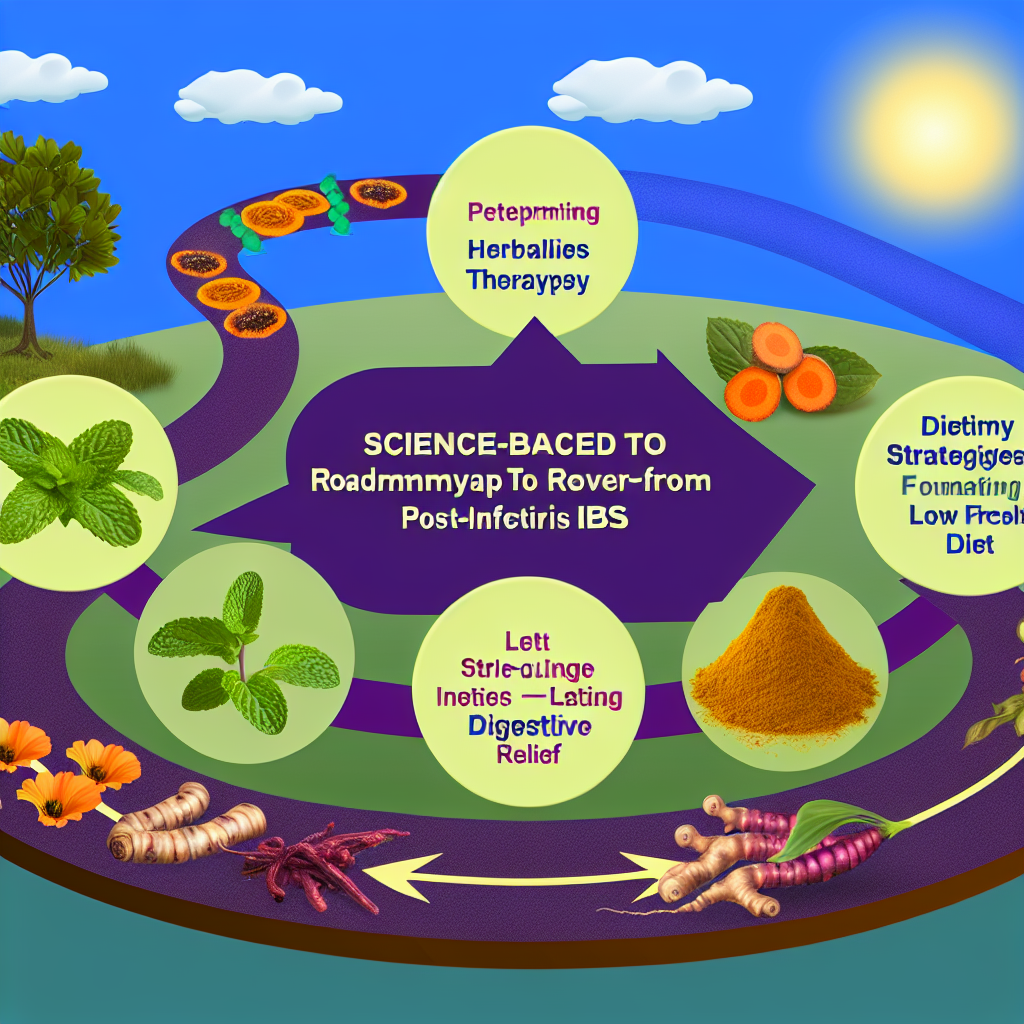
Recovery from PI-IBS involves more than just symptom suppression. A phased, root-cause approach guides the body through:
– Phase 1: Reduce inflammation and soothe the gut lining
– Phase 2: Rebalance the microbiome with targeted antimicrobials and prebiotics
– Phase 3: Repair the mucosal barrier and support digestive enzymes
– Phase 4: Re-regulate the gut-brain axis through nervine herbs, stress tools, and nervous system tonics
– Phase 5: Reintroduce foods strategically while supporting long-term diversity and resilience
Each phase offers evidence-backed strategies supported by research on botanicals, nutritional therapies, and biochemical mechanisms of gut regulation.
Evidence-Based Herbal Therapies
The use of herbs in treating gut issues isn’t new—it dates back millennia. Yet modern science continues to validate this traditional wisdom. Specific botanicals with anti-inflammatory, antimicrobial, and antispasmodic properties are effective tools in the PI-IBS healing toolkit.
Peppermint Oil (Mentha piperita)
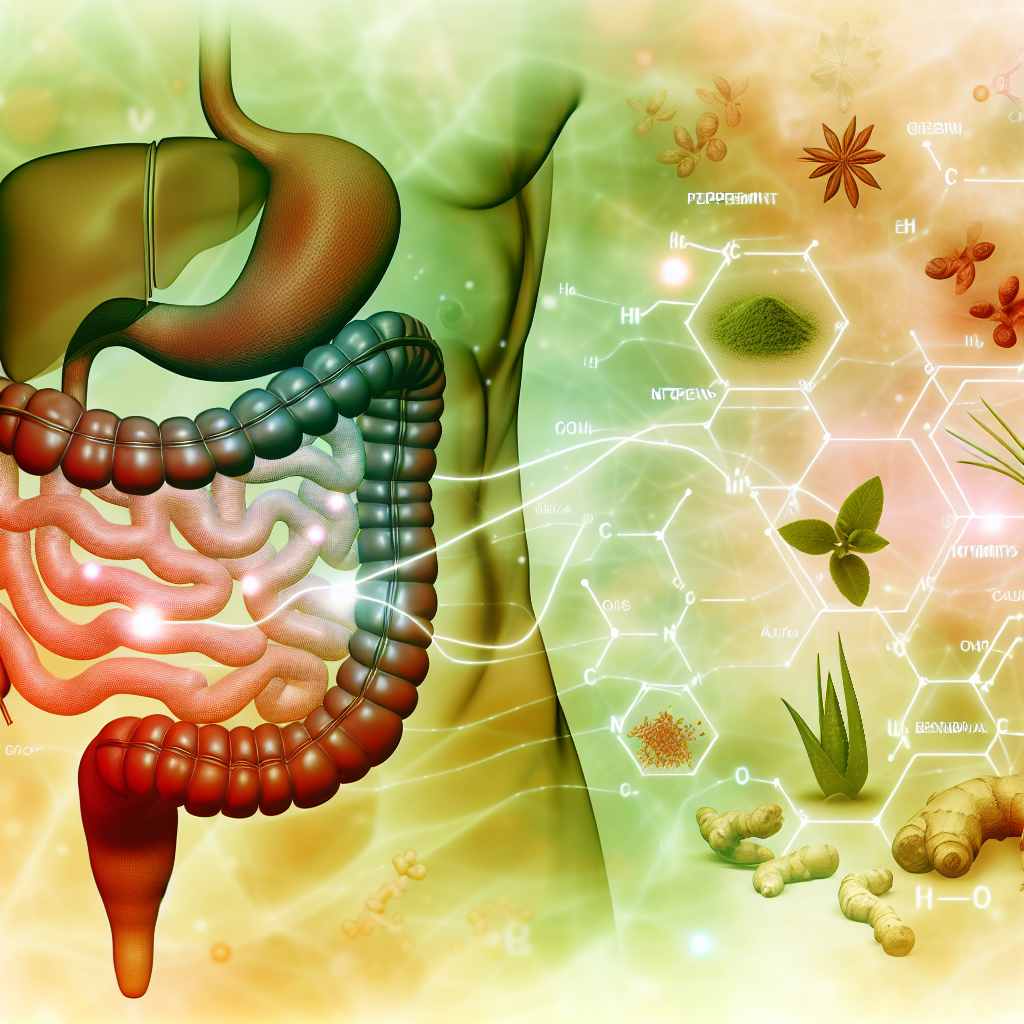
Peppermint oil is one of the most well-researched herbal therapies for IBS. Enteric-coated peppermint oil capsules help relieve abdominal pain and bloating by relaxing intestinal smooth muscle through calcium channel blocking and activation of the TRPM8 receptor.
A meta-analysis published in BMC Complementary Medicine and Therapies found peppermint oil significantly improved global symptoms compared to placebo ([Alammar et al., 2019](https://bmccomplementmedtherapies.biomedcentral.com/articles/10.1186/s12906-019-2434-3)).
Turmeric (Curcuma longa)
The active compound in turmeric, curcumin, is a potent modulator of inflammation. It helps calm immune responses, repair epithelial cells, and support tight junction proteins that prevent leaky gut. In animal and human studies, it lowered inflammatory cytokines and improved IBS symptoms ([Cox & Tough, 2013](https://bpspubs.onlinelibrary.wiley.com/doi/full/10.1111/bph.12603)).
Berberine
Derived from herbs such as goldenseal, Oregon grape, and coptis, berberine has shown to support microbiome balance, reduce diarrhea, and modulate gut motility. In a double-blind placebo-controlled trial, berberine significantly reduced symptoms in diarrhea-predominant IBS patients over eight weeks ([Zhou & Mineshita, 2015](https://onlinelibrary.wiley.com/doi/abs/10.1002/ptr.5444)).
Targeted Nutrition and Dietary Strategies
Low FODMAP Diet
Developed by Monash University, the low FODMAP diet is a proven short-term tool to lower bloating and GI overactivity by reducing fermentable carbs. Yet, long-term use risks starving important bacteria.
Thus, it is important to phase the diet:
– Begin with elimination (4–6 weeks)
– Reintroduce FODMAP groups carefully
– Restore diversity with fiber-rich prebiotics like partially hydrolyzed guar gum
Explore more at [Monash University](https://www.monashfodmap.com).
Supportive Nutrients and Compounds
– Butyrate: A postbiotic short-chain fatty acid, crucial for healing colon cells and regulating inflammation. Produced naturally by gut fermentation of prebiotic fiber.
– L-glutamine: An amino acid that supports intestinal cell repair and mucosal integrity. Often used in gut-healing protocols.
– Zinc carnosine: Enhances mucosal restoration and immune modulation.
– Partially hydrolyzed guar gum (PHGG): Enhances beneficial bacterial growth, helps normalize stool, and is better tolerated than other fibers.
Studies like [Tan et al. (2014)](https://www.ncbi.nlm.nih.gov/pmc/articles/PMC4367209/) have confirmed the central role of butyrate and other SCFAs in gut repair and immune balancing.
Nervous System Regulation and Stress Relief
One of the most chronic drivers of PI-IBS is heightened visceral sensitivity—the gut “overreacts” to normal stimuli. Restoring balance in the gut-brain axis means calming the nervous system.
This includes:
– Adaptogenic herbs: Ashwagandha, holy basil, and rhodiola help moderate cortisol and protect against stress-induced inflammation.
– Nervines: Herbs like lemon balm, chamomile, and passionflower encourage relaxation and vagal nerve tone.
– Mind-body practices: Meditation, somatic therapy, breathwork, and yoga retrain nervous system responses over time.
Conclusion
Recovering from post-infectious IBS isn’t straightforward, but it is absolutely achievable with the right plan. A personalized, phased strategy that integrates herbal therapy, nutritional support, and nervous system regulation helps correct the underlying imbalances driving symptoms. Botanicals like peppermint oil, curcumin, and berberine offer powerful natural answers, while tools like the phased low FODMAP diet and postbiotic supplements support microbiome rebuilding. With patience, persistence, and science-based choices, lasting gut calm can become a reality.
References
– [Spiller, R. C., et al. (2000). Gut. 47(6), 804-811.](https://gut.bmj.com/content/47/6/804)
– [Alammar, N., et al. (2019). BMC Complementary Medicine and Therapies. 19, 21.](https://bmccomplementmedtherapies.biomedcentral.com/articles/10.1186/s12906-019-2434-3)
– [Cox, H. M., & Tough, I. R. (2013). British Journal of Pharmacology. 171(13), 3426–3436.](https://bpspubs.onlinelibrary.wiley.com/doi/full/10.1111/bph.12603)
– [Zhou, H., & Mineshita, S. (2015). Phytotherapy Research. 29(11), 1845-1850.](https://onlinelibrary.wiley.com/doi/abs/10.1002/ptr.5444)
– [Monash University. The Low FODMAP Diet](https://www.monashfodmap.com)
– [Tan, J., et al. (2014). Advances in Immunology. 121, 91-119.](https://www.ncbi.nlm.nih.gov/pmc/articles/PMC4367209/)
Concise Summary
Post-infectious IBS (PI-IBS) affects many after acute gut infections, driven by lingering inflammation and disrupted microbiota. A phased recovery plan—including anti-inflammatory herbs like peppermint, turmeric, and berberine, gut-healing nutrients such as butyrate and glutamine, and dietary changes like a low FODMAP protocol—supports lasting healing. This roadmap targets the root causes: inflammation, dysbiosis, barrier breakdown, and gut-brain axis dysfunction. With evidence-based natural inputs and stress-management tools, patients can gradually restore digestive health and find long-term relief from the chronic symptoms of PI-IBS.

Dominic E. is a passionate filmmaker navigating the exciting intersection of art and science. By day, he delves into the complexities of the human body as a full-time medical writer, meticulously translating intricate medical concepts into accessible and engaging narratives. By night, he explores the boundless realm of cinematic storytelling, crafting narratives that evoke emotion and challenge perspectives.
Film Student and Full-time Medical Writer for ContentVendor.com