Unlocking the Gut’s Hidden Pharmacy: Harnessing Neurotransmitter Pathways for Advanced Digestive Repair
Introduction
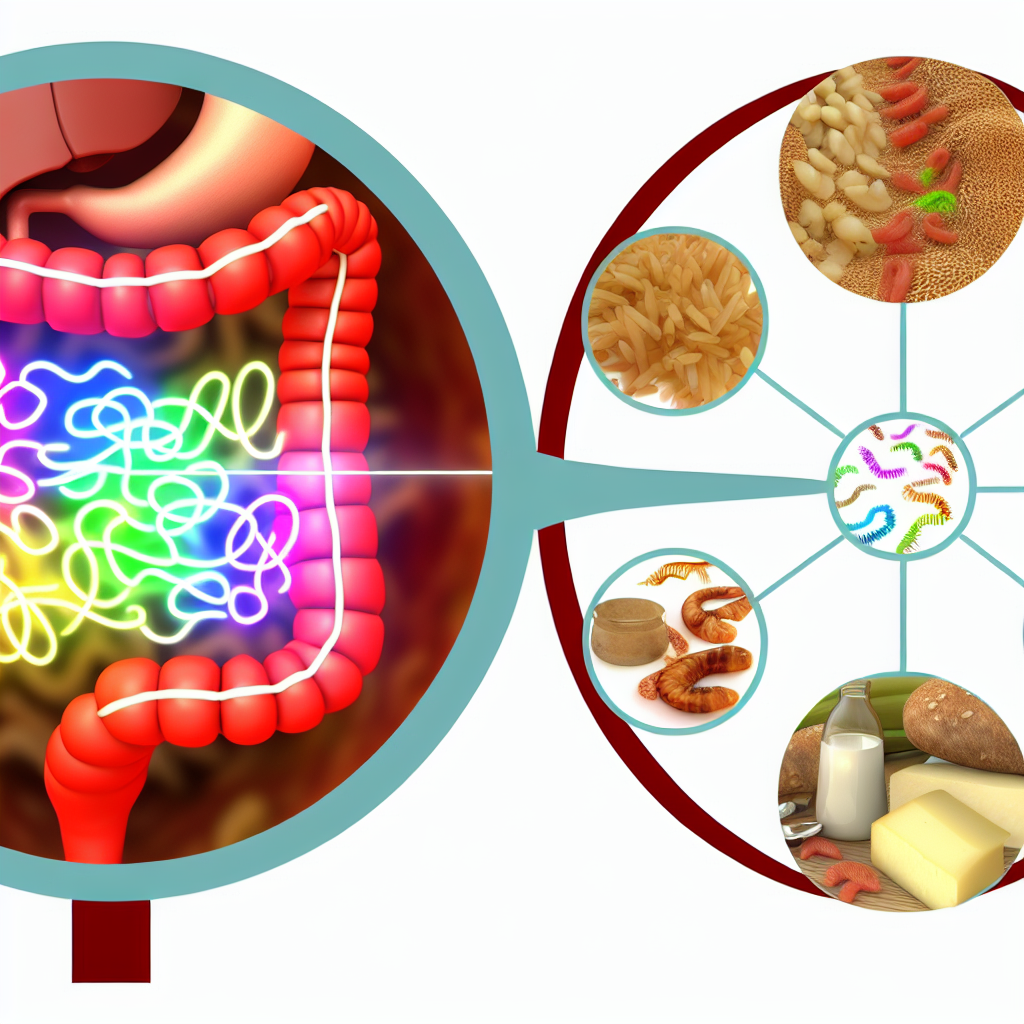
The human **gut** is often referred to as the **”second brain”** due to its complex network of neurons and **neurotransmitters** that interact with our **central nervous system**. This intricate relationship highlights the gut’s profound impact on our overall health. With rising concerns about **digestive disorders**, from **IBS** to **chronic gastritis**, it’s no wonder that individuals are increasingly seeking natural solutions. The key may lie in harnessing the gut’s hidden pharmacy—its **neurotransmitter pathways**—for advanced **digestive repair**.
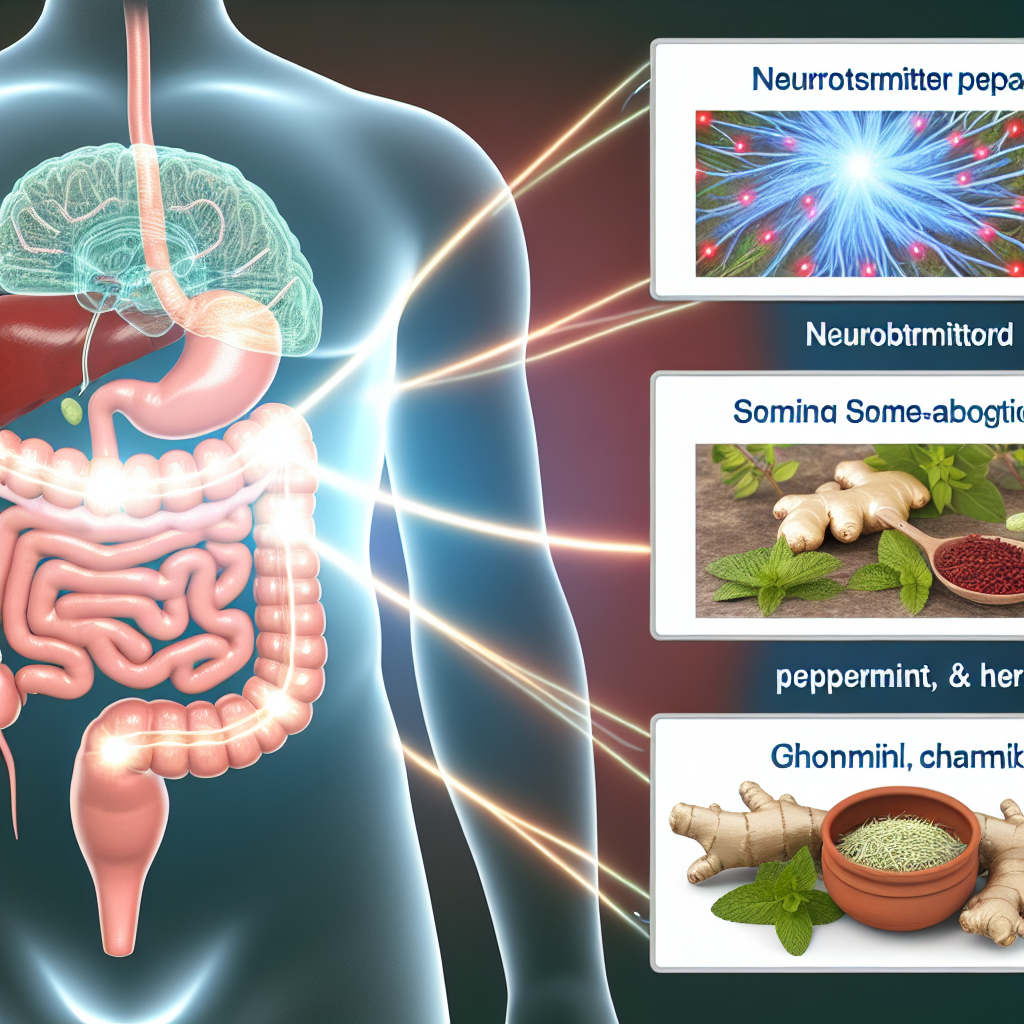
Recent scientific exploration has uncovered that the gut does more than just digest food and extract nutrients. It’s a dynamic environment that produces a range of neurotransmitters, including **serotonin**, **dopamine**, and **gamma-aminobutyric acid (GABA)**, which play crucial roles in **mood regulation**, **pain sensation**, and even **gastrointestinal motility**. Approximately 90% of the body’s serotonin is housed in the gut, underscoring its vital role in gut health. The **gut-brain axis**—a bidirectional communication system between the gut and brain—facilitates their interaction, allowing neurotransmitters to influence not only mental health but digestive health as well.
Harnessing the potential of natural cures and herbal treatments can optimize these neurotransmitter pathways, paving the way for improved gut health. Ingredients like **prebiotics** and **probiotics** have shown promise in modulating the **gut microbiome** and enhancing neurotransmitter production. Herbal remedies such as **ginger**, **peppermint**, and **chamomile** have been traditionally used for digestive health, with studies now validating their efficacy through the lens of neurotransmitter activity.
Unlocking the gut’s hidden pharmacy means more than just applying temporary fixes; it involves a holistic approach that includes dietary adjustments and stress management techniques. Through mindful lifestyle changes and utilizing plant-based alternatives, individuals can embark on a journey of repairing and enhancing gut health, powered by the body’s natural chemistry.
Features
The exploration of neurotransmitter pathways for gut health has been a significant focus in recent medical studies. For instance, research published in the journal [*Nature Microbiology*](https://www.nature.com/articles/nmicrobiol) has highlighted the role of the **gut microbiota** in producing neurotransmitters that affect the brain and digestive system. This study underscores how certain probiotics can influence serotonin levels, thus improving mood and alleviating symptoms of gastrointestinal disorders.
Another study in [*Frontiers in Psychiatry*](https://www.frontiersin.org/articles/10.3389/fpsyt.2022.00022/full) discusses the gut-brain axis in the context of neurological and digestive diseases, suggesting that interventions targeting this complex network could yield promising therapeutic avenues. These findings lend credence to the idea that modulating neurotransmitter pathways can affect both mental and digestive health.
Herbal treatments have also been a part of these revelations. **Ginger**, well-known for its anti-inflammatory properties, has been shown to stimulate digestive motility and may increase serotonin receptor activity, according to research from the [*Journal of Agricultural and Food Chemistry*](https://pubs.acs.org/doi/abs/10.1021/jf203748b). **Peppermint** has been studied for its capacity to interact with **GABA pathways**, reducing pain and discomfort commonly associated with IBS, as noted in research from the [*Journal of Clinical Gastroenterology*](https://journals.lww.com/jcgs). **Chamomile**, too, is celebrated for its soothing properties and potential to facilitate digestion, as documented in several studies examining its **anxiolytic effects** which may in turn promote a healthy gut environment.
The integration of these natural remedies into daily life, alongside a balanced diet rich in prebiotics found in foods like **garlic**, **onions**, and **bananas**, can bolster gut microbiota diversity. This diversity supports optimal neurotransmitter production, contributing to an overall enhancement of gut health.
Conclusion
Unlocking the gut’s hidden pharmacy requires a careful balance of natural interventions and lifestyle modifications. By understanding and optimizing neurotransmitter pathways through natural means, individuals can work toward not only alleviating digestive issues but also enhancing overall well-being. While science continues to unravel the intricacies of the gut-brain axis, embracing natural cures and herbal treatments offers a promising frontier for advanced digestive repair. As we deepen our understanding of the gut’s remarkable capacity to heal itself through its neurotransmitter pathways, we move closer to achieving holistic health naturally.
**Concise Summary:**
Understanding the gut’s neurotransmitter pathways offers promising pathways for advanced digestive repair and overall well-being. Key neurotransmitters, such as serotonin and dopamine, play crucial roles in mood and gastrointestinal function. Natural solutions, including prebiotics, probiotics, and herbal remedies like ginger and chamomile, can enhance gut health by optimizing these pathways. By balancing natural interventions with lifestyle changes, individuals can harness the gut’s potential to naturally improve both mental and digestive health. Studies underscore the link between gut microbiota and neurotransmitter production, highlighting natural remedies’ critical role in holistic health.

Dominic E. is a passionate filmmaker navigating the exciting intersection of art and science. By day, he delves into the complexities of the human body as a full-time medical writer, meticulously translating intricate medical concepts into accessible and engaging narratives. By night, he explores the boundless realm of cinematic storytelling, crafting narratives that evoke emotion and challenge perspectives.
Film Student and Full-time Medical Writer for ContentVendor.com