Why 70% of ‘Gut Protocols’ Fail: The Missing Role of Mitochondrial Bioenergetics in GI Repair
Introduction
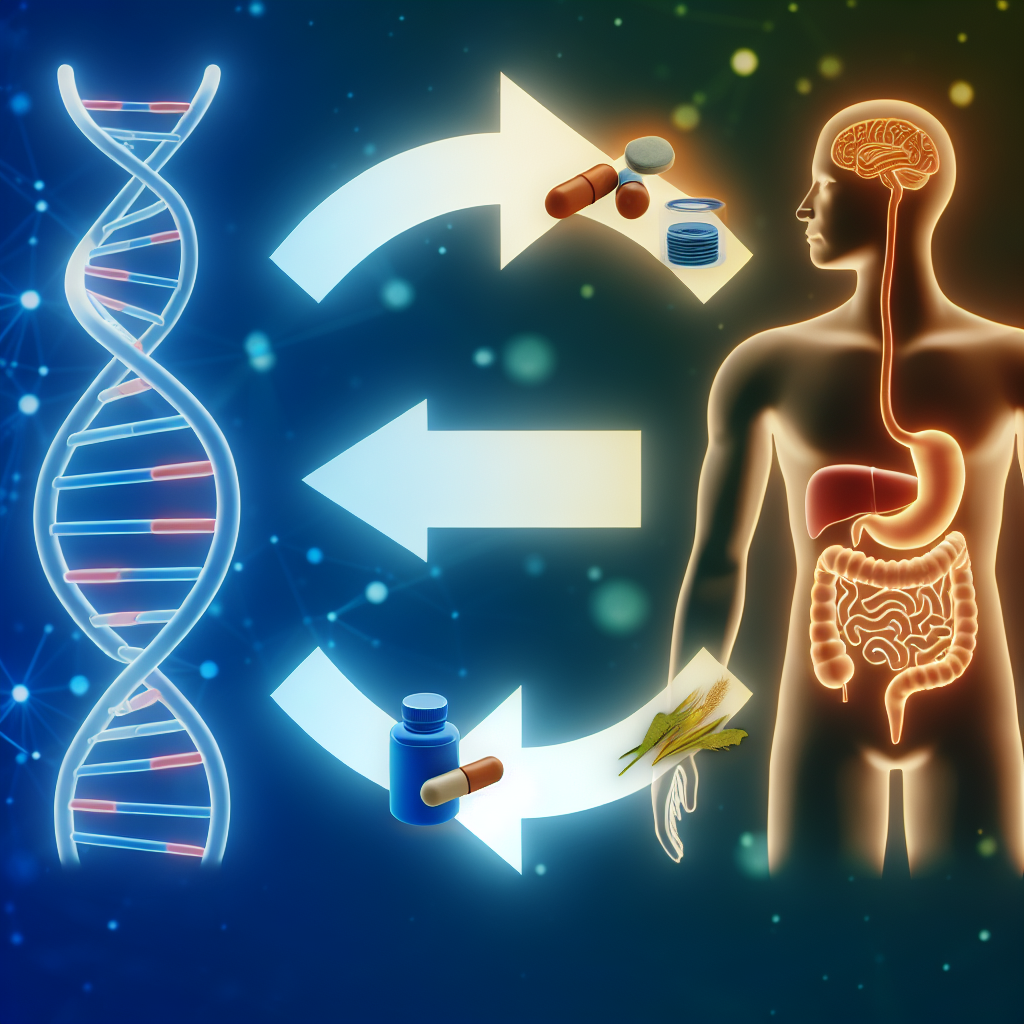
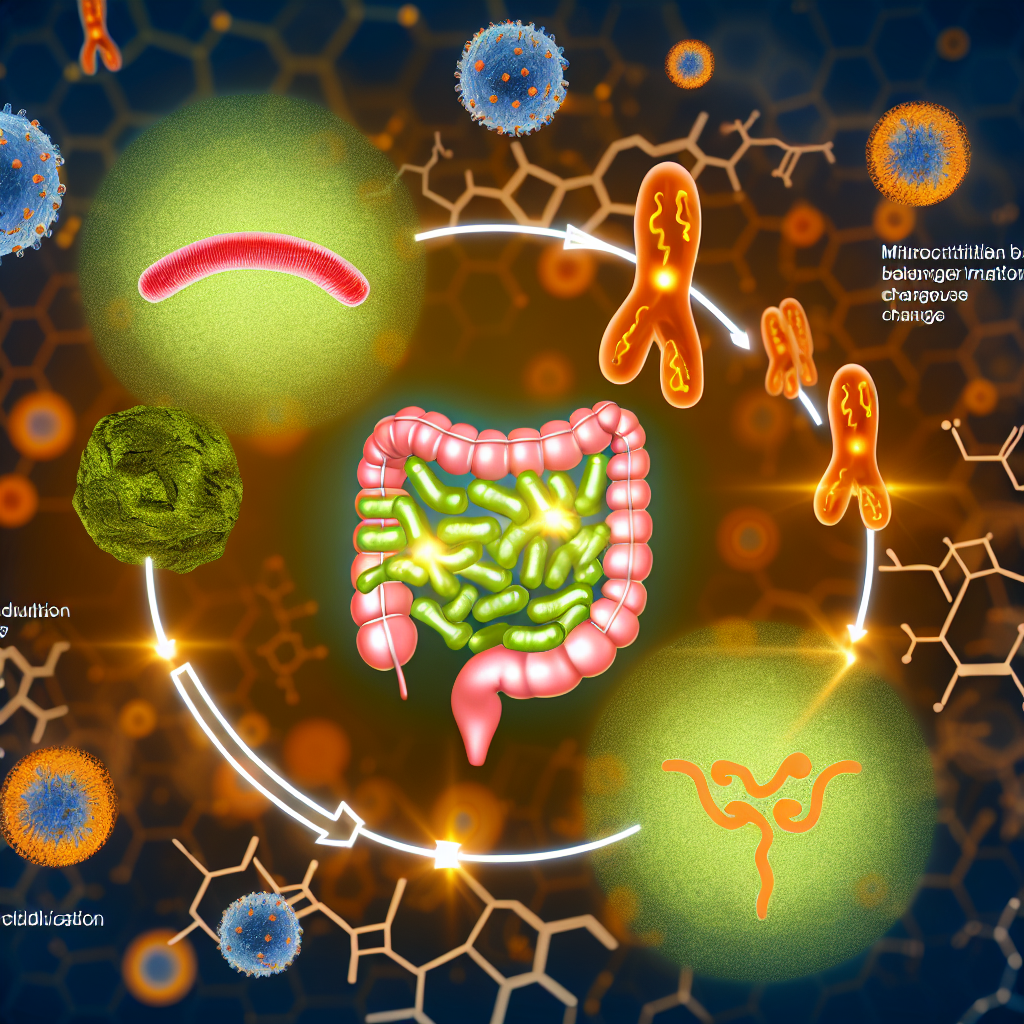
In recent years, **gut health** has garnered significant interest as it impacts digestion, immunity, and mental well-being. The gut microbiota, a large ecosystem of bacteria, is crucial for nutrient absorption. Yet, modern lifestyles—poor diet, stress, and excessive antibiotic use—impair gut health, prompting the adoption of various protocols for gastrointestinal repair. However, 70% of these **gut protocols** fail. One overlooked factor is the role of **mitochondrial bioenergetics** in gut integrity. Mitochondria, known as the cell’s powerhouses, supply energy for cellular processes, including repair and regeneration. Declines in mitochondrial function hamper gut cell regeneration, leading to **leaky gut**, **SIBO**, and **IBS**. While traditional protocols focus on microbiome balance, they often miss addressing the cellular energy needed for repair, explaining their high failure rate. Incorporating mitochondrial health strategies is crucial for effective gut repair and maintenance.
Features
Emerging research highlights **mitochondrial bioenergetics** as critical in gastrointestinal health. However, conventional protocols rarely consider this aspect. A study in the [Journal of Gastroenterology](https://www.springer.com/journal/535) showed enhancing mitochondrial function through nutrients boosts gut barrier integrity. Another study in [Nature Reviews Gastroenterology & Hepatology](https://www.nature.com/nrgastro/) links mitochondrial dysfunction to GI disorders, emphasizing therapies for mitochondrial performance alongside traditional treatments.
Natural compounds supporting mitochondrial function include **Coenzyme Q10 (CoQ10)**, essential in the electron transport chain, enhancing energy production and reducing stress. A [BioFactors](https://onlinelibrary.wiley.com/journal/18728221) trial showed CoQ10 boosts mitochondrial activity. **N-acetylcysteine (NAC)** and **alpha-lipoic acid** offer antioxidant protection, improving mitochondrial function.
Beyond supplementation, lifestyle interventions matter. Regular exercise promotes mitochondrial biogenesis, as shown in the [American Journal of Physiology](https://journals.physiology.org/journal/ajp), where moderate activity increases proteins that enhance bioenergetics and cellular health.
Dietary changes, like consuming **polyphenol-rich** foods, support mitochondria. Compounds like **resveratrol** and **curcumin** improve mitochondrial function, as published in [Cell Metabolism](https://www.cell.com/cell-metabolism/home).
Conclusion
Acknowledging mitochondrial bioenergetics’ vital role in gut repair transforms our approach to GI health. While traditional protocols emphasize microbiome and diet balance, integrating strategies for mitochondrial enhancement could significantly boost success rates. Supporting mitochondria through supplements, lifestyle shifts, and dietary tweaks empowers gut cell repair and regeneration. Addressing this overlooked aspect of gut health offers a more comprehensive path to GI wellness.
Concise Summary
Despite widespread use of various gut health protocols, 70% fail due to neglect of mitochondrial bioenergetics, which are crucial for cellular repair in the gut. Traditional approaches focus on microbiome and dietary changes but often miss enhancing mitochondrial function. New insights stress incorporating strategies targeting mitochondrial health using supplements like CoQ10 and lifestyle changes such as exercise and polyphenolic diets. Addressing this bioenergetic aspect could improve the success rate of gut health protocols, providing a comprehensive pathway for gastrointestinal wellness.

Dominic E. is a passionate filmmaker navigating the exciting intersection of art and science. By day, he delves into the complexities of the human body as a full-time medical writer, meticulously translating intricate medical concepts into accessible and engaging narratives. By night, he explores the boundless realm of cinematic storytelling, crafting narratives that evoke emotion and challenge perspectives.
Film Student and Full-time Medical Writer for ContentVendor.com