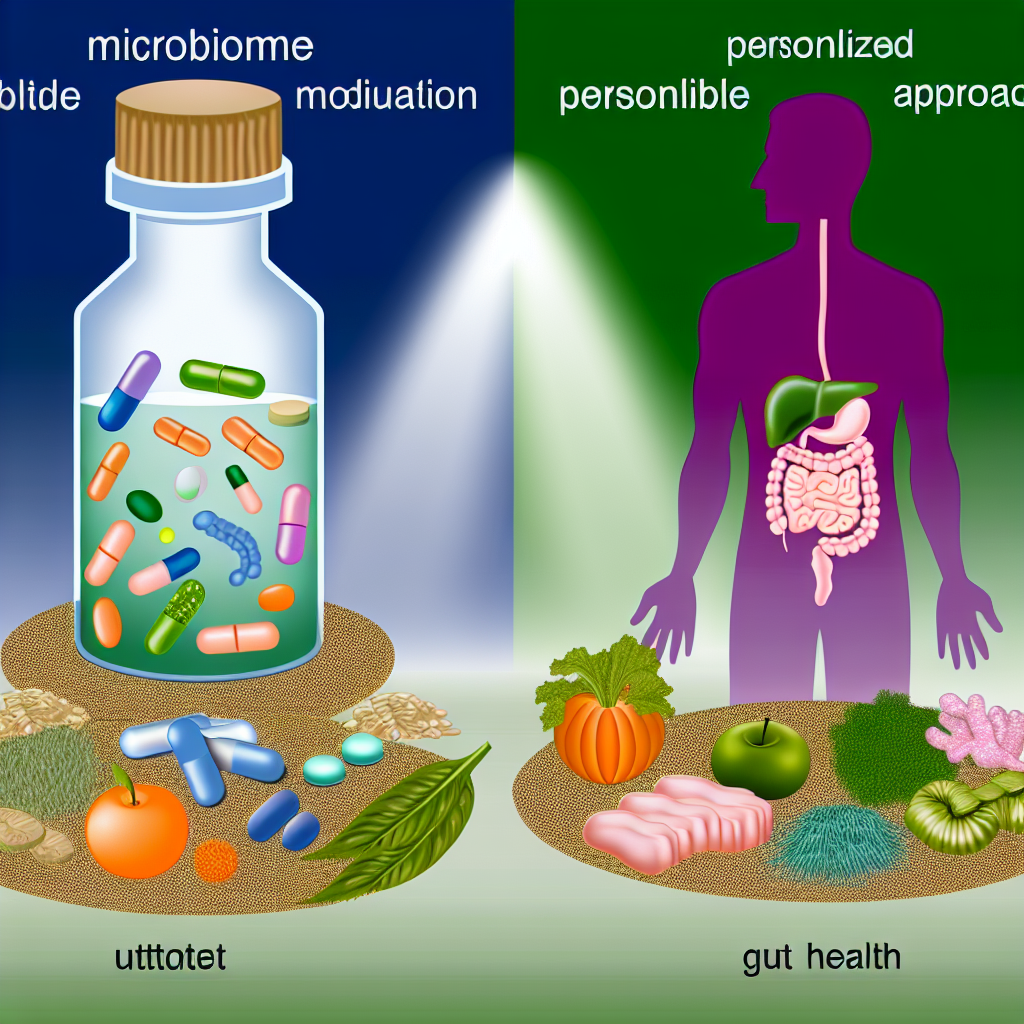
Why “Gut Detox” Is Obsolete: The Rise of Microbiome Modulation Protocols for Bioindividual Inflammation States
Introduction
In an era where “detoxing” has become a buzzword, the concept of **gut detox** has gained significant popularity. Many individuals swear by juice cleanses, fasting, and restrictive diets as cures for bloating, digestive discomfort, and overall gut health. However, recent research indicates that these practices may not be as effective as once thought. In fact, they might even be outdated. As science evolves, the focus is shifting from traditional detox methods to a more nuanced understanding of **gut health**: **microbiome modulation**.
The human gut is home to trillions of microorganisms—collectively known as the **gut microbiome**—that play a crucial role in digestion, immunity, and even mental health. Instead of temporarily “flushing out toxins,” modern approaches emphasize long-term strategies to balance this intricate ecosystem sustainably. This innovative method, known as **microbiome modulation**, focuses on understanding and manipulating the microbiome for improved health outcomes.
One of the key insights fueling this transition is the recognition that gut health dysregulation often stems from **inflammation**, specific to each individual’s biochemistry—a concept known as **bioindividual inflammation states**. Unlike a one-size-fits-all detox plan, microbiome modulation offers personalized protocols that take into account the unique microbial makeup of each person. By doing so, it addresses the root causes of inflammation rather than providing symptomatic relief.
The pivot towards microbiome modulation represents a paradigm shift in gut health, acknowledging the complexity of our internal ecosystems and the necessity of personalized approaches. This article delves into the reasons why traditional gut detox strategies are becoming obsolete and how bioindividual strategies promise a more effective and tailored solution for gut health.
Features
Recent studies underscore the limitations of traditional detox methods, highlighting their short-term effects and lack of scientific backing. The gut microbiome’s complexity means that simply flushing out contents can disrupt its delicate balance, potentially harming the beneficial bacteria necessary for optimal health. A study published in [Nature Reviews Gastroenterology & Hepatology](https://www.nature.com/articles/s41575-019-0174-7) emphasized that, while detox diets may lead to temporary weight loss or bloating relief, they fail to offer any significant long-term benefits to gut health (Turnbaugh et al., 2020).
Conversely, microbiome modulation is grounded in extensive research demonstrating the relationship between gut bacteria and various health conditions, including inflammatory diseases. A landmark study by [Voreades et al. (2014)](https://academic.oup.com/jn/article/144/5/569/4577443), published in “The Journal of Nutrition,” examined how diet-induced changes in the microbiome could address inflammation at an individual level. The study found that diet personalization based on microbiome composition could more effectively reduce inflammation markers than generic dietary recommendations.
Moreover, the concept of **bioindividual inflammation states** is gaining traction, urging practitioners to consider how individual variations in gut microbiota affect inflammatory responses. The **œuobiotic state**, a term coined by researchers like Khanna and Tosh (2021), refers to an individual’s optimal microbial balance that supports health. By targeting specific strains and fostering an environment that encourages beneficial bacteria while suppressing harmful ones, personalized microbiome modulation offers a precise method to address inflammation.
The work of renowned researcher [Dr. Justin Sonnenburg](https://www.penguin.com.au/books/the-good-gut-9780143108085) illustrates how dietary interventions can reshape the microbiome, emphasizing fiber-rich diets and probiotics as critical tools for modulation (Sonnenburg & Sonnenburg, 2019). His research suggests that such interventions can promote beneficial bacterial growth, enhancing gut barrier function and reducing systemic inflammation.
Conclusion
While traditional gut detox methods continue to appeal to those seeking quick fixes, the rise of microbiome modulation presents a more sustainable and effective approach to gut health. By focusing on **bioindividual inflammation states** and leveraging cutting-edge research, this method offers tailored strategies that address the unique needs of each person’s microbial ecosystem. As our understanding of the gut microbiome deepens, it becomes increasingly clear that lasting gut health is achieved not through temporary detoxes, but through the personalized, science-backed modulation of our internal bacterial communities.
References
[Voreades, N., et al. (2014). “Diet and the development of the human intestinal microbiome.” The Journal of Nutrition](https://academic.oup.com/jn/article/144/5/569/4577443)
[Khanna, S., & Tosh, P. K. (2021). “A clinician’s primer on the role of the microbiome in human health and disease.” Mayo Clinic Proceedings](https://www.mayoclinicproceedings.org/article/S0025-6196(20)31467-1/fulltext)
[Sonnenburg, J. L., & Sonnenburg, E. D. (2019). “The good gut: Taking control of your weight, your mood, and your long-term health.” Penguin Books](https://www.penguin.com.au/books/the-good-gut-9780143108085)
[Turnbaugh, P. J., et al. (2020). “The beneficial gut microbiota.” Nature Reviews Gastroenterology & Hepatology](https://www.nature.com/articles/s41575-019-0174-7)
Concise Summary
The traditional concept of **gut detox** is becoming outdated, making way for **microbiome modulation**, a personalized approach tailored to **bioindividual inflammation states**. Instead of relying on generic detox methods that may disrupt the delicate balance of the **gut microbiome**, this approach emphasizes long-term adjustments based on extensive research, addressing specific inflammatory markers and promoting beneficial bacterial growth. By targeting unique microbial compositions, microbiome modulation offers a sustainable, effective solution for improving gut health, marking a significant paradigm shift from traditional practices.

Dominic E. is a passionate filmmaker navigating the exciting intersection of art and science. By day, he delves into the complexities of the human body as a full-time medical writer, meticulously translating intricate medical concepts into accessible and engaging narratives. By night, he explores the boundless realm of cinematic storytelling, crafting narratives that evoke emotion and challenge perspectives.
Film Student and Full-time Medical Writer for ContentVendor.com