Why Low-Bile States Are the Missing Link in Chronic Gut Dysfunction And Why Nobody’s Talking About It
Introduction
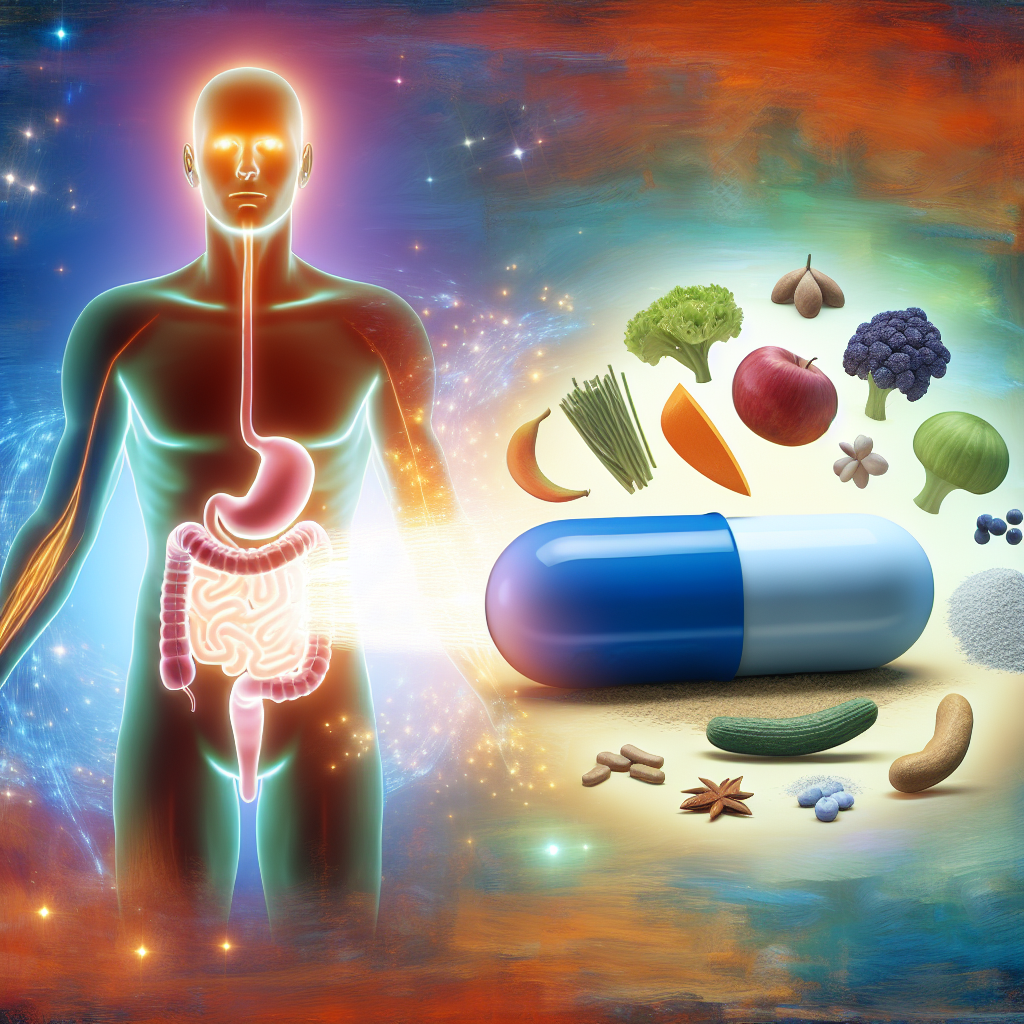
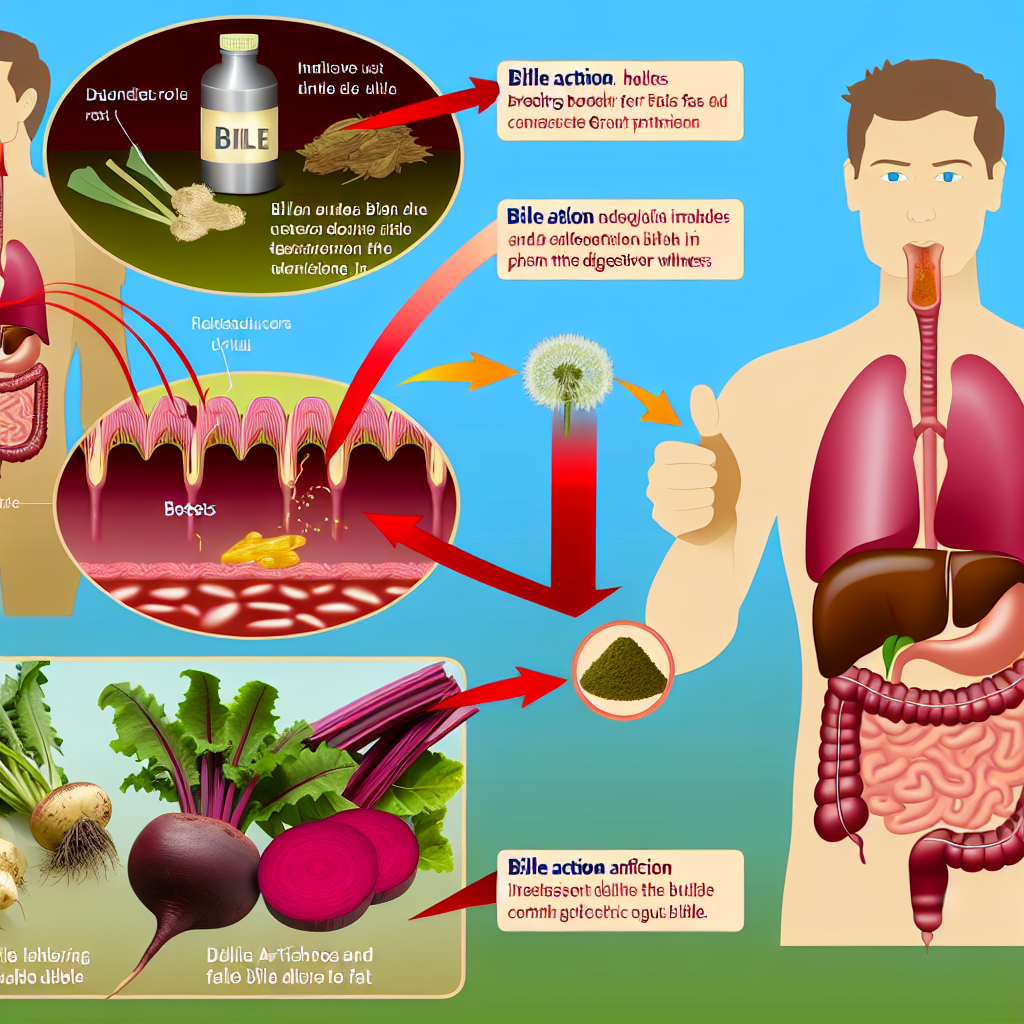
In the ever-evolving landscape of **gut health**, one crucial element often goes unnoticed: **bile**. While the conversation frequently revolves around **probiotics**, **fiber**, and **gut flora**, bile—produced by the liver—is quietly orchestrating a symphony of digestive processes vital for maintaining a healthy gastrointestinal system. Bile’s primary role is to emulsify **fats** and facilitate the absorption of **fat-soluble vitamins** such as A, D, E, and K. Additionally, it plays a critical part in eliminating waste products from the liver and inhibiting the overgrowth of harmful bacteria in the gut.
Low-bile states, or **bile deficiency**, can be a hidden factor contributing to chronic gut dysfunction. This can occur due to various reasons, including **liver disease**, **gallbladder removal**, or even poor dietary habits. A decrease in bile production affects digestion, particularly the breakdown of fats, and can lead to **nutrient malabsorption**, **inflammation**, and increased permeability of the gut lining—known as “**leaky gut**.” This condition can manifest symptoms like bloating, indigestion, diarrhea, and nutrient deficiencies, often attributed to other digestive issues.
Despite the significant role bile plays in gut health, it remains underrepresented in general discussions. Many individuals seeking relief from chronic digestive problems may overlook this pivotal factor, instead pursuing common remedies without understanding the root cause of their distress. This lack of awareness underscores the importance of bringing bile’s role to the forefront, encouraging both individuals and healthcare providers to consider bile function in their diagnostic and treatment approaches.
Understanding the impact of low-bile production is crucial not only for immediate relief of symptoms but also for long-term gut health. By exploring natural and herbal remedies that support bile production and flow, individuals can unlock a new realm of digestive wellness, potentially resolving chronic issues that have long evaded explanation. This article delves into this overlooked aspect of gut health and highlights how enhancing bile production may be the key to resolving chronic digestive dysfunction.
Features
The importance of bile in gut health is supported by emerging research that highlights the extensive impact of **bile acids** on the digestive system and microbiome. A study published in the “[Journal of Lipid Research](https://www.jlr.org/)” explores the complex signaling roles that bile acids play in the gut, influencing not only lipid metabolism but also glucose homeostasis and immune function. This study suggests that bile acids act as regulatory molecules affecting intestinal flora composition and gut barrier function, both critical components in maintaining healthy digestion.
Furthermore, research outlined in the “[World Journal of Gastroenterology](https://www.wjgnet.com/)” reveals that bile acids can significantly alter the gut microbiota’s composition, inhibiting the growth of pathogenic bacteria while promoting the proliferation of beneficial species. This microbial balance is vital for maintaining gut health and preventing **dysbiosis**—a condition linked to numerous digestive disorders, including **irritable bowel syndrome (IBS)** and **inflammatory bowel diseases (IBD)**.
For individuals experiencing low-bile states, increasing bile production through dietary and herbal interventions may alleviate symptoms associated with bile deficiency. Foods such as beets, radishes, and artichokes are known for their **choleretic properties**—stimulating bile production and flow. Herbal remedies like **dandelion root**, **milk thistle**, and **turmeric** also support liver function and bile secretion. A study in the “[Herbal Medicine: Biomolecular and Clinical Aspects](https://www.ncbi.nlm.nih.gov/pmc/articles/PMC7156056/)” outlines how these herbs can play a significant role in enhancing liver and gallbladder function, further supporting the digestive system.
Incorporating these natural elements can potentially reverse the damage caused by low bile and restore digestive harmony. However, it is important to consult with a healthcare professional before starting any new dietary or herbal regimen, especially for individuals with underlying health conditions or those already on medication.
Conclusion
Recognizing the significant yet often overlooked role of bile in gut health is crucial for understanding and resolving chronic gut dysfunction. By acknowledging low-bile states as a contributing factor to digestive issues, individuals can take a more informed and holistic approach to their health. Natural dietary and herbal strategies offer promising avenues to support bile production and overall digestive function. As awareness grows, so too does the potential to unlock lasting relief from persistent digestive ailments by addressing this essential but understated element of gut health management.
References
1. “Bile acids as regulatory molecules.” [Journal of Lipid Research](https://www.jlr.org/).
2. “Impact of bile acids on gut flora and barrier function.” [World Journal of Gastroenterology](https://www.wjgnet.com/).
3. “Role of herbs in enhancing bile production.” [Herbal Medicine: Biomolecular and Clinical Aspects](https://www.ncbi.nlm.nih.gov/pmc/articles/PMC7156056/).
Concise Summary
In the pursuit of digestive wellness, bile’s often-overlooked role is paramount. This article uncovers how low-bile states, often caused by liver disorders, gallbladder removal, or poor diet, contribute to chronic gut dysfunction. By emphasizing the importance of bile in emulsifying fats, supporting vitamin absorption, and maintaining gut microbiota balance, it underscores the need for public awareness. Through dietary and herbal remedies like beets, artichokes, and dandelion root, individuals can enhance bile production, resolving chronic issues. Consultations with healthcare professionals are advised to ensure these approaches complement current medical practices.

Dominic E. is a passionate filmmaker navigating the exciting intersection of art and science. By day, he delves into the complexities of the human body as a full-time medical writer, meticulously translating intricate medical concepts into accessible and engaging narratives. By night, he explores the boundless realm of cinematic storytelling, crafting narratives that evoke emotion and challenge perspectives.
Film Student and Full-time Medical Writer for ContentVendor.com