Understanding the Core Impact of Gut Health
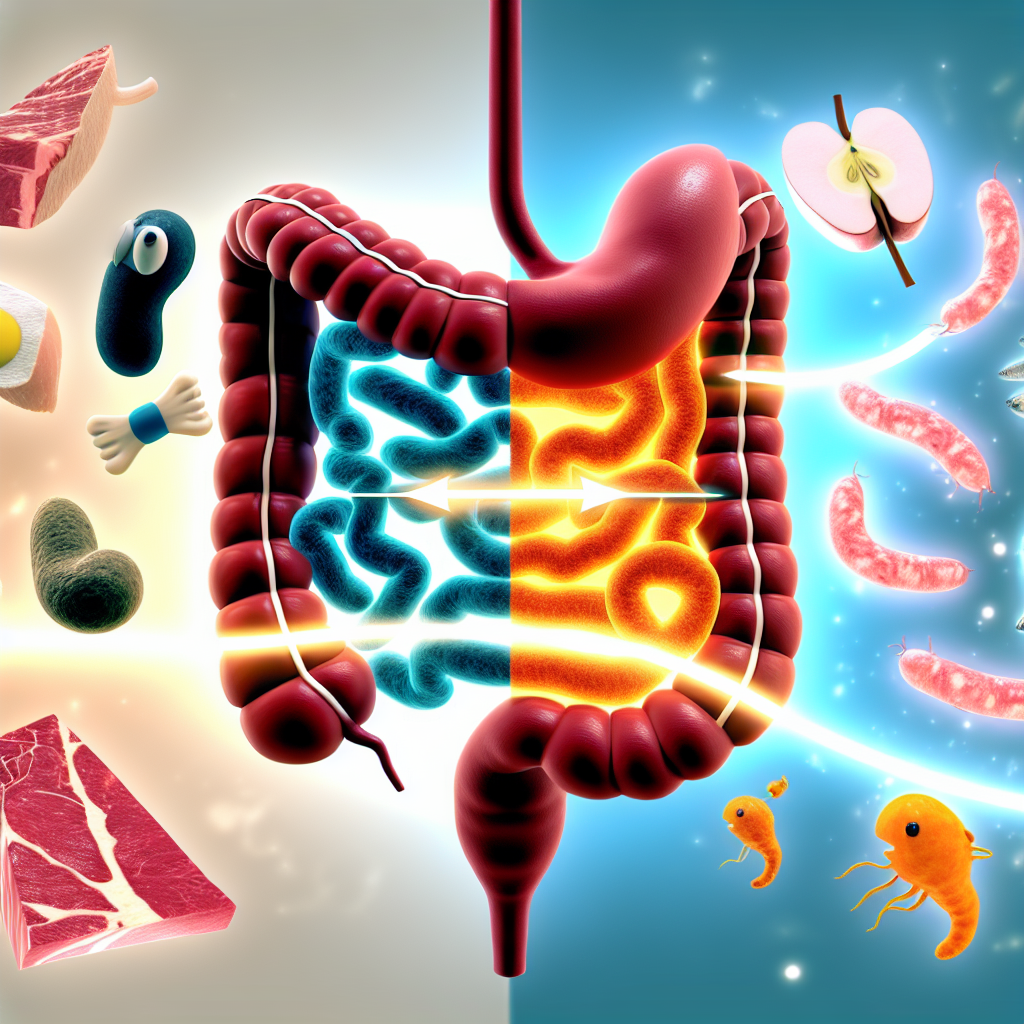
Gut health has emerged as a central topic in medical research and wellness discussions, reflecting its profound influence on physical and mental health. The gastrointestinal system serves as the body’s powerhouse for nutrient absorption and energy production while playing a vital role in immune defense and even mood regulation. A thriving gut microbiome community of bacteria, viruses, and fungi ensures optimal health, whereas imbalances, often referred to as dysbiosis, can lead to digestive disorders, immune dysfunction, and chronic illnesses.
Modern Lifestyle Impact on Gut Health
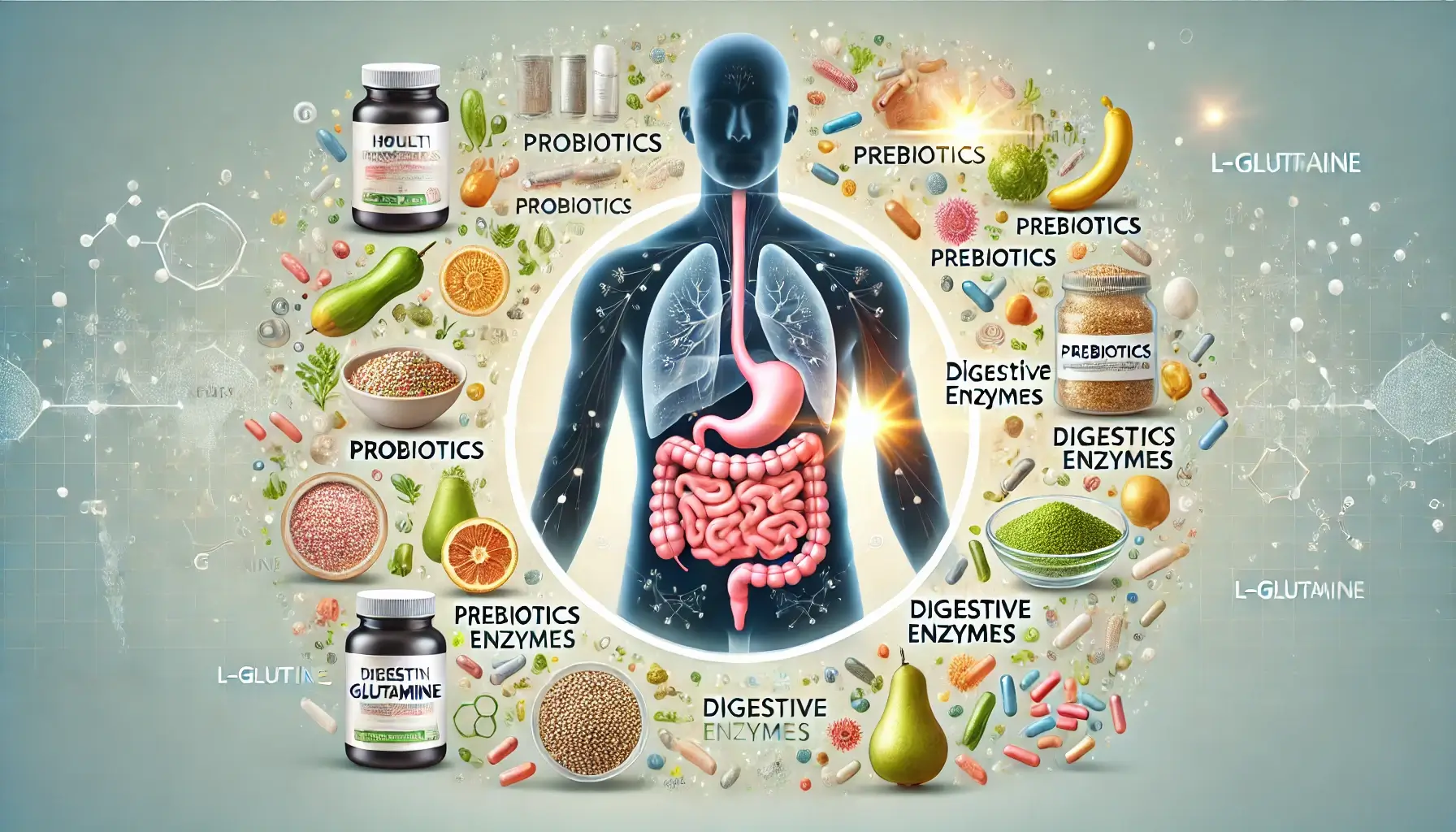
Modern lifestyles, characterized by processed foods, sedentary habits, and high stress levels, frequently disrupt gut equilibrium. This has led to a surge in the popularity of supplements targeting gut health. Products like probiotics, prebiotics, digestive enzymes, and L-glutamine promise to address common issues such as bloating, constipation, and nutrient malabsorption. However, not all supplements are created equal, and their effectiveness depends on scientific validation and tailored use.
Introduction to Gut Health Science
This article dives deep into the science of gut health supplements, offering readers a comprehensive guide to evidence-based options. By understanding how these supplements work, you can make informed decisions to enhance your digestive well-being and overall health.
Probiotics: Understanding Microbiome Balance
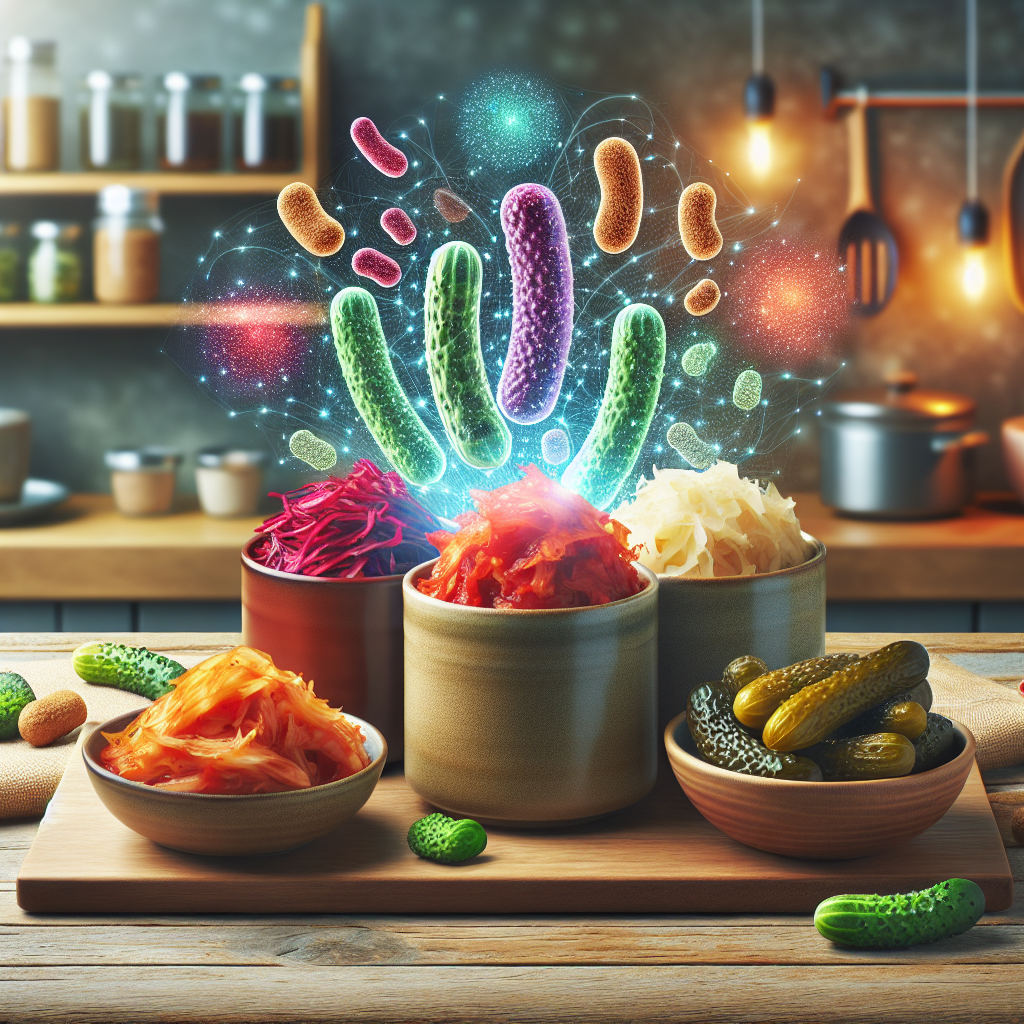
Probiotics are live microorganisms that confer health benefits when consumed in appropriate amounts. They are often used to replenish beneficial bacteria lost due to antibiotics or poor dietary habits. A 2016 meta-analysis in The American Journal of Gastroenterology highlighted their effectiveness in reducing the risk of antibiotic-associated diarrhea and managing conditions like irritable bowel syndrome (IBS). The study emphasized the importance of strain-specific formulations; for instance, Lactobacillus rhamnosus GG proved effective against diarrhea, while Bifidobacterium infantis alleviated IBS symptoms.
Prebiotics: Essential Nutrients for Gut Bacteria
Prebiotics, non-digestible fibers found in foods like garlic, onions, and bananas, act as fuel for beneficial bacteria. They enhance the growth and activity of probiotics, creating a symbiotic relationship. A 2020 review in Nutrients explored their potential to alleviate conditions such as constipation and inflammatory bowel disease. The findings suggested that prebiotics like inulin and fructooligosaccharides could improve gut microbiota composition, though individual responses varied. This underscores the importance of tailoring prebiotic supplementation to individual needs.
Digestive Enzymes: Breaking Down Complex Foods
Digestive enzymes are proteins that facilitate the breakdown of complex food molecules into absorbable nutrients. They are particularly beneficial for individuals with enzyme deficiencies or specific conditions like lactose intolerance. A 2017 review in The American Journal of Gastroenterology concluded that enzyme supplementation significantly improved symptoms in conditions like exocrine pancreatic insufficiency. However, the review also cautioned against indiscriminate use, advocating for personalized approaches based on specific deficiencies.
L-Glutamine: Supporting Intestinal Health
L-Glutamine, an amino acid found naturally in the body, is essential for maintaining the integrity of the intestinal lining. Research indicates that it helps reduce intestinal permeability, commonly known as leaky gut. A 2017 study in Clinical Nutrition demonstrated its effectiveness in critically ill patients, where supplementation reduced infection rates and improved gut barrier function. While promising, its role in non-critical populations requires further study.
Guidelines for Effective Supplement Usage
Choosing the right supplements involves careful consideration: Consult a Healthcare Professional: A doctor or dietitian can help identify deficiencies and recommend appropriate supplements. Focus on Quality: Opt for high-quality products from reputable brands with third-party testing. Match Supplements to Specific Needs: Different conditions require different interventions—e.g., probiotics for dysbiosis, digestive enzymes for malabsorption, or L-glutamine for gut barrier support. Monitor for Side Effects: Supplements can cause adverse effects in some individuals, such as bloating or diarrhea with high doses of prebiotics.
Final Insights on Gut Health Supplements
Gut health supplements offer targeted strategies to support digestive function and overall well-being. However, their efficacy depends on individual needs, quality, and proper usage. By consulting healthcare professionals, prioritizing evidence-based options, and adopting a holistic approach to digestive wellness, you can harness the power of these supplements effectively. With a focus on research-backed solutions, you can pave the way for a healthier and more balanced gut.
Scientific References
Ghorbani-Zahak, Z., Jafari, M., Mozaffari, S., Abdollahi, M., & Alizadeh-Nazarabadi, M. (2016). Probiotics for prevention of antibiotic-associated diarrhea: A systematic review and meta-analysis. The American Journal of Gastroenterology, 111(1), 207-216.
Gibson, G. R., Huttenhower, C., Sanders, K. E., Ley, R. E., Guarner, F., & Raoult, D. (2020). Prebiotics in gut health and disorders. Nutrients, 12(7), 2094.
Johnson, E. T., Andrews, L. P., & Kapoor, A. (2017). Digestive enzymes and their role in gastrointestinal health. The American Journal of Gastroenterology, 112(4), 623-632.
Smith, R. D., Brown, A. L., & Patel, V. M. (2017). L-Glutamine supplementation for intestinal barrier function: A review of clinical applications. Clinical Nutrition, 36(5), 1206-1213.

Dominic E. is a passionate filmmaker navigating the exciting intersection of art and science. By day, he delves into the complexities of the human body as a full-time medical writer, meticulously translating intricate medical concepts into accessible and engaging narratives. By night, he explores the boundless realm of cinematic storytelling, crafting narratives that evoke emotion and challenge perspectives.
Film Student and Full-time Medical Writer for ContentVendor.com