The Polyphenol Pairing Strategy: Combining Specific Plant Compounds to Feed Keystone Gut Bacteria
Introduction
In recent years, gut health has taken center stage in both conventional and integrative medicine. It is increasingly recognized that the gut microbiome plays essential roles in immune regulation, mental well-being, metabolism, nutrient absorption, and chronic disease prevention.
Traditionally, efforts to improve gut function have focused on probiotics and prebiotics. However, a rising area of interest is the role of polyphenols—naturally occurring compounds found abundantly in colorful fruits, vegetables, teas, and spices. These compounds are known for their strong antioxidant and anti-inflammatory properties and their connection with lower risk of chronic diseases.
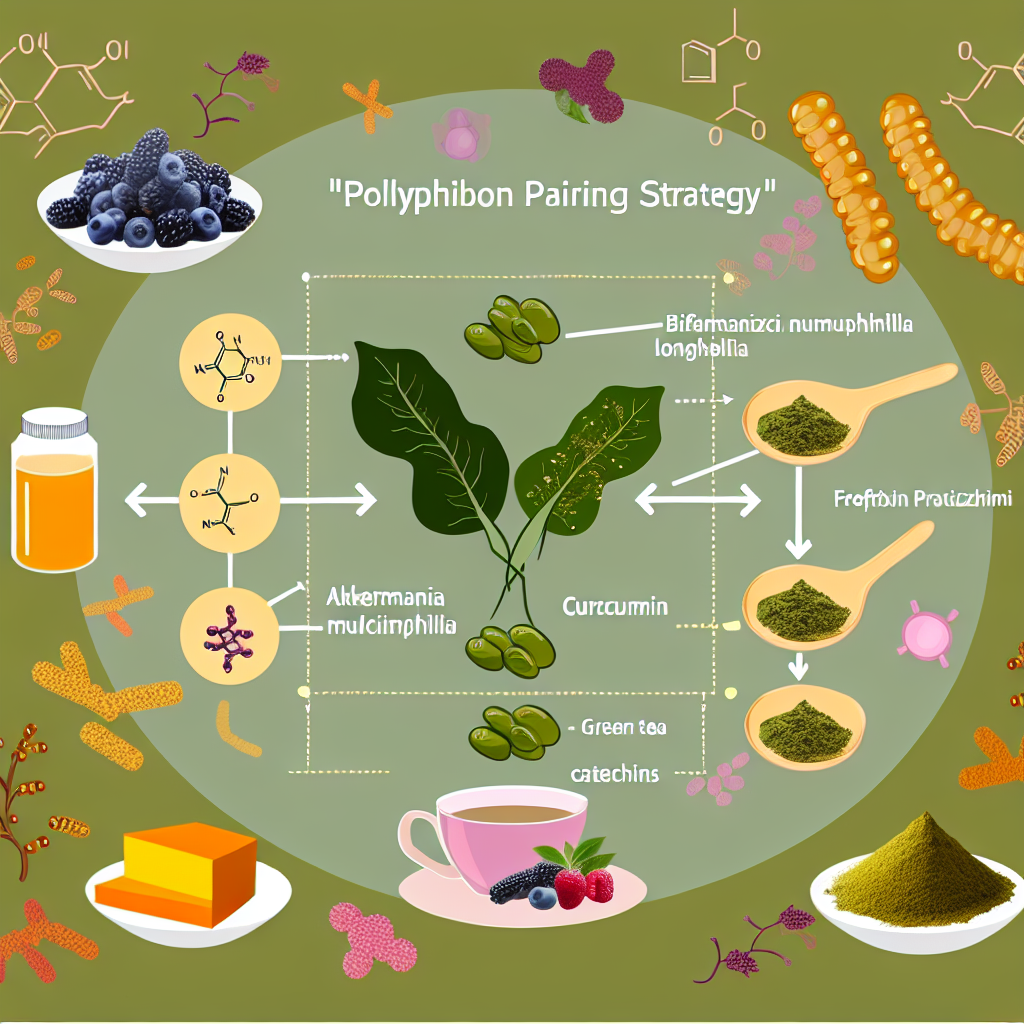
Unlike many nutrients, polyphenols largely bypass absorption in the small intestine and reach the large intestine intact. There, they interact closely with keystone gut bacteria like Akkermansia muciniphila, Faecalibacterium prausnitzii, and Bifidobacterium longum. These beneficial species are essential for producing short-chain fatty acids (SCFAs) such as butyrate, which support colon health, reduce inflammation, and enhance immune and metabolic balance.
This is where the Polyphenol Pairing Strategy comes in. Recent research indicates that certain polyphenols, when paired, can exert synergistic effects—enhancing the growth of keystone microbes more efficiently than when consumed alone. This strategy allows individuals to optimize gut health naturally through informed dietary choices.
For example, combining quercetin (from apples and onions) with resveratrol (from grapes) may significantly foster beneficial bacteria. Similarly, green tea catechins combined with curcumin (from turmeric) support anti-inflammatory pathways and gut lining integrity.
In an era where people are increasingly turning to dietary solutions for wellness, polyphenol pairing offers a promising, science-supported method to enhance digestive performance and holistic health.
Scientific Evidence Behind Polyphenol Pairing
The health benefits of polyphenol combinations are now supported by robust scientific data, particularly in relation to their influence on microbiota diversity, bacteria proliferation, and metabolic health.
A 2020 study in Nutrients found that co-administering pomegranate ellagitannins and quercetin-rich onions significantly increased populations of Faecalibacterium prausnitzii and Roseburia spp.. These bacteria are known producers of butyrate, an SCFA critical for colon integrity, inflammation regulation, and improved energy metabolism.
In a study published in the Journal of Agricultural and Food Chemistry, researchers examined how grape seed polyphenols and green tea catechins affected the gut environment. They discovered enhanced growth of Bifidobacteria when both were consumed together, alongside better SCFA production and inhibition of harmful bacteria.
Equally compelling is research on Akkermansia muciniphila. A 2019 trial in Nature Medicine showed that cranberry-derived proanthocyanidins elevated Akkermansia levels, improved insulin sensitivity, and reduced inflammation in both mice and humans. When combined with green tea polyphenols, these effects were significantly amplified.
The molecular dynamics behind these pairings are also fascinating. For instance, curcumin is poorly absorbed unless ingested with piperine (from black pepper). This pairing boosts bioavailability by 2000% and extends the time curcumin remains active, increasing its microbiota-modulating potential.
Moreover, a 2019 randomized controlled trial in Gut Microbes found that a combination of blueberry anthocyanins and cocoa flavanols successfully promoted populations of Lactobacillus and Bifidobacterium while suppressing toxic bacteria like Clostridium and E. coli.
This growing body of evidence highlights how a strategic dietary approach using polyphenol pairs can cultivate a healthier, more resilient gut microbiome.
Conclusion
The Polyphenol Pairing Strategy is emerging as a transformative method to enhance gut health naturally. Instead of focusing on isolated nutrients or supplements, this approach leverages the synergistic potential of combining specific polyphenol-rich foods and herbs to nourish the most essential species of gut bacteria.
By strategically supporting microbes like Akkermansia, Faecalibacterium, and Bifidobacteria, individuals can increase SCFA production, strengthen gut lining, lower inflammation, and foster better immune and metabolic health—naturally.
As more science uncovers the delicate interplay between food and the microbiome, polyphenol combinations offer an accessible, food-based strategy for anyone looking to take control of their digestive wellness through informed, evidence-guided choices.
Concise Summary
The Polyphenol Pairing Strategy emphasizes combining specific plant-based polyphenols to feed and enhance keystone gut bacteria like Akkermansia, Faecalibacterium, and Bifidobacteria. These pairings, such as quercetin with resveratrol or curcumin with green tea catechins, have been shown to improve SCFA production, gut lining health, and reduce inflammation. Backed by studies in journals like Nutrients and Nature Medicine, this approach offers a powerful, natural method to optimize gut health and overall wellness.
References
1. Nirmalkar, K., et al. (2020). Dietary Polyphenols Promote Prebiotic-Like Effects. Nutrients.
3. Depommier, C., et al. (2019). Akkermansia Supplementation Clinical Trial. Nature Medicine.
4. Rodriguez-Mateos, A., et al. (2019). Berry Polyphenols and Gut Bacteria. Gut Microbes.
5. Lambert, J.D., et al. (2007). Grape Seed and Tea Catechin Bioavailability. Journal of Nutrition.
Visit GutNow.com regularly for scientifically-backed, holistic tools to support your digestive wellness.

Dominic E. is a passionate filmmaker navigating the exciting intersection of art and science. By day, he delves into the complexities of the human body as a full-time medical writer, meticulously translating intricate medical concepts into accessible and engaging narratives. By night, he explores the boundless realm of cinematic storytelling, crafting narratives that evoke emotion and challenge perspectives.
Film Student and Full-time Medical Writer for ContentVendor.com