Why “Cleanse” Protocols Are Wrecking Your Mucosal Layer: The Missing Link in Chronic Gut Dysfunction
In recent years, health and wellness enthusiasts have increasingly turned to ”cleanse” protocols, generally marketed as solutions for detoxifying the body and optimizing gut health. While the allure of ridding the body of impurities has made these protocols popular, emerging evidence suggests that they may be doing more harm than good. One significant concern is their impact on the mucosal layer of the gut, a vital component that plays an essential role in maintaining gastrointestinal health.
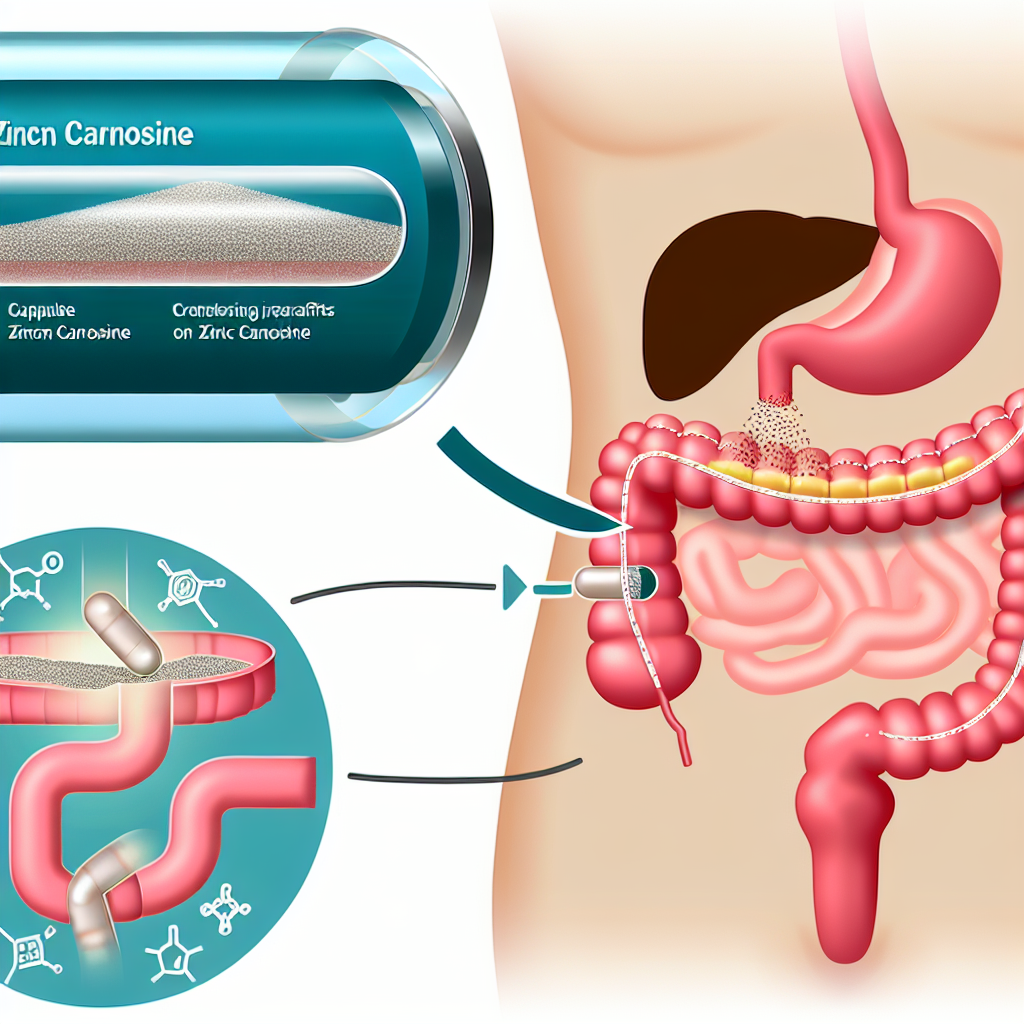
The gut mucosal layer is a complex, protective barrier lining the gastrointestinal tract. It serves as the body’s first line of defense against pathogens, aids in the absorption of nutrients, and plays a crucial role in maintaining a balanced microbiome. Consisting of mucus, epithelial cells, and immune elements, this barrier shouldn’t be taken lightly. However, many cleanse protocols, especially those focused on aggressive detoxification or extreme fasting, can strip away protective mucus, disrupt the gut microbiome, and impair barrier function. The damage from these detox diets can take a while to recover from and may require medical intervention.
Features
In a world increasingly fascinated by quick fixes, cleanse protocols have received their fair share of scientific scrutiny. According to a study published in “Nutrition in Clinical Practice”, extreme and prolonged fasting can lead to notable nutrient deficiencies that jeopardize gut integrity. The absence of dietary fiber in liquid-based cleanses, for example, can compromise the fecal bulk that helps maintain the gut junction’s structural integrity, ultimately degrading the mucosal barrier. The importance of fiber cannot be overstated, as it is essential for fostering beneficial bacteria growth and supporting digestive health.
Furthermore, a notable study in “Gastroenterology” examined the effects of polyphenol-rich detox drinks and found that while certain compounds can have antibacterial effects, they can also indiscriminately wipe out beneficial bacteria along with pathogens. A disruption in the microbiome can lead to dysbiosis, characterized by an imbalance of gut flora that contributes to the thinning of the mucosal layer.
Additionally, a report in “Frontiers in Immunology” highlights that the overuse of laxative-based cleanses affects immune function, further weakening this protective barrier. When the mucosal layer is compromised, the body becomes more vulnerable to chronic inflammation, posing risks that extend beyond the gut to systemic conditions like metabolic syndrome and type 2 diabetes.
Conclusion
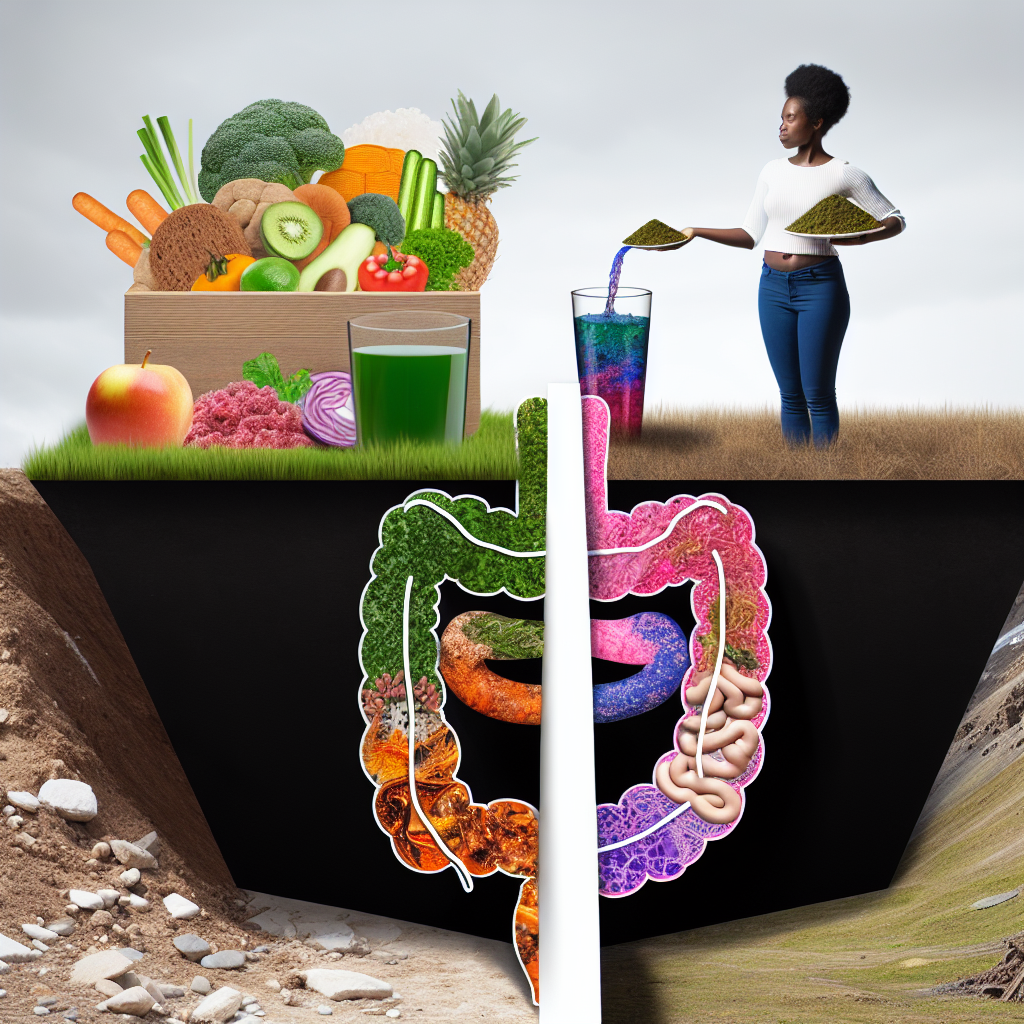
The promise of a quick fix for gut health is enticing, yet cleanse protocols may inadvertently sabotage the very barriers against illness they claim to strengthen. By stripping away the mucosal layer, these cleanses jeopardize the intricate balance required for robust gut health. A more sustainable approach to gut wellness prioritizes a balanced diet rich in fiber, regular hydration, and the moderation of cleanses to ensure that the mucosal layer and its essential functions remain intact. To make informed choices, always consult healthcare professionals when considering any alteration that claims to “cleanse” your body.
Concise Summary
“Cleanses” marketed for detoxifying and improving gut health may actually damage the gut’s mucosal layer, an essential barrier. Extreme detox diets can strip this layer, disrupt beneficial microbiomes, and lead to nutrient deficiencies. These effects increase risks of chronic gut dysfunction and systemic issues like metabolic syndrome. Sustainable gut health focuses on a balanced diet and proper hydration, avoiding extreme cleansing measures that weaken gut integrity. Consulting healthcare professionals before undergoing cleanse protocols is advisable for maintaining long-term gastrointestinal health.

Dominic E. is a passionate filmmaker navigating the exciting intersection of art and science. By day, he delves into the complexities of the human body as a full-time medical writer, meticulously translating intricate medical concepts into accessible and engaging narratives. By night, he explores the boundless realm of cinematic storytelling, crafting narratives that evoke emotion and challenge perspectives.
Film Student and Full-time Medical Writer for ContentVendor.com