Revolutionary Tactics for Reversing ‘Invisible’ Gut Inflammations: Cutting-Edge Protocols and Insights
Introduction
The human gut, often referred to as the “second brain,” plays a crucial role in maintaining overall health. It influences everything from digestion and metabolism to immune function and even mental well-being. Despite its importance, gut health is frequently overlooked, particularly when it comes to low-grade, chronic inflammations that evade detection yet wreak havoc on the body’s systems. These ‘invisible’ gut inflammations can manifest as digestive discomfort, fatigue, skin issues, and mood disturbances, among other symptoms. Traditional medical approaches often target symptoms rather than root causes, highlighting the need for revolutionary tactics that leverage both scientific advancements and ancient wisdom.
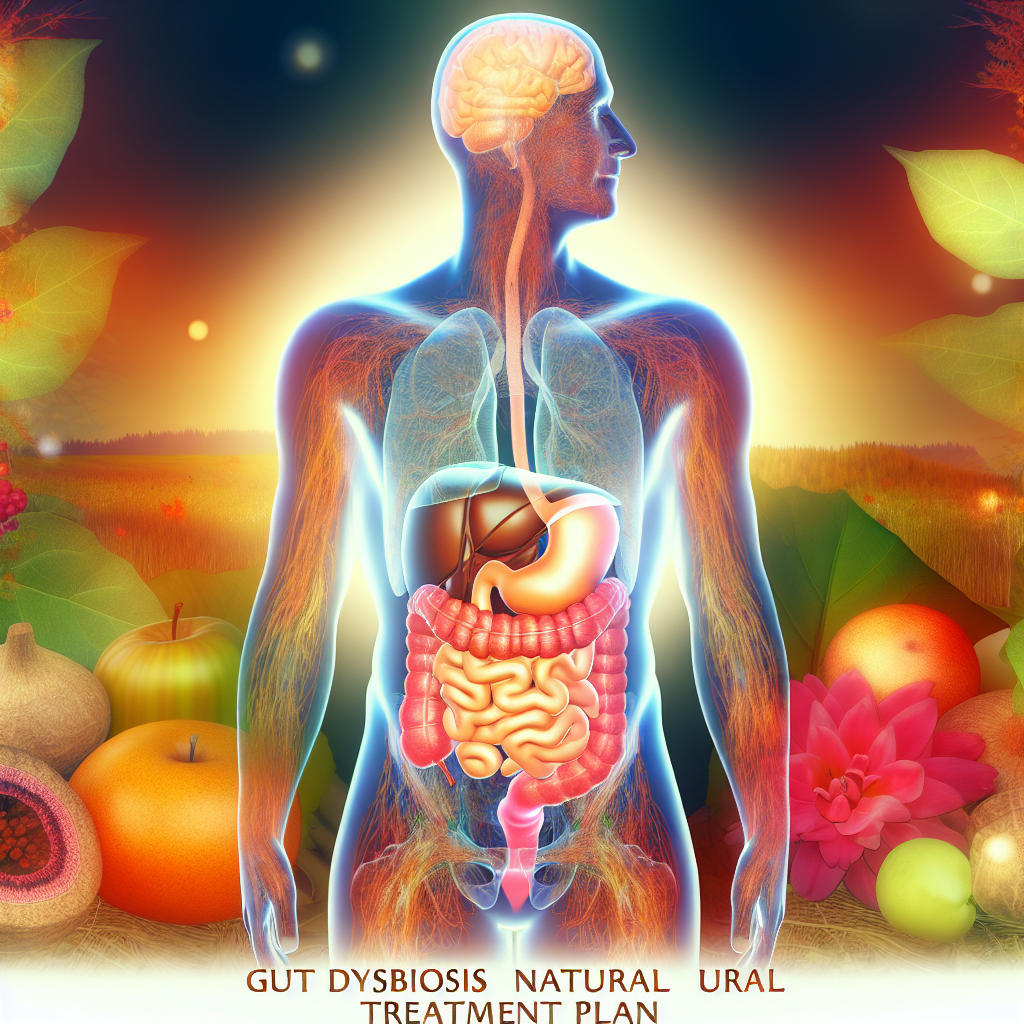
In recent years, there has been a surge of interest in natural cures and herbal treatments for improving gut health. Advances in microbiome research have uncovered intricate connections between gut flora and systemic inflammation. The gut microbiome, which consists of trillions of microorganisms, plays a pivotal role in regulating immune responses. An imbalance in these microbial communities, known as dysbiosis, can trigger inflammation, leading to a cascade of health issues.
Understanding these complexities unveils the potential of natural remedies to support gut health. Turmeric, ginger, and aloe vera are just a few of the herbal powerhouses celebrated in traditional medicine for their anti-inflammatory properties. Dietary strategies, like increasing fiber intake, adopting a plant-based diet, or eliminating common allergens, can further support gut healing by restoring microbial balance and reducing inflammation.
As emerging protocols continue to harmonize cutting-edge research with time-honored practices, individuals seeking gut health solutions are empowered with a variety of tools. These innovative approaches can address the underlying causes of invisible gut inflammation, fostering a healthier microbiome and, in turn, enhancing overall well-being.
Features
Several recent studies illuminate the links between gut health, inflammation, and broader health implications, providing valuable insights into effective natural interventions. A landmark study published in the [Nature Reviews Gastroenterology & Hepatology](https://www.nature.com/nrgastro/) highlights the role of probiotics in reducing gut inflammation. By introducing beneficial bacteria, probiotics help restore balance to the microbiome, diminishing inflammatory reactions and improving symptoms of irritable bowel syndrome and other inflammatory gut conditions.
Moreover, a 2019 study in the [Journal of Nutrition](https://academic.oup.com/jn) underscored the anti-inflammatory effects of polyphenols, compounds found in foods like green tea, berries, and dark chocolate. These potent antioxidants neutralize free radicals, lower oxidative stress, and consequently reduce inflammation in the digestive tract.
In their quest for innovative solutions, researchers are examining the synergistic effects of combining traditional herbs with modern prebiotic and probiotic supplements. For example, a clinical trial conducted by the University of Naples observed marked improvements in gut health among participants who consumed a blend of prebiotics, probiotics, and turmeric. This combination alleviated symptoms associated with irritable bowel syndrome and enhanced the overall gut microbial composition.
Furthermore, dietary interventions have gained traction as key strategies for reducing gut inflammation. A study in the [British Journal of Nutrition](https://www.cambridge.org/core/journals/british-journal-of-nutrition) found that supplementing with omega-3 fatty acids, such as those found in fish oil, lowers the production of pro-inflammatory molecules within the gut. Similarly, adopting a Mediterranean diet rich in fruits, vegetables, nuts, and whole grains has been associated with reduced inflammatory markers and improved gut health.
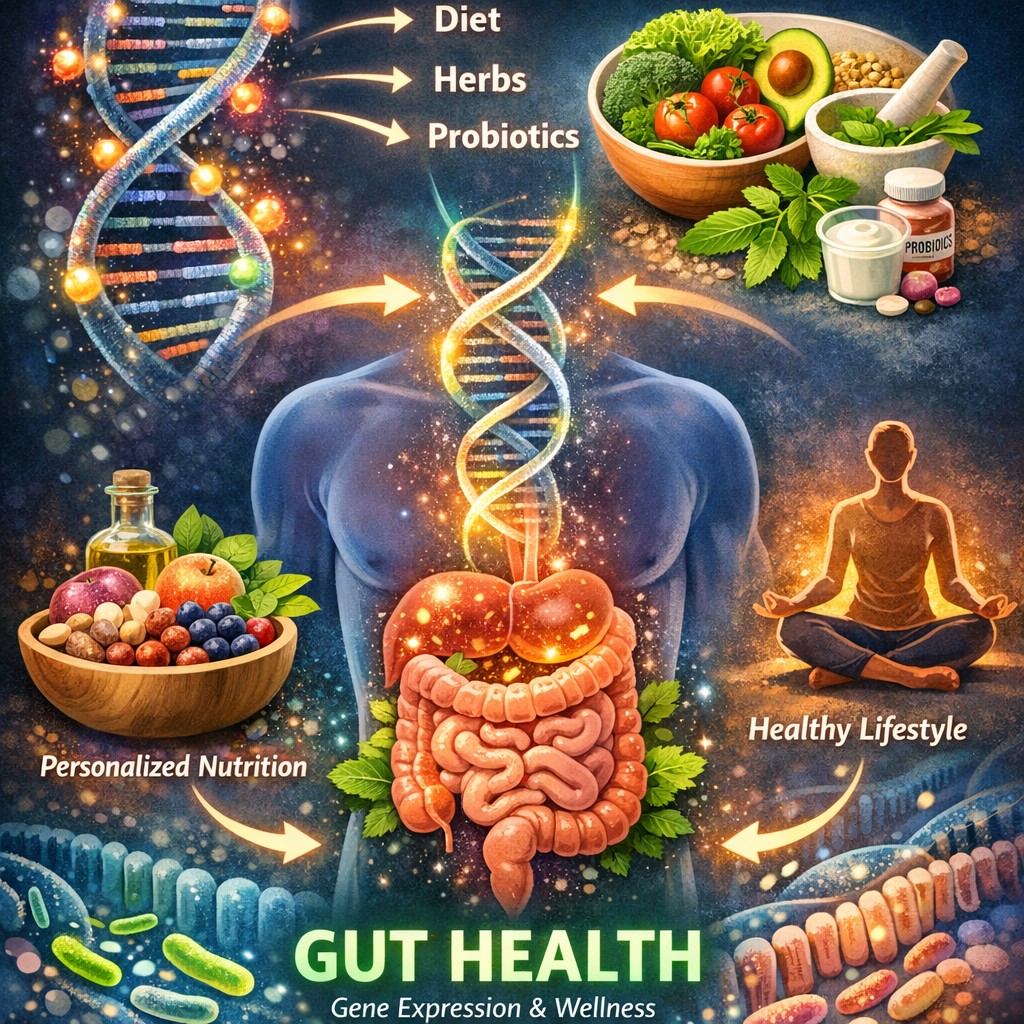
These studies reaffirm the potential of natural interventions to address invisible gut inflammation, emphasizing the importance of integrated approaches that combine dietary modifications, herbal treatments, and microbiome-supportive supplements.
Conclusion
Revolutionizing approaches to invisible gut inflammations hinges on harnessing the synergy between modern science and ancient practices. By incorporating herbal treatments, dietary adjustments, and microbiome-enhancing supplements, individuals can address the root causes of gut inflammation effectively. This holistic approach promises not only symptomatic relief but also enhanced overall health and well-being. As research continues to unveil the complexities of our gut systems, staying informed and embracing personalized, natural interventions will empower individuals on their journey to optimal gut health.
Concise Summary
Invisible gut inflammations can undermine health by causing various symptoms and are often targeted symptomatically by traditional medicine. Revolutionary tactics that combine scientific advancements with ancient wisdom, such as probiotics, polyphenols from foods like green tea, and turmeric, offer promising alternative solutions. Recent studies highlight the positive impact of these tactics, including dietary modifications like the Mediterranean diet. By embracing these holistic approaches, which integrate herbal treatments, dietary changes, and supplements, individuals can significantly improve their gut health and overall well-being.