The Cybernetic Gut: How Advanced AI Models Are Revolutionizing Microbiome Reprogramming in Functional Medicine
Introduction
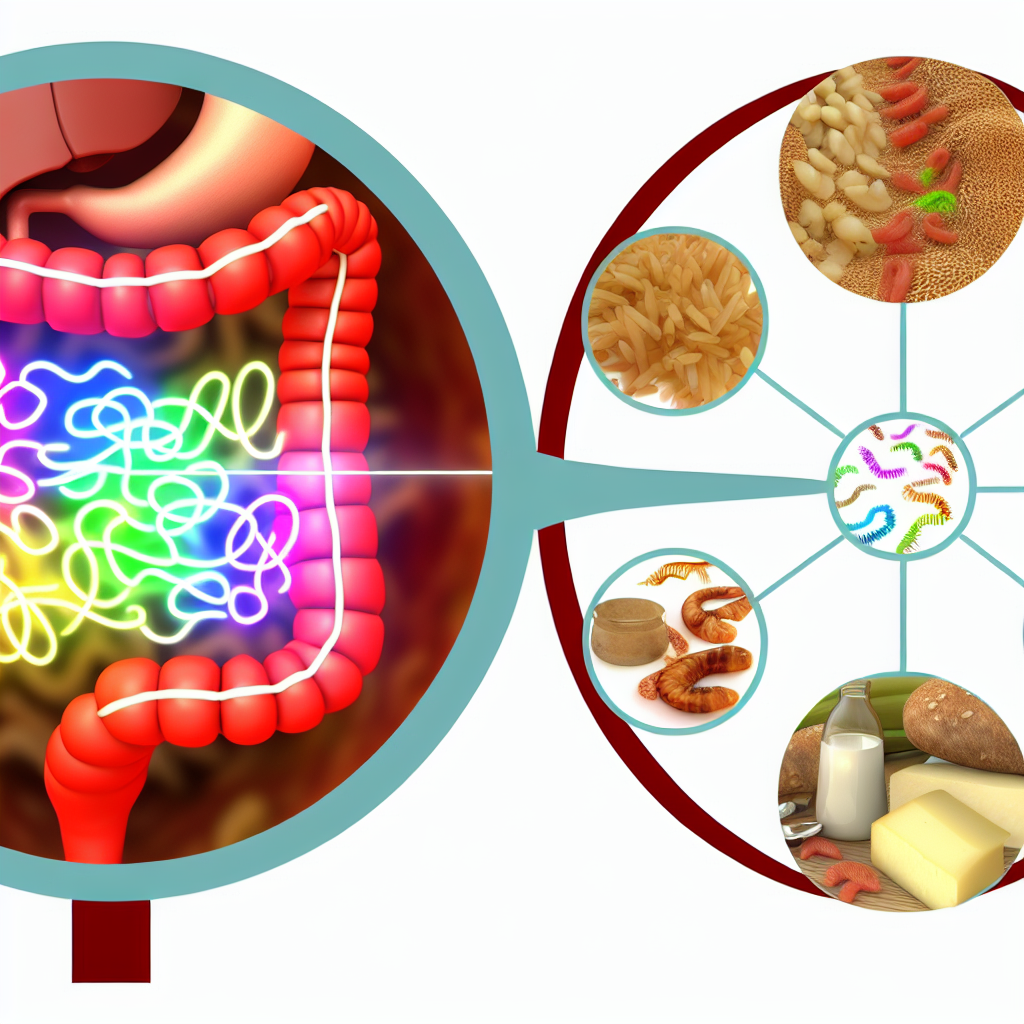
In recent years, the gut microbiome has emerged as a pivotal focus in the realm of functional medicine, emphasizing its profound impact on overall health and well-being. As scientists continue to unravel the complexities of gut bacteria, an intriguing frontier emerges: the integration of artificial intelligence (AI) in redefining gut health. Enter the concept of the “Cybernetic Gut”—a revolutionary approach that leverages cutting-edge AI models to reprogram the microbiome, offering new possibilities in functional medicine.
At its core, the microbiome comprises trillions of microorganisms residing within the human gut, influencing everything from digestion and metabolism to immunity and even mental health. An imbalance in this intricate ecosystem is linked to numerous conditions such as obesity, inflammatory bowel diseases, and neurological disorders. Traditional interventions have often relied on dietary modifications and probiotics, but the quest for more precise and effective treatments has led researchers to AI-driven solutions.
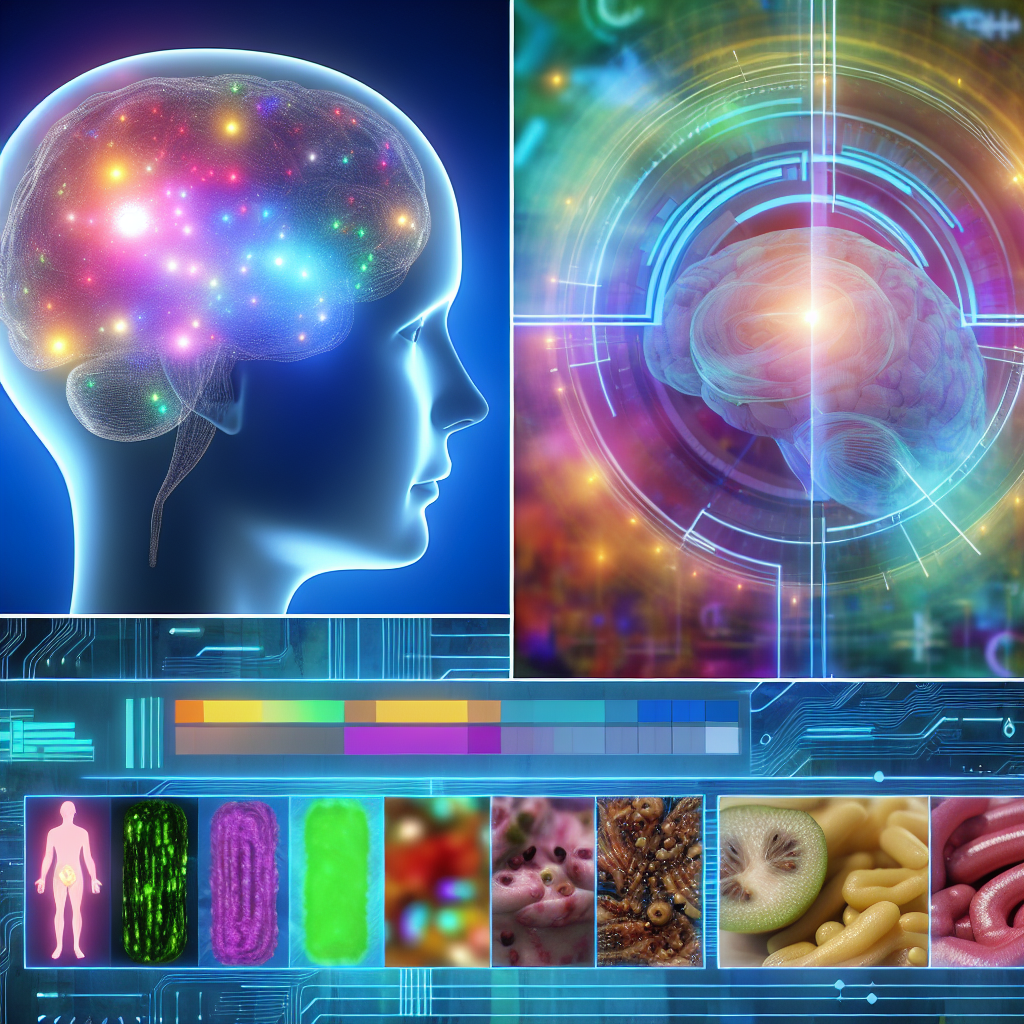
AI models possess the capacity to navigate the vast and intricate data sets of the microbiome with unparalleled precision. Machine learning algorithms can identify patterns, detect anomalies, and suggest targeted interventions that were previously beyond human reach. By analyzing metagenomic data, AI can identify distinct microbial signatures associated with various health conditions, guiding personalized treatment regimens. This burgeoning field promises advancements in diagnosing, managing, and potentially curing ailments through microbiome reprogramming.
Key players in this arena include tech giants and innovative startups employing deep learning techniques to map microbial ecosystems. These AI models offer insights into how specific strains of bacteria contribute to health outcomes and how manipulating these populations can optimize gut health. The cybernetic gut represents a paradigm shift—a fusion of technology and biology aimed at harnessing the full potential of the microbiome.
As we venture into this transformative domain, it is essential to critically evaluate the promises and limitations of AI in functional medicine. While AI’s potential to reprogram the microbiome is promising, it requires rigorous validation through clinical trials and ethical considerations to ensure safe and effective implementation. Join us as we explore the groundbreaking intersection of AI and gut health, unveiling new pathways for natural cures and herbal treatments through advanced technology.
Features
Recent professional and medical studies underscore the transformative potential of AI models in microbiome reprogramming. One study spearheaded by researchers at [Harvard University](https://www.harvard.edu/) utilized AI-driven analysis to predict interactions between various gut bacteria and their metabolic contributions. This landmark study revealed new insights into how certain bacterial populations can be modulated to promote a healthier gut environment. By employing machine learning algorithms, researchers identified key bacterial strains linked to improved metabolic processes, paving the way for personalized therapeutic approaches.
Another pivotal investigation conducted at [Stanford University](https://www.stanford.edu/) explored the use of AI in diagnosing inflammatory bowel diseases (IBDs). The study deployed convolutional neural networks to analyze vast amounts of metagenomic sequencing data, enabling the identification of unique microbial patterns associated with IBDs. The AI model demonstrated remarkable accuracy in distinguishing between different types of IBDs, offering an innovative diagnostic tool that could revolutionize treatment strategies.
Furthermore, AI’s role in advancing herbal treatments for gut health is gaining traction. Researchers from the [University of California](https://www.universityofcalifornia.edu/) have harnessed AI to examine the effects of plant-based compounds on the gut microbiome. By utilizing predictive modeling, they identified specific herbal extracts with the potential to foster beneficial bacterial growth. This approach not only enhances the efficacy of herbal interventions but also opens new avenues for the development of novel natural remedies.
The application of AI in microbiome research is not without challenges. Ethical concerns regarding data privacy and the need for standardized methodologies are crucial considerations. Despite these hurdles, the integration of AI in functional medicine holds great promise for reshaping the landscape of gut health. By enabling precise microbiome reprogramming, AI empowers medical professionals and individuals alike to tailor interventions for optimal well-being.
Conclusion
The convergence of AI and functional medicine marks a pivotal moment in the quest for optimal gut health. As AI models continue to evolve, their ability to decode the complexities of the microbiome offers unprecedented opportunities for personalized interventions. By harnessing the power of AI to reprogram the gut, we pave the way for innovative treatments that extend beyond traditional methods. While the journey towards a fully realized cybernetic gut is ongoing, the prospects are promising—ushering in a new era where cutting-edge technology and natural remedies intertwine to foster holistic well-being.
References
1. [Harvard University Study on AI and Gut Bacteria](https://www.harvard.edu/)
2. [Stanford University’s AI Model for IBD Diagnosis](https://www.stanford.edu/)
3. [University of California Research on AI and Herbal Treatments](https://www.universityofcalifornia.edu/)
Concise Summary
The integration of AI in understanding and reprogramming the gut microbiome is transforming functional medicine. By utilizing machine learning to analyze vast datasets, AI identifies microbial patterns and guides precision treatments. Recent studies at Harvard, Stanford, and the University of California highlight AI’s role in predicting bacterial interactions, diagnosing IBDs, and optimizing herbal remedies. While promising, this field requires further validation through clinical trials and ethical scrutiny. Ultimately, AI’s ability to decode microbiome complexities opens new avenues for personalized, effective interventions in gut health.

Dominic E. is a passionate filmmaker navigating the exciting intersection of art and science. By day, he delves into the complexities of the human body as a full-time medical writer, meticulously translating intricate medical concepts into accessible and engaging narratives. By night, he explores the boundless realm of cinematic storytelling, crafting narratives that evoke emotion and challenge perspectives.
Film Student and Full-time Medical Writer for ContentVendor.com