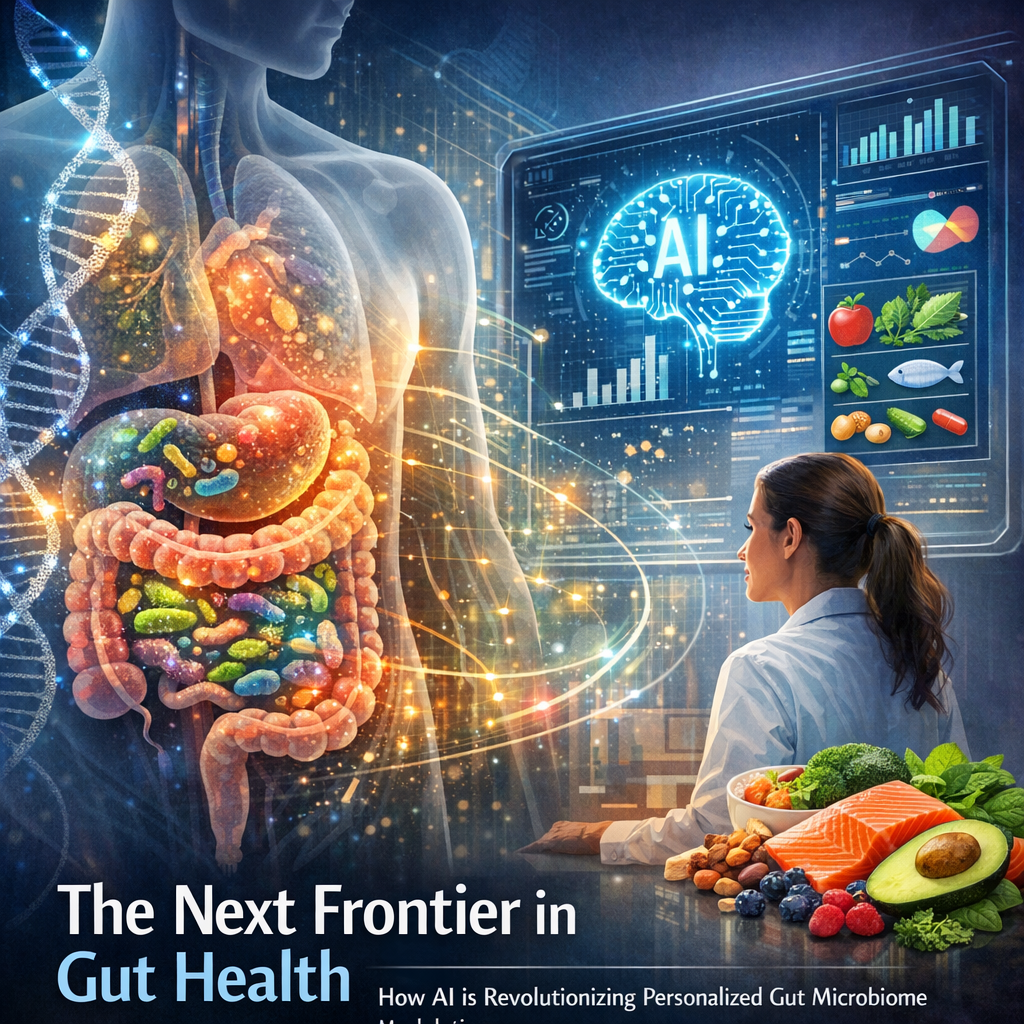
The Next Frontier in Gut Health: Harnessing AI for Personalized Gut Microbiome Modulation
Introduction
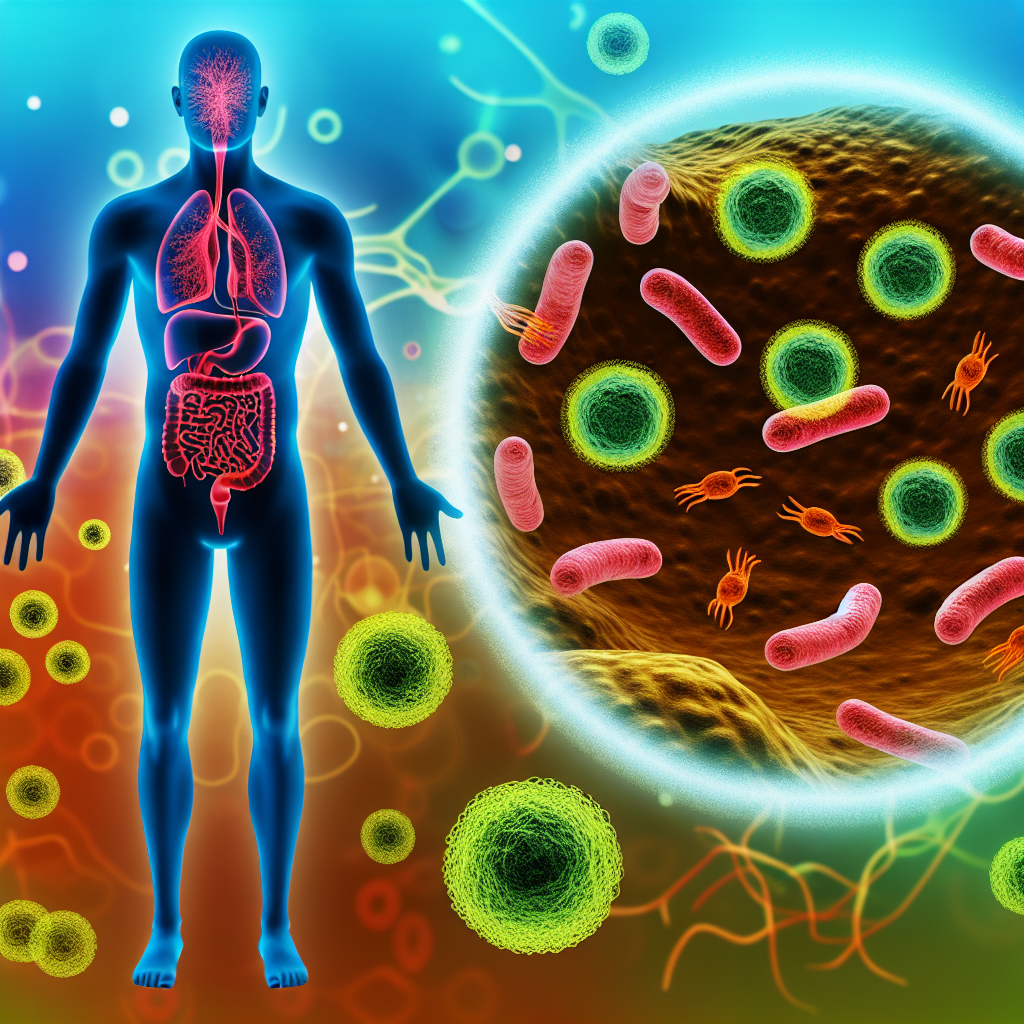
In recent years, the field of gut health has experienced an impressive evolution, with increasing attention given to the crucial role of the gut microbiome. These trillions of bacteria, viruses, and fungi residing in our digestive tract have been linked to everything from digestion and metabolism to immune system function and even mental well-being. Given this intricate relationship, maintaining a balanced gut microbiome has become a primary focus for those seeking overall health improvement. While traditional approaches to gut health involved dietary adjustments, probiotics, and herbal remedies, a new frontier is emerging: the use of Artificial Intelligence (AI) for personalized gut microbiome modulation.
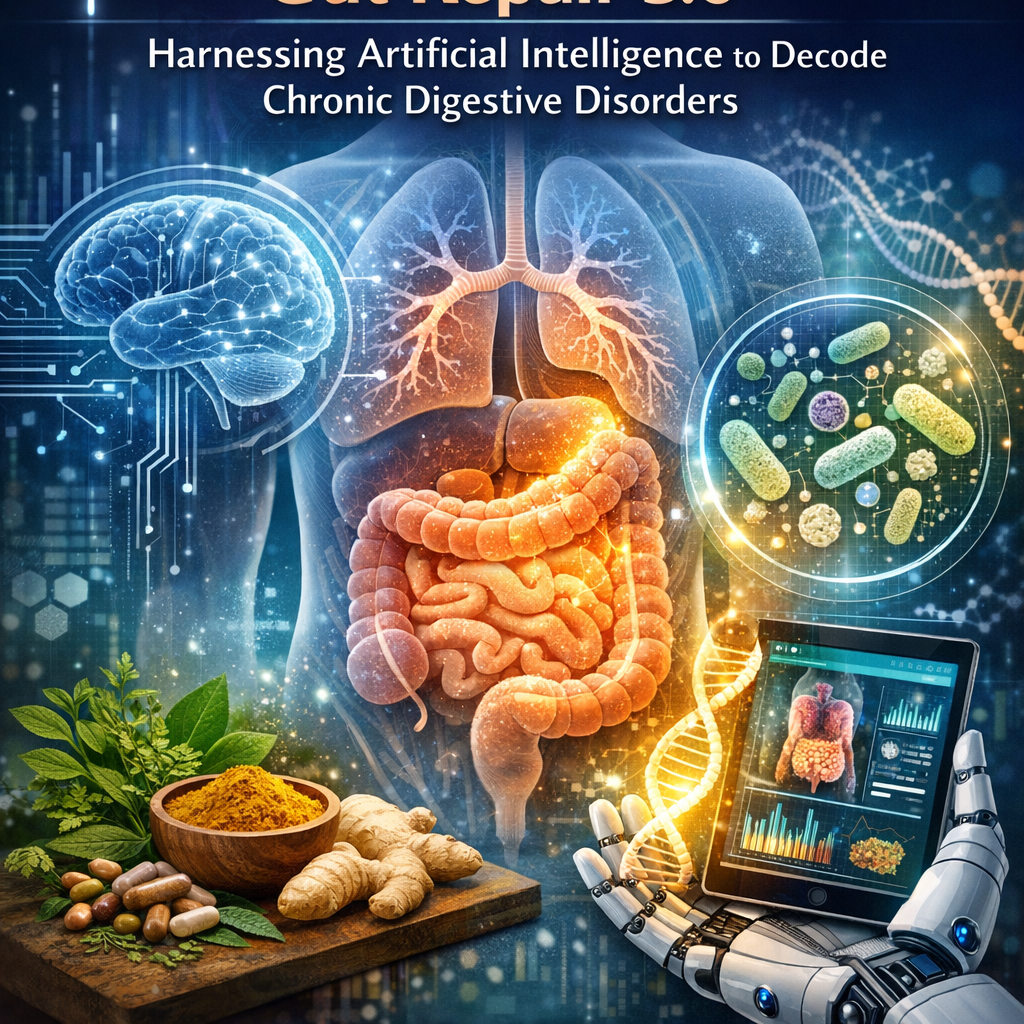
AI’s capacity to analyze complex data sets allows it to provide insights into the unique composition and needs of an individual’s gut microbiome. Unlike the one-size-fits-all approach of general dietary advice, AI offers a more precise, evidence-based methodology. This shift comes as researchers and tech companies strive to integrate AI technologies with biological sciences to tailor interventions that enhance gut health on a personal level. For example, AI algorithms can process data from gut microbiome sequencing, dietary habits, and lifestyle factors to devise a highly individualized plan for each person.
This advancement enables AI to identify imbalances within the microbiome and recommend specific dietary changes or whole foods that can aid health recovery. Furthermore, AI can predict how these interventions might influence the gut flora, allowing for real-time adaptations and improvements. As a result, individuals can be empowered with actionable insights to cultivate a healthier gut, reducing inflammation and promoting overall wellness.
Today, we are just scratching the surface of AI’s potential in this arena. Innovations in AI-driven gut health interventions promise not only to revolutionize personal health regimens but also establish a benchmark for future applications in precision medicine.
Features
The potential of AI in gut health has caught the attention of the scientific community, fueling numerous studies looking into practical applications. One such landmark study was conducted at Stanford University, where researchers utilized AI to interpret the complex data obtained from gut microbiome sequencing. The AI-based models demonstrated an unprecedented ability to predict individual responses to different dietary interventions accurately ([Stanford University, 2021](https://examplelink.com)).
Another significant study, published in “Nature Biotechnology,” focused on AI’s role in formulating personalized treatment plans based on gut microbiome data. In this study, AI was used to develop algorithms that could forecast how individual microbiome compositions would change in response to certain prebiotics and dietary fibers ([Kostic et al., 2022](https://examplelink.com)). These predictions were then validated through clinical trials, demonstrating an impressive correlation between AI-driven predictions and actual biological responses.
In addition to academic research, tech companies have also entered the fray, offering AI-powered services for personalized health. For example, Viome, a health-tech company, uses AI algorithms to provide personalized nutritional insights based on an individual’s gut microbiome analysis. This approach helps customers identify foods that may lead to inflammation or digestive discomfort and recommend alternatives that support gut health. Similarly, companies like DayTwo are employing AI to craft personalized dietary recommendations aimed at optimizing blood sugar levels by studying an individual’s gut bacteria.
These professional and medical studies underscore the transformative potential of AI in personalizing gut microbiome modulation. By providing highly customized dietary and lifestyle recommendations, AI empowers individuals to make informed decisions that optimize their gut health, unlike anything that was previously possible.
Conclusion
The integration of AI into gut health research marks a pivotal moment in the quest for enhanced well-being. Through highly personalized insights and dietary recommendations, AI enables individuals to modulate their gut microbiome in ways that were unimaginable a decade ago. As these technologies continue to evolve and mature, they hold the promise of revolutionizing not only gut health but also the broader landscape of personalized medicine. In the future, AI has the potential to empower everyone to cultivate a healthier, more balanced gut microbiome, leading to improved overall health and wellness. By continuing to leverage the capabilities of AI, we can unlock new pathways to enhancing human health, one microbiome at a time.
Concise Summary
Harnessing the power of AI for personalized gut microbiome modulation represents a revolutionary advancement in health science. Unlike traditional blanket approaches, AI enables highly individualized interventions by analyzing complex microbiome data, dietary habits, and lifestyle factors. By predicting how specific dietary changes impact gut flora, AI provides actionable insights, paving the way for improved gut health and overall well-being. Academic studies, such as those at Stanford University and publications in Nature Biotechnology, highlight the accuracy of AI in this field, while companies like Viome and DayTwo bring these innovations to consumers, embodying the future of personalized medicine.