Decoding the Gut Microbiome: The Next Frontier in Functional Gastroenterology and Chronic Disease Management
Introduction
Over the past decade, the gut microbiome has surged to the forefront of both professional and public interest as we strive to comprehend its vast implications for human health. Once primarily considered a collection of microorganisms inhabiting the gastrointestinal tract, recent advancements in research have unveiled its crucial role in managing functional gastroenterology and chronic diseases. The gut microbiome comprises a complex ecosystem of trillions of bacteria, viruses, fungi, and other microbes that not only assist in digesting food but also significantly impact the immune system, brain function, and overall well-being.
The intricate relationship between the gut and its microbial residents suggests that disturbances in this ecosystem could play a critical role in the onset of various chronic diseases. Conditions such as irritable bowel syndrome (IBS), inflammatory bowel diseases (IBD) like Crohn’s disease and ulcerative colitis, and metabolic disorders including obesity and type 2 diabetes have been linked to imbalances or dysbiosis in the gut microbiome. In these cases, the gut microbiota’s composition and diversity may serve as either a biomarker for early disease detection or a target for novel therapeutic approaches.
Functional gastroenterology, an emerging field that addresses underlying imbalances in bodily systems to improve health outcomes, looks at how we can leverage the power of the microbiome to prevent, manage, and treat chronic illnesses naturally. This involves exploring dietary interventions, probiotics, prebiotics, and other natural methods to modulate the gut environment. As we continue to decode the gut microbiome, understanding its communication pathways with the body’s immune system, the central nervous system, and metabolic networks will enable us to develop revolutionary approaches to managing chronic diseases.
However, the rapidly evolving scientific landscape requires vigilance and an evidence-based mindset. Misinterpretation or oversimplification can lead to hasty conclusions that undermine the health benefits attributed to meaningful gut microbiota management. As consumers and professionals alike strive to better understand the microbiome’s impact on health, well-informed perspectives are crucial to navigating this frontier in medicine.
Features
A pivotal aspect of gut microbiome research involves identifying how specific microbial profiles correlate with disease states and how their manipulation can lead to disease resolution. Several professional and medical studies highlight the potential of harnessing the gut microbiome for diagnostic and therapeutic purposes.
One landmark study published in the journal *Nature* mapped the genetic material of human gut microbes, revealing the tremendous diversity and functional capacity of these organisms in maintaining health. The [Human Microbiome Project](https://www.nature.com/articles/nature11234) further elucidated these dynamics, indicating that each individual hosts a unique microbial composition influenced by factors such as lifestyle, diet, and genetics. These discoveries support the idea that personalized approaches to gut health could optimize therapy for chronic diseases.
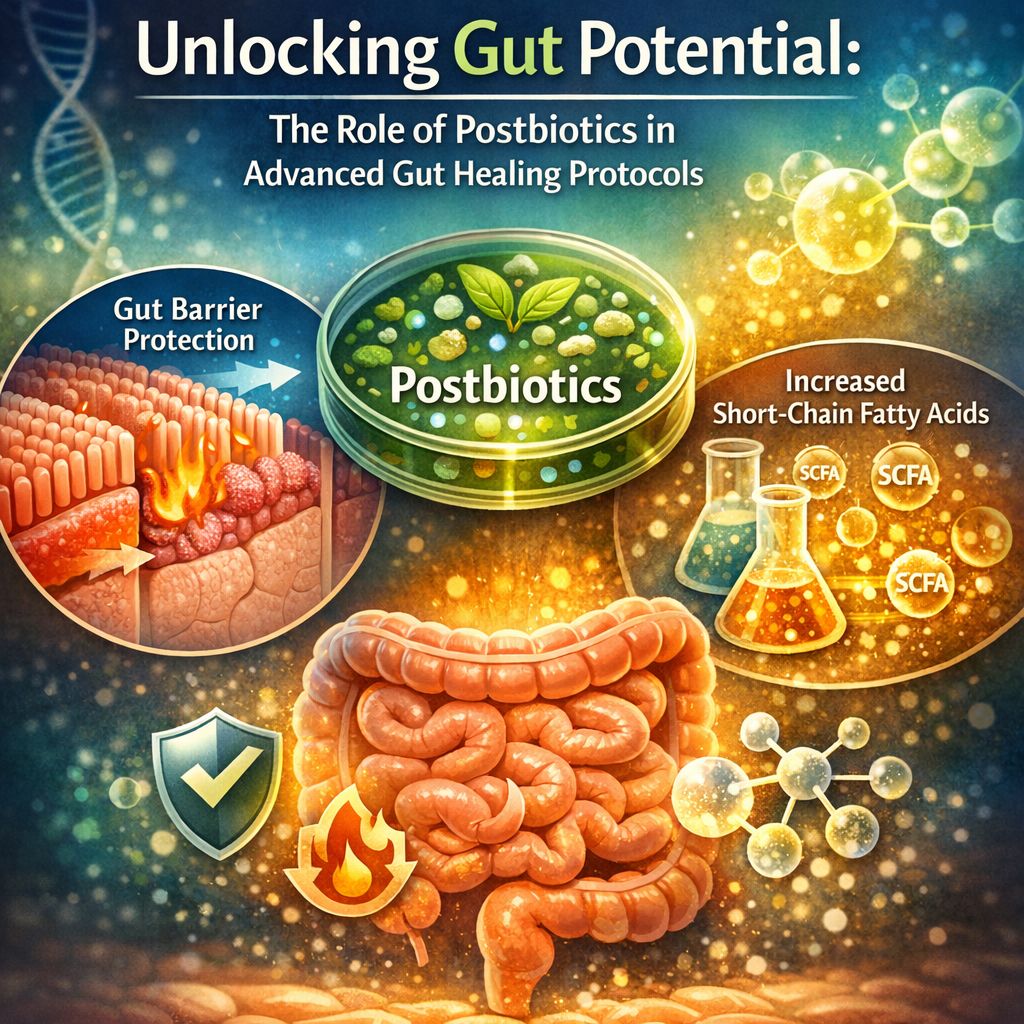
Moreover, a study from *Gastroenterology* explored the impact of probiotic supplementation on gut health and disease management. The research concluded that certain probiotic strains could beneficially alter gut microbiota composition, enhance gut barrier function, and reduce inflammatory responses linked to diseases like IBS. Similarly, the use of prebiotics — dietary fibers that nourish beneficial bacteria — has been shown in studies to facilitate a favorable microbiome environment, enhancing gastrointestinal function and systemic health. For further reading, explore [Probiotics and Prebiotics in Digestive Health](https://www.sciencedirect.com/science/article/pii/S0016508519363811) from *Gastroenterology*.
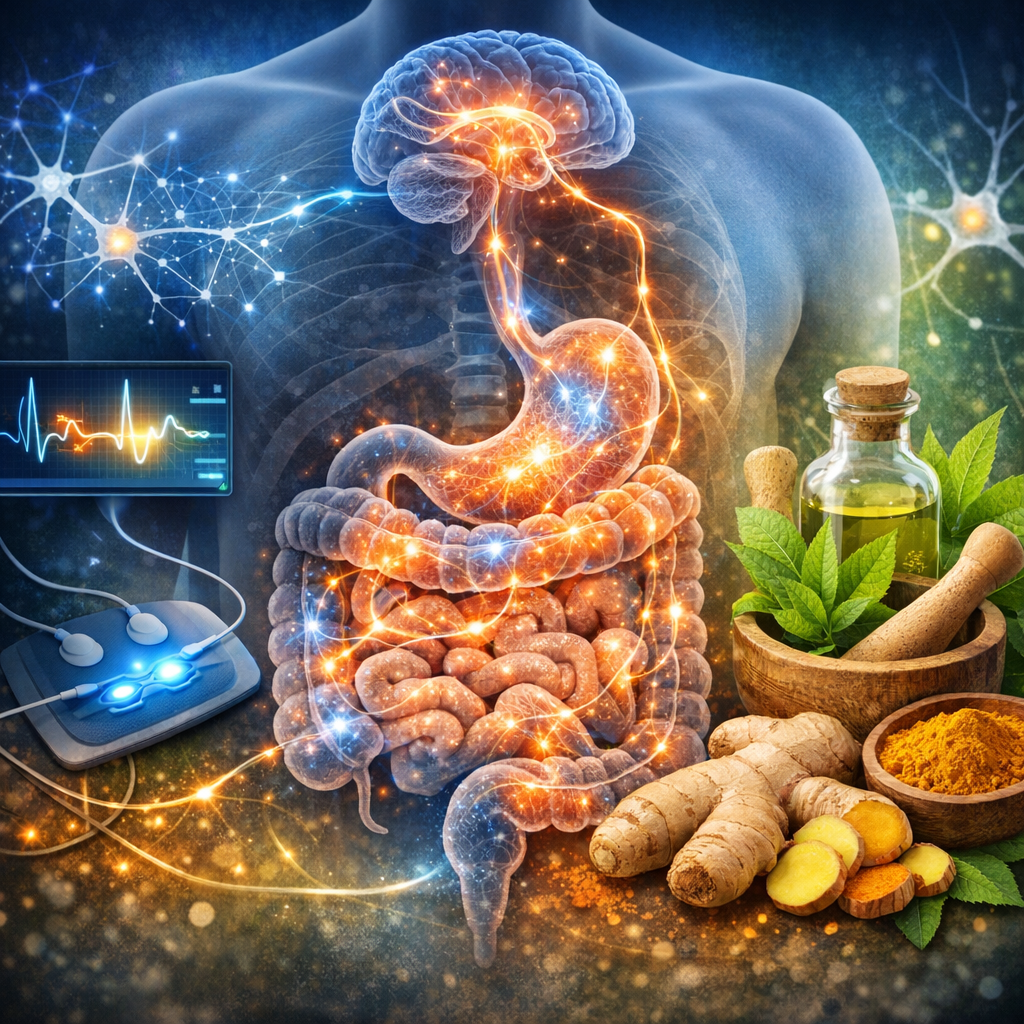
Emerging evidence also points to the gut-brain axis, a bidirectional communication network linking the gut and the brain, as a critical area of interest. Studies published in *Biological Psychiatry* suggest that gut microbiota modulates central nervous system activity, influencing mood and cognitive functions. These findings propose new pathways for treating mental health disorders like depression and anxiety through microbiome interventions. Additional details can be found in the article [Gut-brain axis: How the microbiome influences anxiety and depression](https://www.sciencedirect.com/science/article/pii/S0166223613000569) from *Trends in Neurosciences*.
Through these scientific endeavors, a nuanced understanding of the gut microbiome’s role in chronic disease management continues to unfold, bridging the gap between traditional treatments and innovative functional gastroenterology approaches.
Conclusion
Decoding the gut microbiome represents a transformative opportunity in functional gastroenterology and chronic disease management. As research deepens our understanding of the gut microbiome’s complexity and connectivity with human health, innovative strategies leverage these insights. Natural interventions, such as dietary modifications and microbial therapeutics, offer promising avenues for preventing and managing various chronic conditions. Continued investment in rigorous scientific inquiry and responsible dissemination of findings will pave the way for a future where microbiome-guided therapies could significantly enhance personal and public health outcomes.
References
1. [Human Microbiome Project Consortium. (2012). Structure, function, and diversity of the healthy human microbiome. *Nature*](https://www.nature.com/articles/nature11234).
2. [Moya, A., & Ferrer, M. (2016). Functional Redundancy-Induced Stability of Gut Microbiota Subjected to Disturbance. *Trends in Microbiology*](https://www.sciencedirect.com/science/article/pii/S0966842X1630129X).
3. [Sanders, M.E., et al. (2019). Probiotics and Prebiotics in Digestive Health. *Gastroenterology*](https://www.sciencedirect.com/science/article/pii/S0016508519363811).
4. [Foster, J.A., & Neufeld, K.A.M. (2013). Gut-brain axis: how the microbiome influences anxiety and depression. *Trends in Neurosciences*](https://www.sciencedirect.com/science/article/pii/S0166223613000569).
Concise Summary
The gut microbiome, a complex ecosystem within our gastrointestinal tract, plays a vital role in health, influencing everything from digestion to immune function. Recent research highlights its importance in managing chronic diseases like IBS, IBD, and metabolic disorders. By exploring probiotics, prebiotics, and dietary interventions, functional gastroenterology aims to harness the microbiome’s power for disease prevention and management. With the gut-brain axis linking it to mental health as well, microbiome-guided therapies are poised to enhance health outcomes significantly. Rigorous research and informed dissemination will ensure these advances improve both personal and public health.