Cracking the Code: How Advanced Bioinformatics is Revolutionizing Personalized Gut Health Protocols
Introduction
In recent years, the scientific community has made impressive strides in understanding the complexities of the human gut microbiome—a dense ecosystem of trillions of microorganisms living in our digestive tract. This microbial population plays a crucial role in maintaining our overall health, influencing everything from our immune system to our mental well-being. However, the one-size-fits-all approach to gut health has proven to be inadequate. The diverse nature of gut microbiomes means that what works for one person might not work for another. Enter bioinformatics, a cutting-edge field that uses advanced data analysis and computational technology to decode the complexities of the gut microbiome at an individual level. By leveraging the power of bioinformatics, scientists and healthcare providers are now able to design personalized gut health protocols that are more effective and tailored to individual needs.
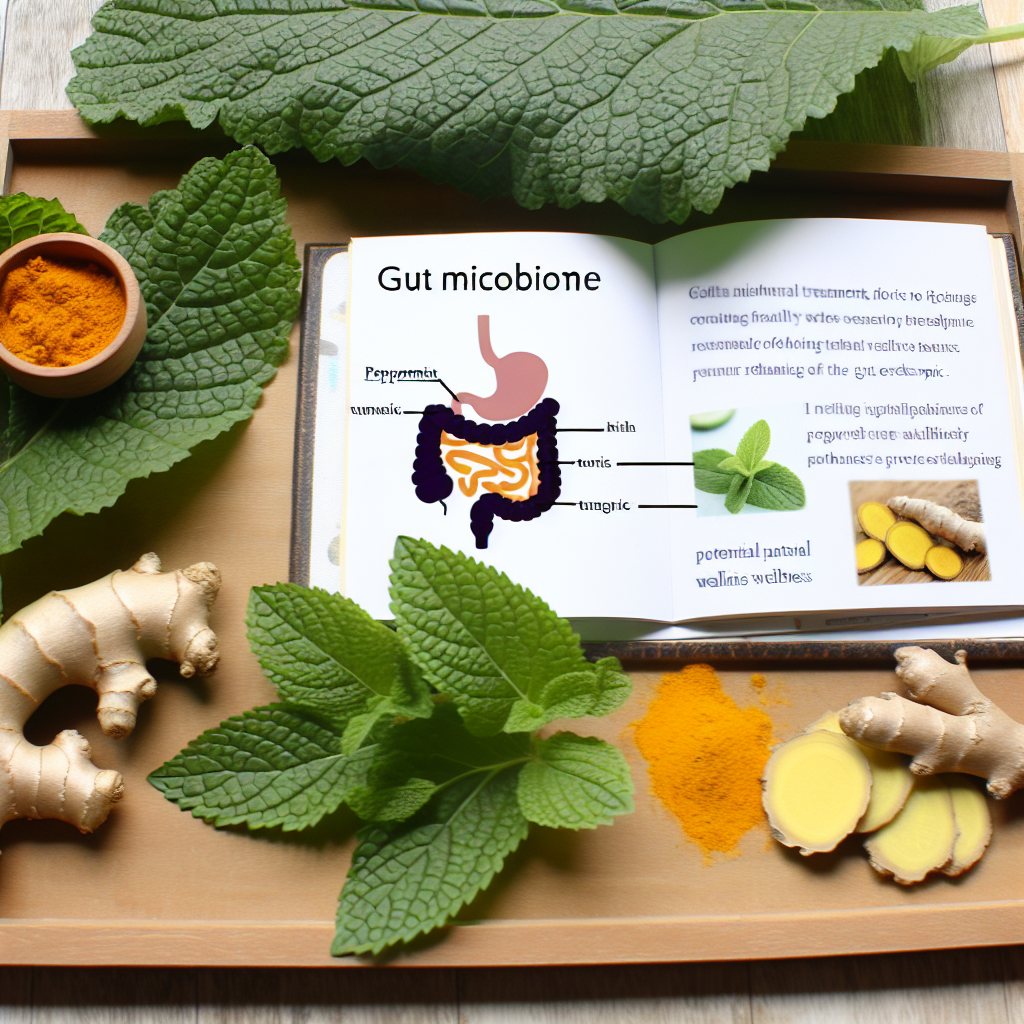
The advent of bioinformatics in gut health represents a significant shift from traditional methods. Bioinformatics involves the collection, analysis, and interpretation of complex biological data, allowing for a more nuanced understanding of the gut’s microbial composition ([NIH](https://www.nih.gov/)). This approach is especially promising for those seeking natural cures and herbal treatments. Personalized protocols can be designed to include specific herbs and natural supplements that are beneficial for the unique microbial makeup of an individual’s gut. Bioinformatics enables the identification of microbial imbalances potentially contributing to gastrointestinal disorders, informing more targeted herbal interventions ([Nature Reviews Gastroenterology & Hepatology](https://www.nature.com/nrgastro/)).
Moreover, bioinformatics facilitates the integration of vast amounts of data from genomics, proteomics, and metabolomics, producing a comprehensive view of an individual’s gut health. This capability not only aids in the identification of specific microbial signatures associated with health and disease but also in the prediction of how an individual’s gut might react to various herbal treatments. This personalized approach can be particularly advantageous for those suffering from chronic digestive issues, allowing for customized herbal remedies and dietary changes that promote optimal gut health.
Features
One of the primary features of using bioinformatics in personalized gut health protocols is its ability to deliver precision medicine through extensive microbial analysis. A [study published in “Cell”](https://www.cell.com/cell/fulltext/S0092-8674(15)01481-6) highlighted how personalized nutrition based on gut microbiome composition can significantly influence blood glucose levels, thus impacting overall metabolic health (Zeevi et al., 2015). The study underscored the potential of bioinformatics in customizing dietary interventions to improve gut and metabolic health, suggesting a similar application for herbal treatments.
Additionally, the [Human Microbiome Project](https://www.nature.com/articles/nature11234) has been pivotal in mapping the microbial diversity within the human body, providing a rich resource for researchers to identify which microorganisms are present in healthy individuals versus those with certain diseases (Consortium, 2012). This information is crucial for developing individualized herbal interventions aimed at restoring a healthy microbial balance.
Researchers at Stanford University have utilized bioinformatics to study the effects of diet on gut microbiota, with findings revealing that specific dietary patterns can significantly alter the gut’s microbial composition ([Sonnenburg et al., 2016](https://www.nature.com/articles/nature16504)). This research supports the notion that bioinformatics can guide the incorporation of specific herbs and natural ingredients into one’s diet to enhance gut health based on individual needs.
Moreover, a recent [paper in “Nature Medicine”](https://www.nature.com/articles/s41591-018-0181-8) demonstrated how bioinformatics can predict individualized responses to probiotic supplementation, providing insights into which strains might be beneficial or detrimental for specific individuals (Zmora et al., 2018). This capability extends to herbal treatments, allowing for the selection of the most effective herbal remedies in conjunction with probiotics for gut health.
Conclusion
In conclusion, the integration of advanced bioinformatics in the realm of gut health marks a revolutionary leap forward in personalized medicine. By transforming vast datasets into actionable insights, bioinformatics offers the promise of tailor-made gut health protocols that incorporate natural cures and herbal treatments. As research in this area continues to evolve, individuals can look forward to more precise and effective strategies for maintaining and improving their gut health. This cutting-edge approach not only augments our understanding of the gut microbiome but also opens new avenues for enhancing overall well-being through scientifically-backed, personalized interventions.
Concise Summary
The fusion of bioinformatics with gut health research ushers in a new era of personalized medicine, enabling tailored interventions for individuals. By analyzing complex biological data, scientists can customize nutrition and herbal treatments based on unique gut microbiomes, enhancing health outcomes. This approach addresses the shortcomings of conventional one-size-fits-all methods, offering precision strategies for gastrointestinal disorders and overall well-being. Cutting-edge studies demonstrate the potential of bioinformatics to revolutionize gut health protocols, highlighting its role in predicting responses to dietary and probiotic interventions. As the field evolves, personalized bioinformatics-based treatments promise significant advancements in optimal health.
References
1. [Zeevi, D., et al. (2015). Personalized Nutrition by Prediction of Glycemic Responses. *Cell*, 163(5), 1079-1094.](https://www.cell.com/cell/fulltext/S0092-8674(15)01481-6)
2. [The Human Microbiome Project Consortium. (2012). Structure, function and diversity of the healthy human microbiome. *Nature*, 486, 207–214.](https://www.nature.com/articles/nature11234)
3. [Sonnenburg, J.L., et al. (2016). Diet-induced extinctions in the gut microbiota compound over generations. *Nature*, 529, 212–215.](https://www.nature.com/articles/nature16504)
4. [Zmora, N., et al. (2018). Personalized Gut Mucosal Colonization Resistance to Empiric Probiotics Is Associated With Unique Host and Microbiome Features. *Nature Medicine*, 24, 607–615.](https://www.nature.com/articles/s41591-018-0181-8)

Dominic E. is a passionate filmmaker navigating the exciting intersection of art and science. By day, he delves into the complexities of the human body as a full-time medical writer, meticulously translating intricate medical concepts into accessible and engaging narratives. By night, he explores the boundless realm of cinematic storytelling, crafting narratives that evoke emotion and challenge perspectives.
Film Student and Full-time Medical Writer for ContentVendor.com