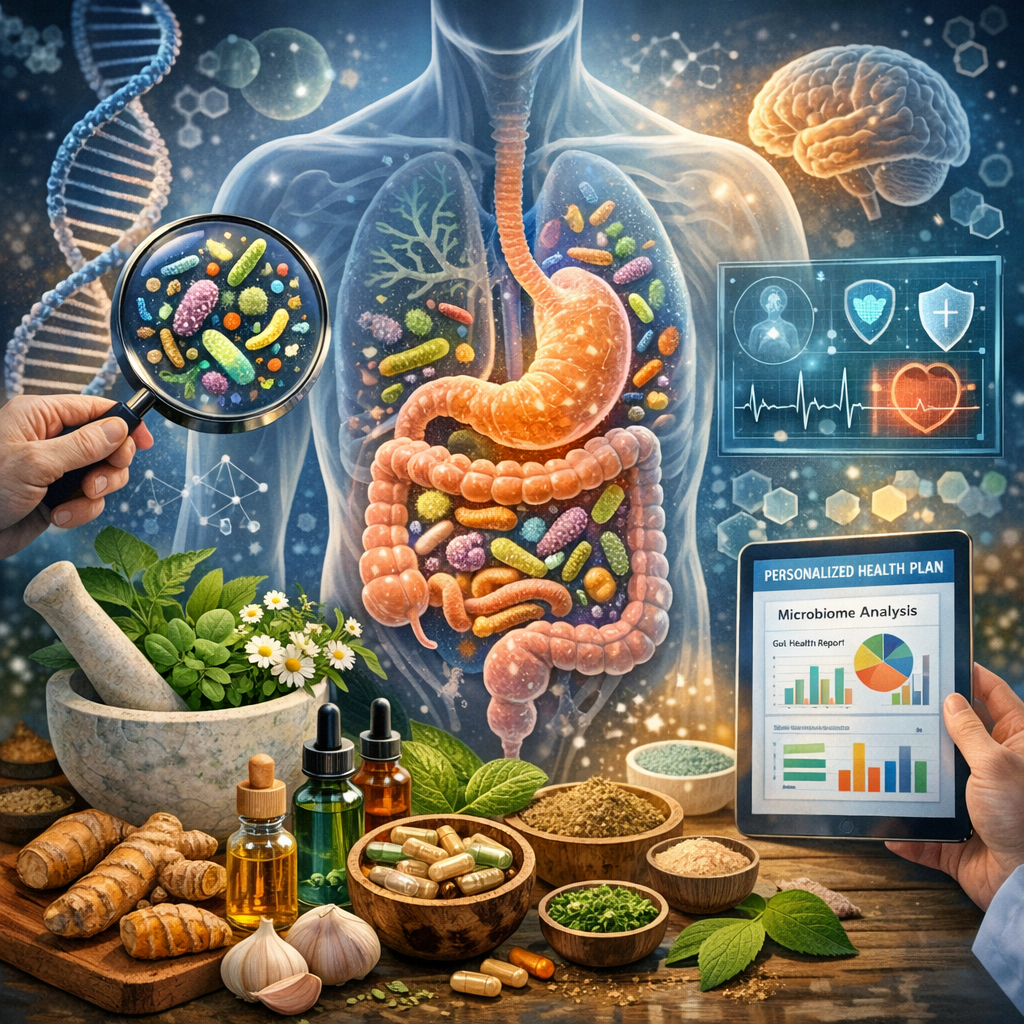
The Future of Gut Health: Decoding Your Microbiome’s Role in Personalized Medicine
Introduction
The intricate universe residing within your digestive tract is a burgeoning field of study that holds remarkable potential for revolutionizing healthcare. Within the human gut is a complex, dynamic community of trillions of microorganisms known as the gut microbiome. This microbial ecosystem plays a pivotal role in digestive processes, immune function, and even mental health. While the study of gut health isn’t new, recent advances in technology and research have ignited a surge of interest in how our gut microbiomes can be decoded to tailor personalized medical treatments. This approach aims to transform how we perceive disease prevention, management, and overall health maintenance.
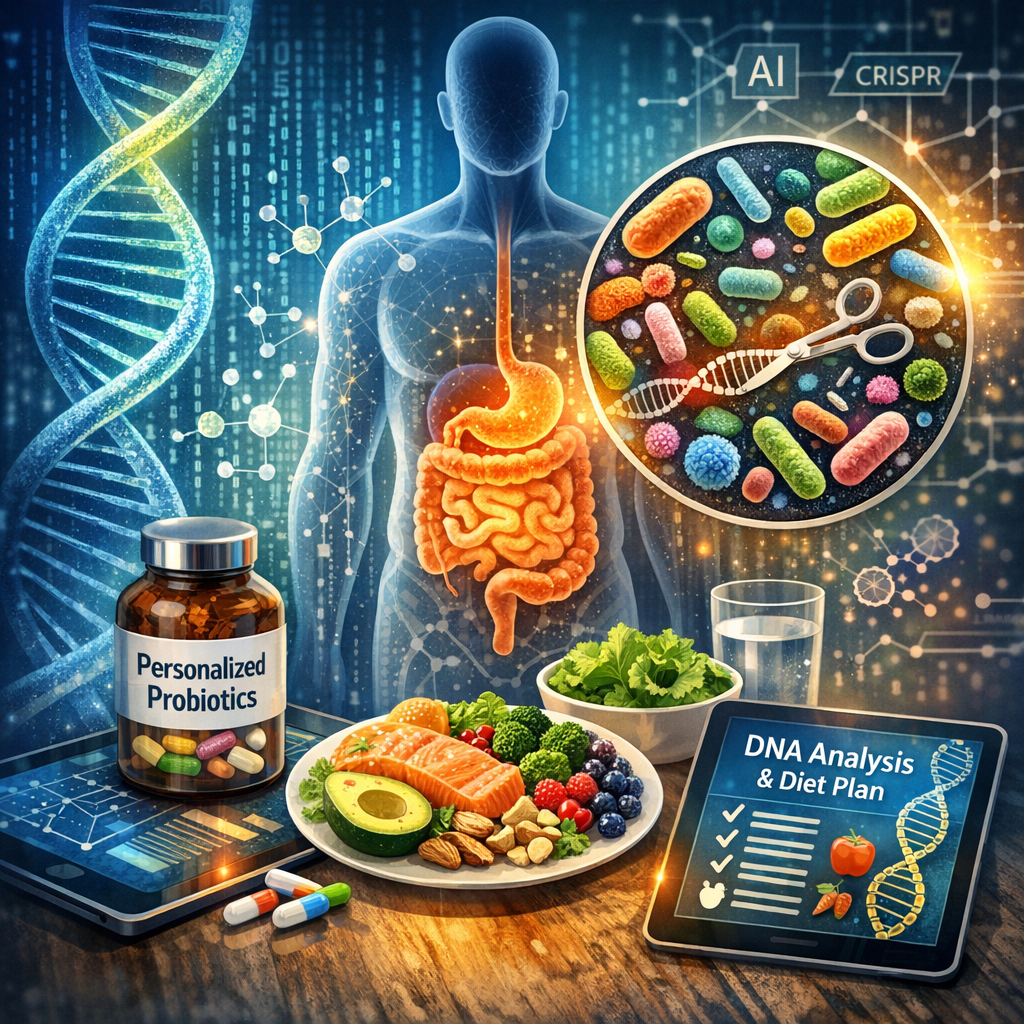
Researchers have discovered that the gut microbiome can differ substantially from person to person, influenced by genetics, diet, lifestyle, and environmental factors. Such diversity not only confirms why certain diets or medications work better for some individuals than others but also underscores the importance of personalizing healthcare strategies. By understanding one’s unique microbiome, healthcare providers could customize dietary recommendations, probiotics, and even medications to optimize an individual’s health outcomes.
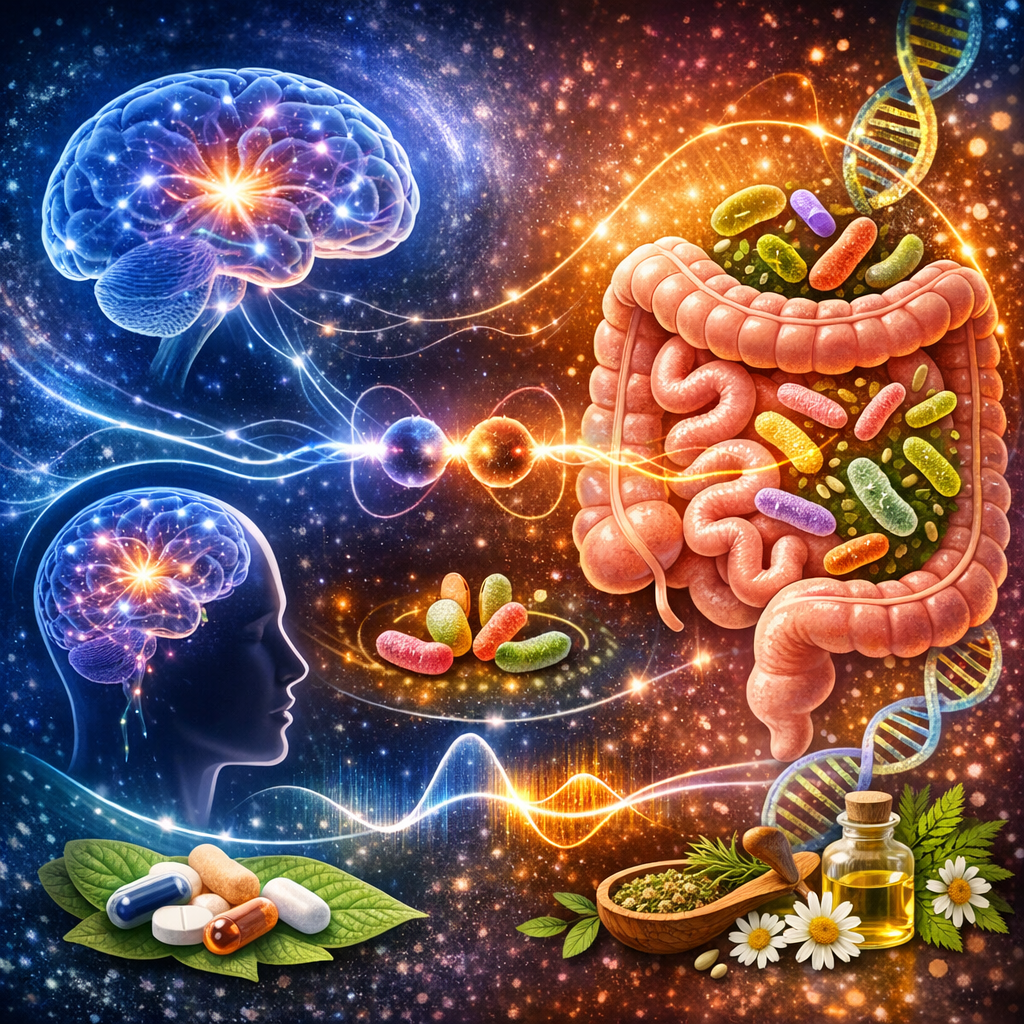
The implications for leveraging gut microbiota in medicine are profound. For instance, the potential for using microbiome data to predict susceptibility to certain chronic diseases, like obesity, diabetes, and inflammatory bowel diseases, could initiate a proactive healthcare model, empowering individuals to make informed decisions about their wellbeing. Moreover, we are beginning to appreciate the gut-brain axis, which suggests that our gut health significantly affects our mental health, offering new vistas for managing mental health disorders through microbiome manipulation.
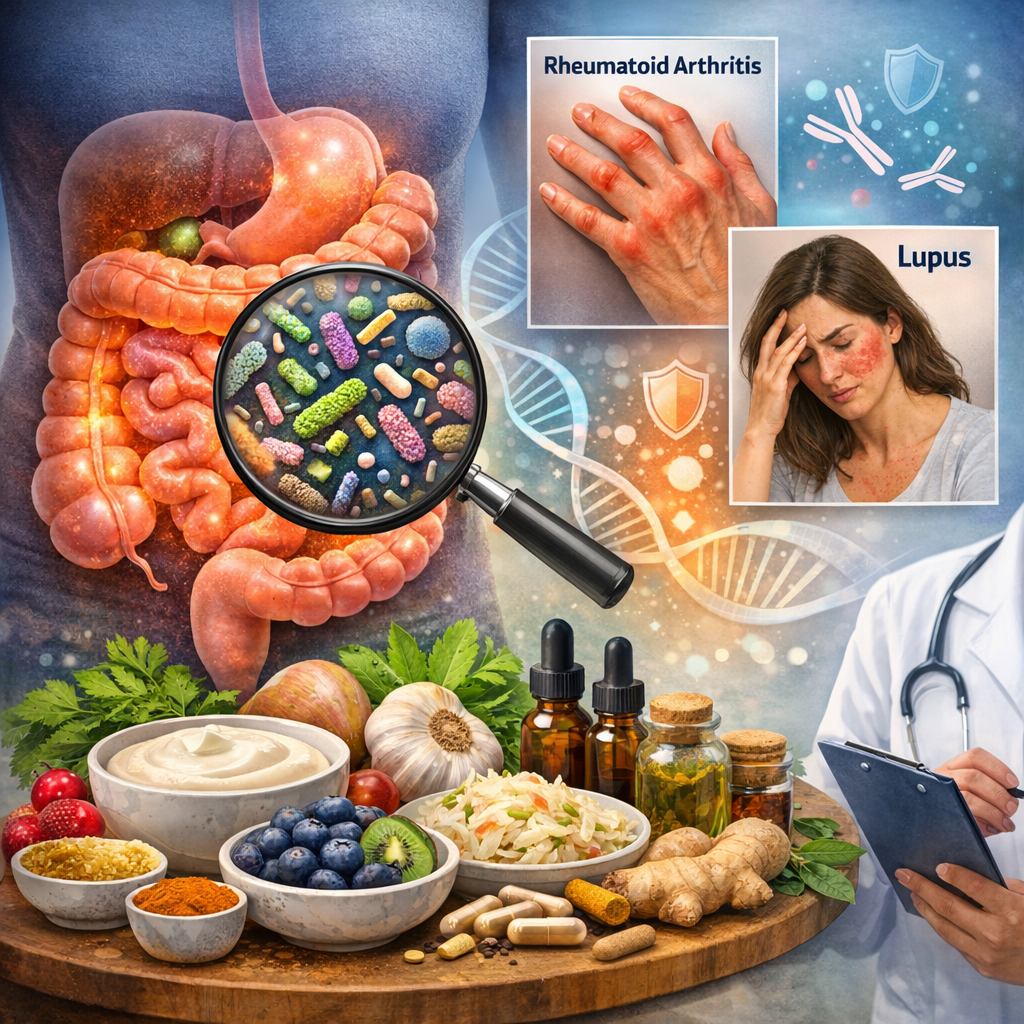
Emerging from these discoveries is the movement towards utilizing natural cures and herbal treatments that align with our microbiomes. Incorporating herbs such as garlic, ginger, and turmeric, known for their antimicrobial and anti-inflammatory properties, can harmonize our gut flora. Such holistic approaches, grounded in scientific understanding, pave the way for a future where gut health is at the forefront of personalized medicine.
Features
The growing field of microbiome research continues to deliver intriguing insights. Notably, a study titled “The Human Microbiome Project” conducted by the National Institutes of Health has provided a significant leap in understanding the widespread complexities of the human microbiota. This ambitious project established a foundational reference for microbial variants across the body and highlighted the profound differences in the microbial populations among individuals. These discoveries form a critical basis for advancing personalized medicine tailored to individual microbiomes.
Further cementing the symbiotic relationship between gut health and overall wellness, a study published in *Nature Reviews Microbiology* illustrated how gut flora not only contributes to digestive efficiency but also affects immune system development and function. The study emphasized that a balanced and diverse gut microbiota is imperative for inhibiting pathogenic bacteria, reducing inflammation, and even moderating metabolic and cardiovascular health risks.
Moreover, another compelling area of research lies in the connection between the gut-brain axis. A systematic review published in *Psychiatry Research* explored how alterations in gut microbiota could influence neurodevelopment, potentially affecting neurological conditions, including depression and anxiety. This review underscored the significance of considering probiotic treatments and diet adjustments as part of mental health strategies.
Natural and herbal interventions are also attracting scientific scrutiny. According to a research article in *Frontiers in Pharmacology*, the anti-inflammatory and antioxidant properties of herbs like curcumin from turmeric, allicin from garlic, and the active compounds in ginger have demonstrated potential in modulating gut microbiota. These findings advocate for the integration of specific herbal diets as complementary therapies in managing digestive and metabolic diseases.
Conclusion
In conclusion, as the frontier of medicine progresses, the dynamic interplay between our microbiomes and health becomes pivotal in shaping the future of personalized healthcare. The insights gleaned from microbiome research advocate for bespoke medical interventions that cater to individual microbial profiles, promising enhancements in disease prevention, diagnosis, and treatment. Embracing the potential of natural and herbal remedies offers a holistic complement to traditional therapies, fostering an integrated approach to health that respects the uniqueness of each individual’s microbial makeup. As research continues to unravel the mysteries of our gut ecosystem, harnessing its power could revolutionize our approach to achieving and maintaining comprehensive health.
References
1. [Human Microbiome Project Consortium. (2012). Structure, function and diversity of the healthy human microbiome. *Nature*, 486(7402), 207-214.](https://www.nature.com/articles/nature11234)
2. [El Aidy, S., Dinan, T.G., & Cryan, J.F. (2015). Gut Microbiota: The Conductor in the Orchestra of Immune-Neuroendocrine Communication. *Clinical Therapeutics*, 37(5), 954-967.](https://www.sciencedirect.com/science/article/abs/pii/S0149291815003806)
3. [Smith, P.A. (2015). The tantalizing links between gut microbes and the brain. *Nature*, 526(7573), 312-314.](https://www.nature.com/articles/nature15674)
4. [Gupta, S. C., Prasad, S., Aggarwal, B. B. (2013). Curcumin, a component of golden spice: From bedside to bench and back. *Biotechnology Advances*, 31(8), 1578-1591.](https://www.sciencedirect.com/science/article/pii/S0734975013001805)
Concise Summary: The human gut microbiome plays a crucial role in health, influencing digestion, immune function, and mental well-being. Advances in research and technology have opened new paths for personalized medicine based on unique microbiome profiles. These insights promise tailored interventions for chronic diseases and mental health disorders, while natural cures like herbs further complement health strategies. Studies highlight the diverse nature of microbiomes due to factors like diet and genetics, underscoring the need for customized healthcare approaches. As the understanding of microbiomes grows, personalized medicine could reshape disease prevention, management, and overall health maintenance.