Harnessing Gut Bacteria Signatures for Precision Medicine: The Future of Personalized Gut Health Solutions
In recent years, the burgeoning field of precision medicine has sparked interest in its potential to transform healthcare by tailoring treatment strategies to individuals based on genetic, environmental, and lifestyle factors. A particularly promising area of this approach involves the human gut microbiome, a complex community of trillions of microorganisms residing in our digestive tract. These microscopic inhabitants play a pivotal role in various bodily functions, including digestion, immunity, and even mental health. As we gain a deeper understanding of these gut bacteria, it becomes increasingly clear that they hold the key to unlocking individualized health solutions, particularly for those seeking natural cures and herbal treatments for gut health.
The gut microbiome varies significantly from person to person, influenced by factors such as diet, genetics, age, and environment. This variability has profound implications for health and disease, as imbalances in gut microbiota are linked to numerous conditions, including irritable bowel syndrome, obesity, diabetes, and mental health disorders. Recent research has shown that each person has a unique “gut bacteria signature,” which can be analyzed to provide insights into their health status and potential disease risks.
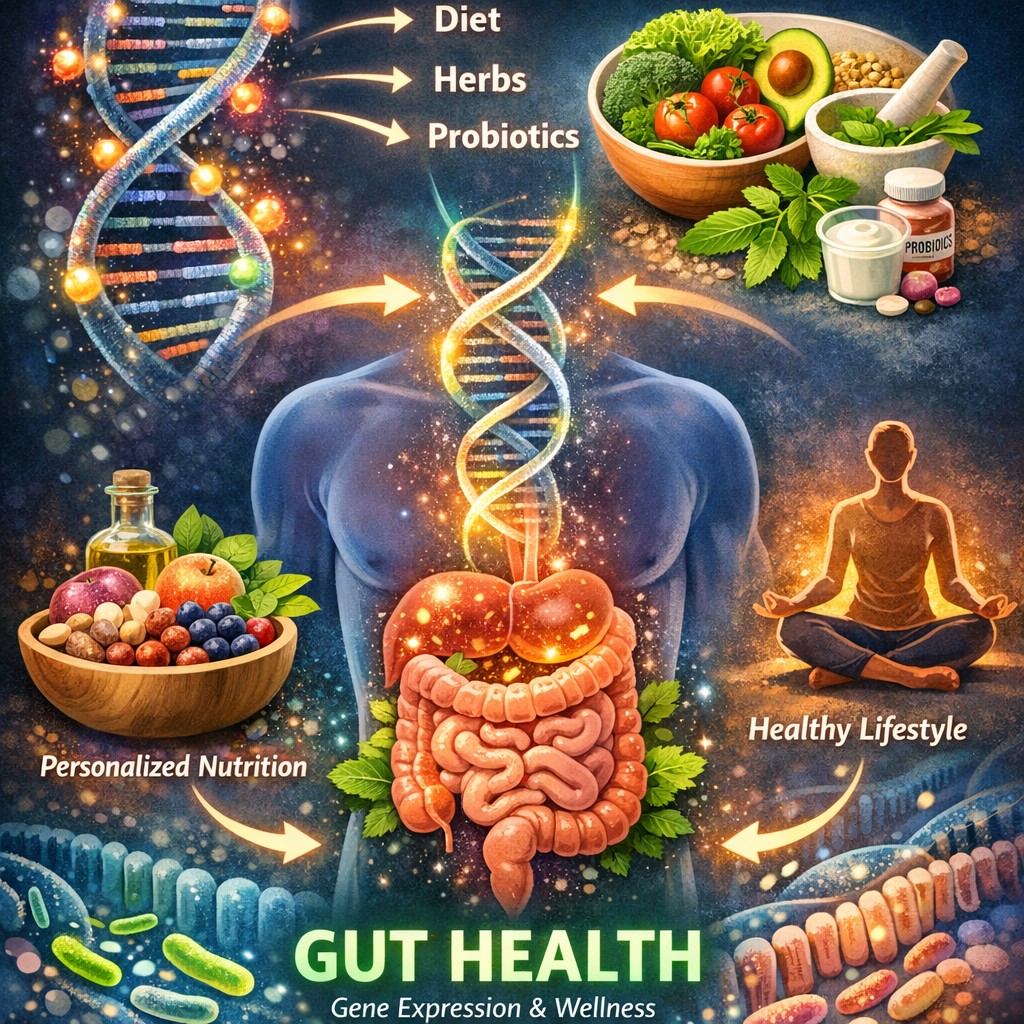
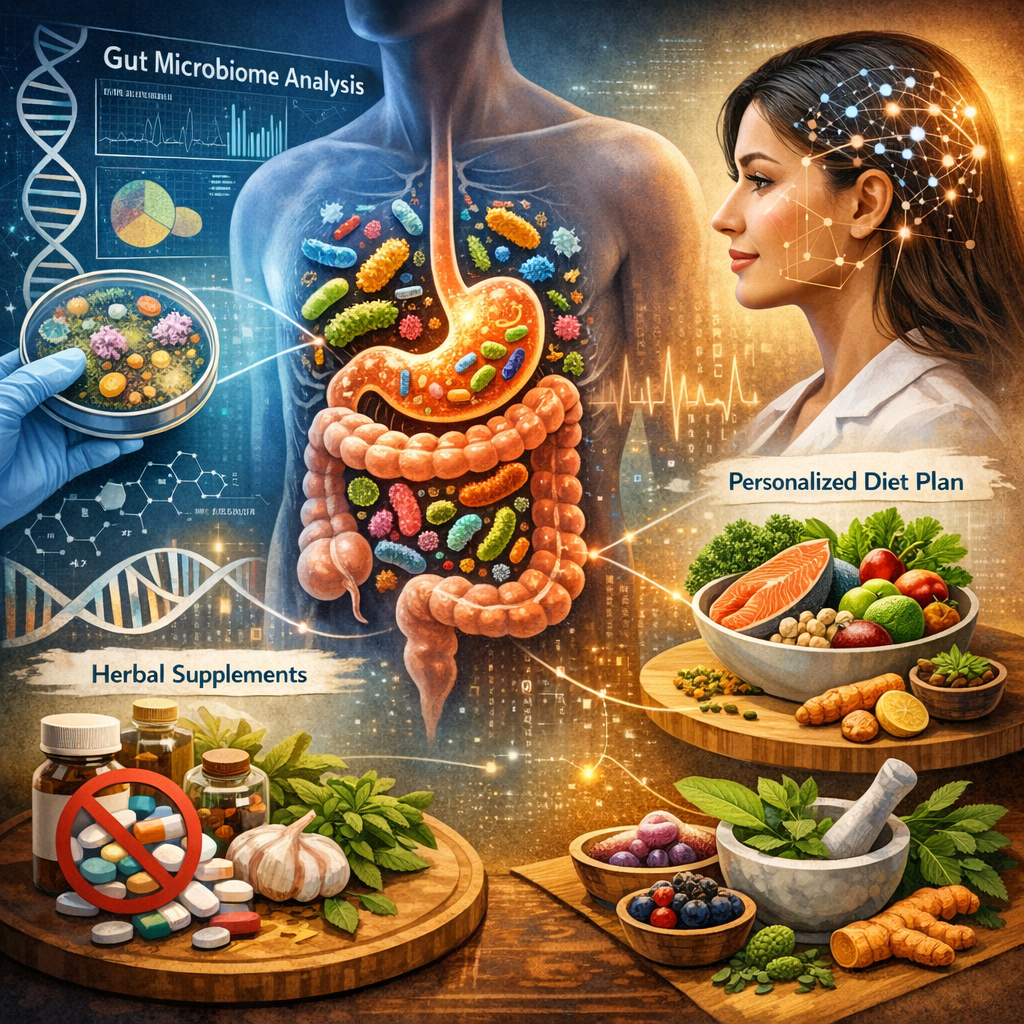
Incorporating the concept of precision medicine, researchers and practitioners are increasingly looking at harnessing these unique bacterial signatures to develop personalized gut health solutions. Leveraging advanced technologies such as metagenomics and bioinformatics, scientists can analyze an individual’s microbiota composition to create tailor-made interventions, including diet modifications, lifestyle changes, and personalized probiotic and herbal supplements. Such precision-targeted strategies promise an era of personalized treatments that optimize gut health while minimizing the use of conventional pharmaceuticals.
Moreover, understanding one’s gut bacteria signature can help identify the most effective natural remedies. For instance, the efficacy of specific herbal treatments, such as peppermint oil for IBS or ginger for digestion, may be contingent upon an individual’s microbiome composition. Personalization based on gut bacteria could significantly enhance the therapeutic outcomes of these treatments, ultimately leading to more targeted and effective natural healthcare solutions.
Features
Numerous studies underscore the potential of gut bacteria signatures in advancing precision medicine and personalized gut health solutions. For example, a landmark study published in the journal [*Nature*](https://www.nature.com/articles/nature11234) employed metagenomic sequencing to analyze the gut microbiomes of participants with various metabolic disorders. The findings revealed distinct microbial profiles that correlated with health conditions, emphasizing the role of gut bacteria as biomarkers for personalized medical interventions.
Similarly, research published in [*Microbiome*](https://microbiomejournal.biomedcentral.com/articles/10.1186/s40168-018-0474-6) explored the use of personalized diet interventions based on gut microbiome analysis. Participants who received individualized dietary recommendations demonstrated significant improvements in metabolic health markers compared to those on a standard healthy diet. This study underscores the potential of personalized nutritional strategies in optimizing gut health and preventing disease.
Additionally, the [American Gut Project](https://microbio.me/AmericanGut/), one of the largest crowdsourced, citizen science projects, has been invaluable in understanding how lifestyle and dietary factors influence gut microbiota composition. By analyzing gut bacteria signatures from thousands of volunteers, the project has provided insights into the connections between microbiome diversity and health, paving the way for more personalized and nature-based approaches to gut health enhancements.
Integrative medicine practitioners are also acknowledging the value of personalized microbiome analysis. For instance, some clinicians incorporate gut bacteria profiling in their holistic treatment plans, utilizing the data to create customized probiotic and prebiotic regimens, as well as recommending specific herbal interventions tailored to an individual’s microbiome makeup.
As technology and research progress, our capability to decode and interpret gut bacteria signatures will only refine further, allowing for increasingly precise and effective natural treatments. The integration of individualized microbiome analysis with herbal and dietary interventions holds the potential to revolutionize gut health management, offering efficacious and personalized alternatives to conventional treatments.
Conclusion
The future of personalized gut health solutions lies in our ability to harness the power of gut bacteria signatures through precision medicine. As research continues to disentangle the complex relationships between microbiota composition and overall health, personalized interventions offer the potential to significantly improve individual well-being. By leveraging cutting-edge technologies alongside natural remedies, we are on the brink of a new era where tailored solutions will redefine gut health management, offering hope for those seeking natural and effective treatments. The collaborative efforts of researchers, healthcare providers, and technology innovators will undoubtedly drive this paradigm shift, paving the way for a future where personalized gut health is accessible to all.
References
1. [Nature – Human Microbiome Project](https://www.nature.com/articles/nature11234)
2. [Microbiome – Dietary Interventions and Microbiota Analysis](https://microbiomejournal.biomedcentral.com/articles/10.1186/s40168-018-0474-6)
3. [American Gut Project](https://microbio.me/AmericanGut/)
Concise Summary
The article explores how precision medicine can utilize the gut microbiome to create personalized health solutions. By analyzing individual “gut bacteria signatures” through technologies like metagenomics, tailored interventions such as diet, lifestyle changes, and personalized supplements can be developed. This approach promises improved outcomes for conditions linked to gut microbiota, like IBS and obesity. Studies have shown the effectiveness of personalized strategies in enhancing health markers and preventive care. As research progresses, integrating microbiome analysis with natural remedies could revolutionize gut health management, offering more precise and effective alternatives to traditional treatments.