Revolutionizing Gut Health: The Next Frontier of AI-Driven Personalized Microbiome Mapping
In recent years, the importance of gut health has gained unprecedented attention from both medical professionals and the general public. As research continues to unravel the complexities of the human microbiome, it’s become increasingly evident that our gut plays a pivotal role in our overall health. Beyond just digestion, the gut microbiome influences immune function, metabolism, and even mental health. As we venture deeper into the 21st century, AI-driven personalized microbiome mapping emerges as a revolutionary approach that could transform how we understand and care for our gut health.
The gut microbiome consists of trillions of microorganisms, including bacteria, viruses, and fungi, residing in our digestive tract. Each individual’s microbiome is unique, shaped by genetics, diet, lifestyle, and environment. Traditional methods of analyzing the microbiome involve generalizing treatments based on broad patterns, often leading to inconsistent results. However, as technology evolves, artificial intelligence (AI) is opening new avenues for highly personalized health interventions.
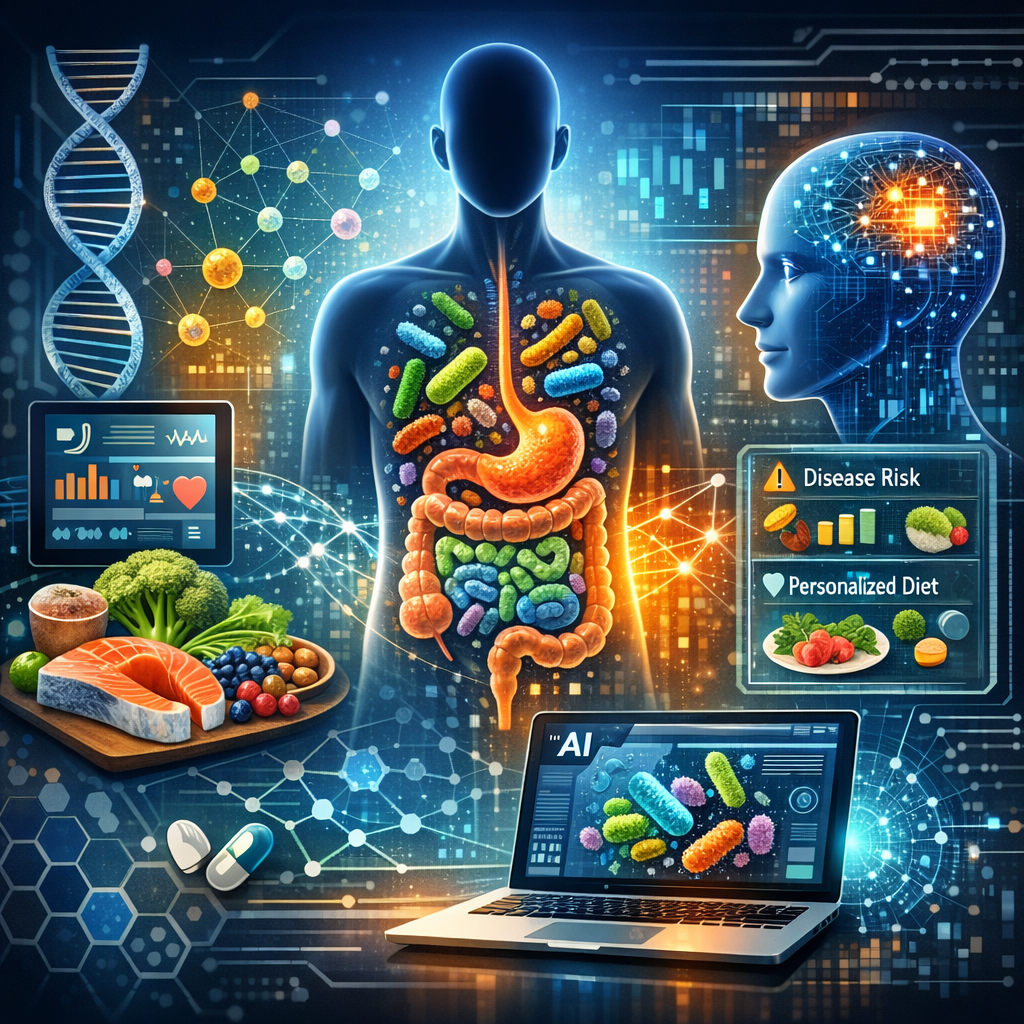
AI’s potential to decode and analyze complex biological data makes it a powerful tool in understanding human health. When applied to microbiome analysis, AI can sift through vast datasets to identify patterns, recognize imbalances, and predict health outcomes. This capability is the cornerstone of personalized microbiome mapping, where AI customizes recommendations for dietary changes, supplements, and lifestyle adjustments based on an individual’s unique microbiota composition. By using AI to interpret microbiome data, we can move from a one-size-fits-all approach to a tailored strategy that considers the nuanced differences in each person’s gut environment.
An AI-driven approach to microbiome mapping is already demonstrating promise in clinical settings. Cutting-edge studies are showing how specific microbiome compositions correlate with diseases like irritable bowel syndrome (IBS), obesity, and even depression. With AI’s predictive capabilities, healthcare providers can anticipate potential health issues before they manifest and offer preventative measures. This proactive strategy marks a significant shift from traditional reactive healthcare models and has the potential to enhance the efficacy of treatments.
Features: The Science Behind AI in Microbiome Mapping
In the realm of scientific research, the integration of AI with microbiome studies is yielding groundbreaking insights. A study published in [*Nature Biotechnology*](https://www.nature.com/articles/nbt.1614) highlighted AI’s ability to predict disease outcomes based on microbiome data. The researchers developed an AI algorithm that accurately forecasted the onset of diseases like inflammatory bowel disease (IBD) by analyzing microbial diversity and composition. These findings underscore AI’s capacity to offer early interventions and tailored therapeutic strategies.
Another pivotal study published in [*Cell*](https://www.cell.com/fulltext/S0092-8674(15)01481-6) enhanced our comprehension of microbiome functionality using AI technologies. Researchers leveraged AI to map complex interactions within microbial communities, revealing how specific bacteria contribute to metabolic processes and immune responses. This intricate mapping process is critical for developing personalized dietary and probiotic recommendations aimed at optimizing gut health. The study’s findings lay the groundwork for further exploration into targeted therapies that can ameliorate or even eradicate microbiome-related disorders.
Moreover, clinical trials are underway exploring AI’s efficacy in tailoring treatments for conditions like Type 2 diabetes. By analyzing gut microbiota variability, AI tools can recommend individualized dietary modulations, evidenced by research from the Weizmann Institute of Science. Participants in these trials who adhered to AI-generated dietary plans exhibited pronounced improvements in glycemic control compared to those following generic dietary advice.
Despite these advances, challenges remain. The complexity of the microbiome and the influence of myriad factors make it difficult to establish one definitive model of gut health. However, AI’s adaptive learning capabilities mean that as additional data is gathered, models can evolve to accommodate new insights, continuously refining personalized health recommendations.
Conclusion
The marriage of AI and microbiome research is fundamentally reshaping our approach to gut health. By offering personalized solutions based on an individual’s microbial makeup, AI-driven microbiome mapping holds the potential to revolutionize preventive healthcare. While hurdles remain in comprehensively understanding the microbiome’s complexity, ongoing research and technological advancements continue to refine our approaches. As we stand on the cusp of this transformative era, the future promises not only improved gut health but a pioneering model of precision medicine that addresses health at its core.
References
1. [Li, H., & Durbin, R. (2010). Fast and accurate long-read alignment with Burrows–Wheeler transform. *Nature Biotechnology*.](https://www.nature.com/articles/nbt.1614)
2. [Zeevi, D., et al. (2015). Personalized Nutrition by Prediction of Glycemic Responses. *Cell*.](https://www.cell.com/fulltext/S0092-8674(15)01481-6)
Concise Summary
The exploration of the human gut microbiome and its impact on health is evolving with AI-driven personalized mapping. This transformative approach allows for tailored dietary, lifestyle, and therapeutic interventions by analyzing individual microbiome compositions. Superior to traditional methods, AI offers precision by forecasting disease risks like IBS and diabetes and suggesting preventive measures. Though challenges remain, AI’s adaptability promises continuous refinement of gut health strategies. This synergy of AI and microbiome research heralds a new frontier in preventive and personalized medicine that is fundamentally reshaping healthcare expectations and outcomes.