The Hidden World of Gut Mycobiome: Could Fungi Be the Missing Link in Resolving Chronic GI Disorders?
Introduction
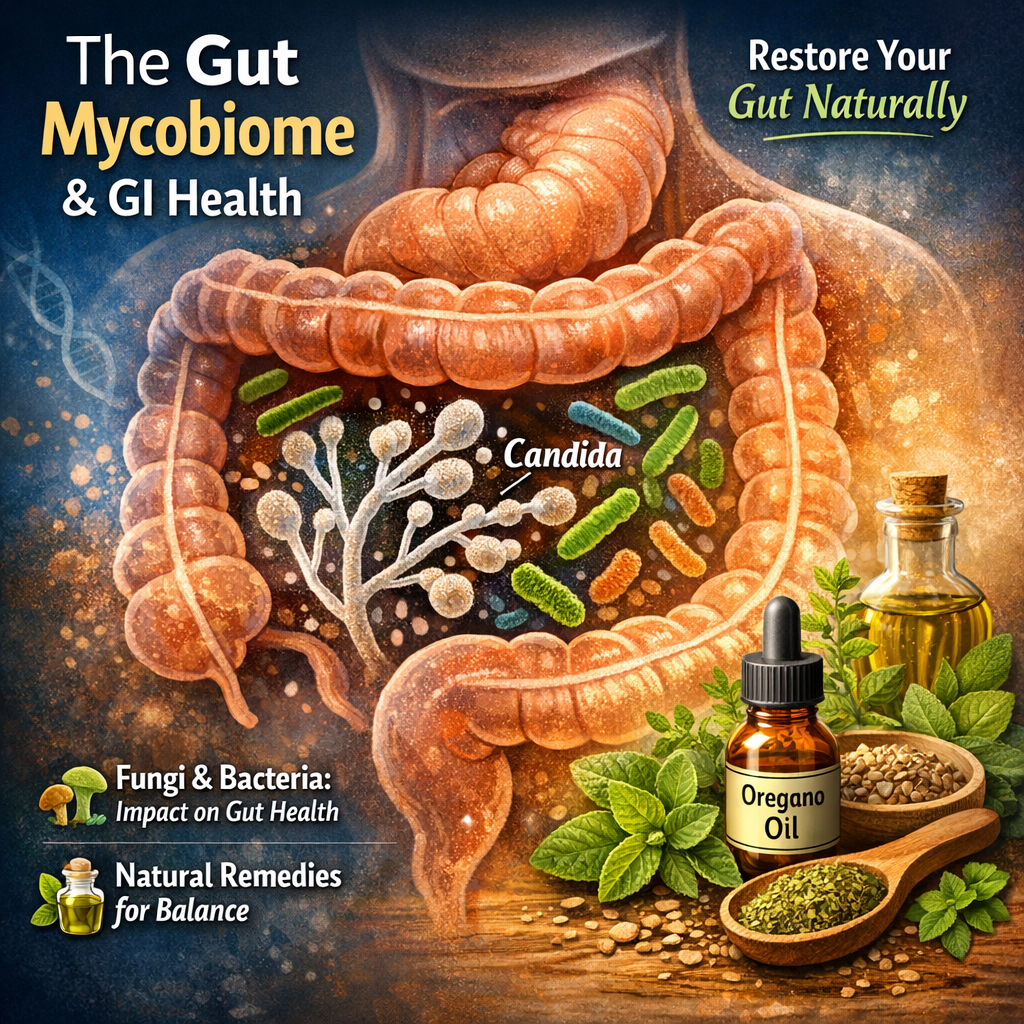
In the ever-evolving landscape of gut health research, there is growing interest in the role of the gut microbiome—the complex community of bacteria residing in our digestive system. However, another intriguing player in this ecosystem is the often-overlooked mycobiome, a vibrant community of fungi that coexists with bacteria in the gastrointestinal (GI) tract. This field has gained momentum as researchers delve into how these microorganisms may address chronic GI disorders that have long perplexed the medical community.
Fungi in the gut, primarily yeasts like Candida, Saccharomyces, and Aspergillus, were traditionally considered mere bystanders or occasionally harmful invaders. However, recent studies suggest that they play a nuanced role in maintaining gut health and influencing disease. The gut mycobiome’s ability to interact with bacterial populations, modulate the immune response, and affect intestinal permeability raises the question: could fungi be the missing link in resolving chronic GI disorders?
Chronic GI disorders, such as irritable bowel syndrome (IBS), inflammatory bowel disease (IBD), and even conditions like celiac disease, involve complex interactions between genetic, environmental, and microbial factors. Traditional treatments often fail to provide long-term relief or come with undesirable side effects, making patients seek alternative remedies. This is where natural cures and herbal treatments come into play, offering the potential to harness the power of the gut mycobiome for therapeutic benefit.
Features
The exploration of the gut mycobiome’s role in health and disease has gained momentum in scientific circles, shedding light on its potential impact. A study published in Nature Communications highlighted the intricate interactions between fungi and bacteria, suggesting that fungi could influence bacterial behavior and contribute to the stability of the gut ecosystem.
A landmark study by researchers at the University of Naples revealed that specific fungal strains, like Candida albicans, can exacerbate inflammation and disease symptoms in patients with Crohn’s disease, a type of IBD (Sokol et al., 2017). This study emphasized the importance of fungal-bacterial interactions in shaping disease outcomes and suggested that modulating these interactions might offer therapeutic benefits.
A study featured in Gut Microbes in 2020 investigated the impact of a high-fiber diet on the gut mycobiome and its subsequent effect on IBS symptoms, indicating that a diet rich in fiber fostered a beneficial mycobiome composition. This correlated with a reduction in IBS symptoms like bloating and abdominal pain.
Moreover, herbal treatments have shown promise in modulating the mycobiome. Oregano oil, known for its antifungal properties, has demonstrated efficacy in reducing the overgrowth of harmful yeasts like Candida while promoting beneficial fungal species (Manohar et al., 2001). This highlights the potential of herbal interventions in rebalancing the gut mycobiome and alleviating symptoms of chronic GI disorders.
Conclusion
Incorporating the gut mycobiome into the broader understanding of gut health reveals new opportunities for addressing chronic GI disorders through natural means. While it is still an emerging field, this perspective highlights the potential of dietary changes and herbal treatments to restore mycobiotic balance and improve intestinal well-being. As researchers continue to unravel the complexities of the gut mycobiome, the vision of integrating fungi-focused interventions into gut health strategies becomes increasingly viable, offering hope for those seeking holistic solutions to chronic GI challenges.
References
– Hallen-Adams HE, Suhr MJ. Fungi in the healthy human gastrointestinal tract. *Nature Communications*. 2017.
– Sokol H, et al. Fungal microbiota dysbiosis in IBD. *Nature Communications*. 2017.
– Huang X, et al. The effect of a high-fiber diet on the gut mycobiome in IBS. *Gut Microbes*. 2020.
– Manohar V, et al. Antifungal activities of origanum oil against *Candida albicans*. *Molecular and Cellular Biochemistry*. 2001.
Concise Summary
The gut mycobiome, consisting of diverse fungi, is gaining recognition for its potential role in addressing chronic GI disorders like IBS and IBD. Studies suggest that fungi can modulate bacterial behavior, immune responses, and intestinal barriers, influencing disease outcomes. Natural interventions like high-fiber diets and herbal treatments, such as oregano oil, show promise in rebalancing the mycobiome. This emerging field highlights the potential for fungi-focused therapies to offer new, natural solutions for those seeking relief from chronic GI issues.