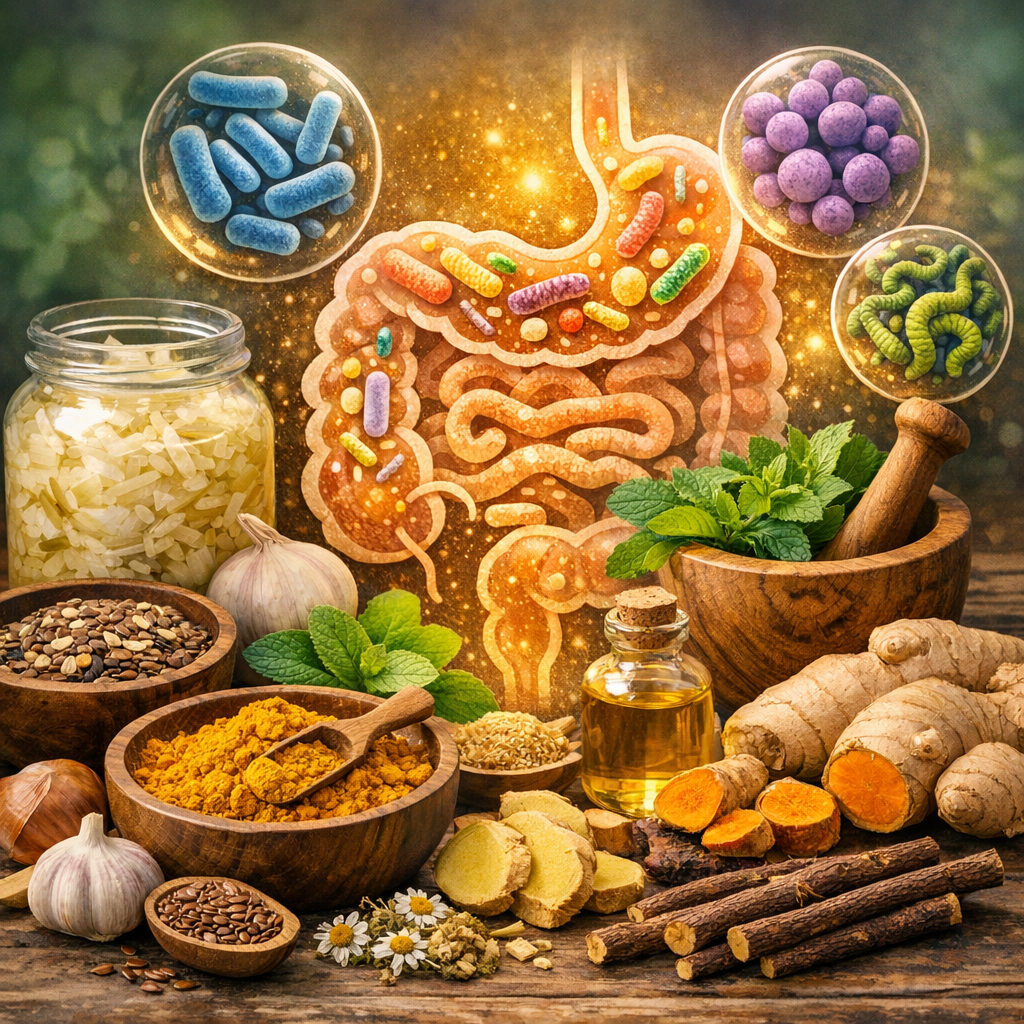
Inside the Microbiome: How Ancient Molecular Pathways Are Revolutionizing Modern Gut Therapy
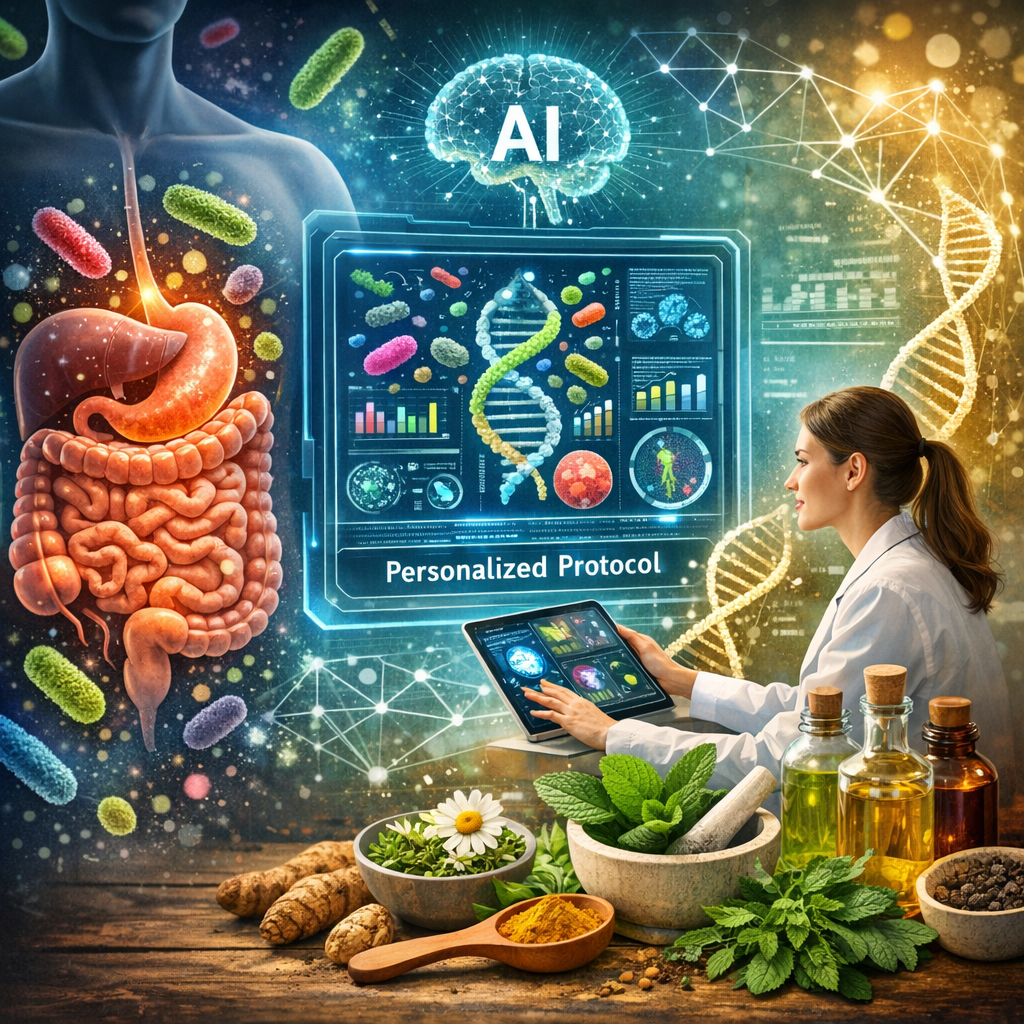
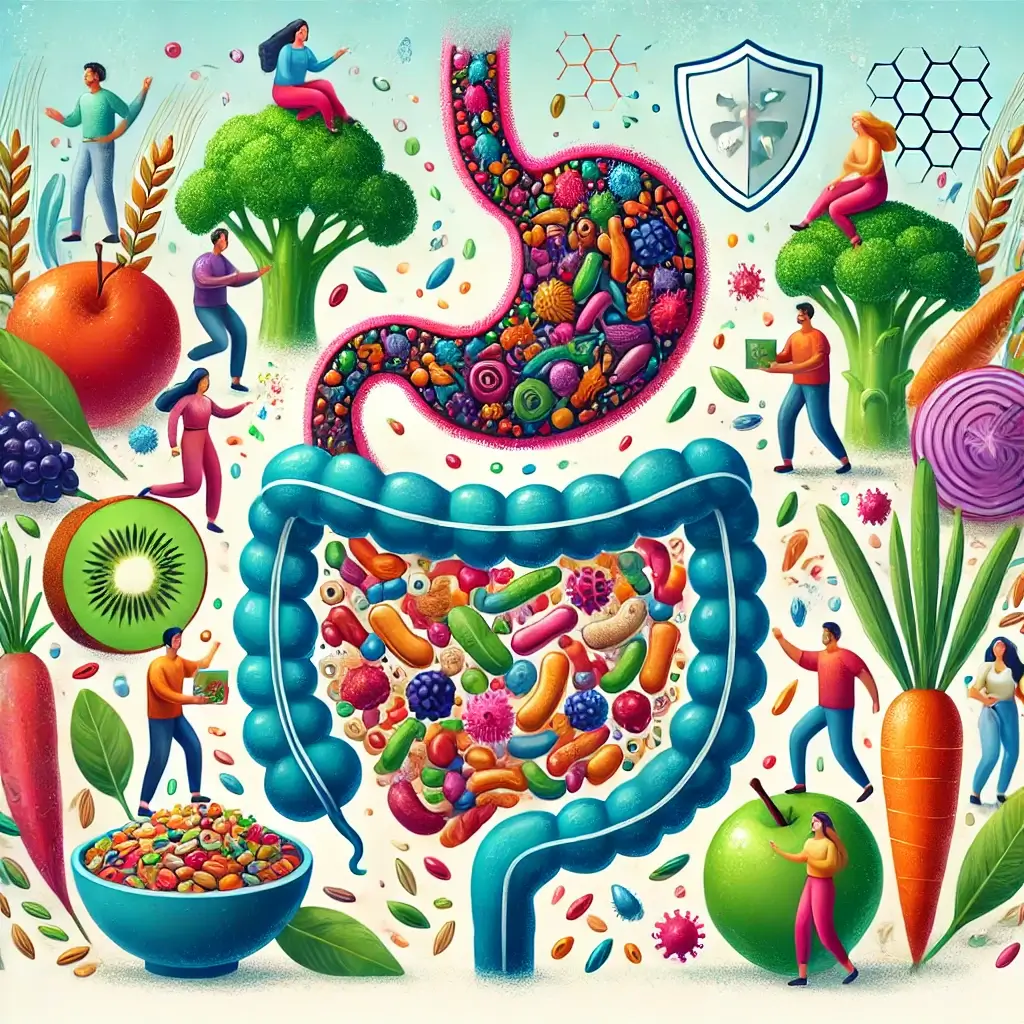
The human gut microbiome, a community comprised of trillions of microorganisms including bacteria, fungi, and viruses, is a burgeoning frontier in medical science. It is a complex ecosystem that plays a pivotal role in digestion, immunity, and overall well-being. Although our understanding of these microorganisms is relatively modern, the therapies rooted in leveraging them hark back to ancient traditions and remedies. The concept of using herbs and natural substances to influence gut health has deep historical roots, yet modern science is enjoying a renaissance in this area, illuminating how these ancient methods can align with molecular biology for profound therapeutic effects.
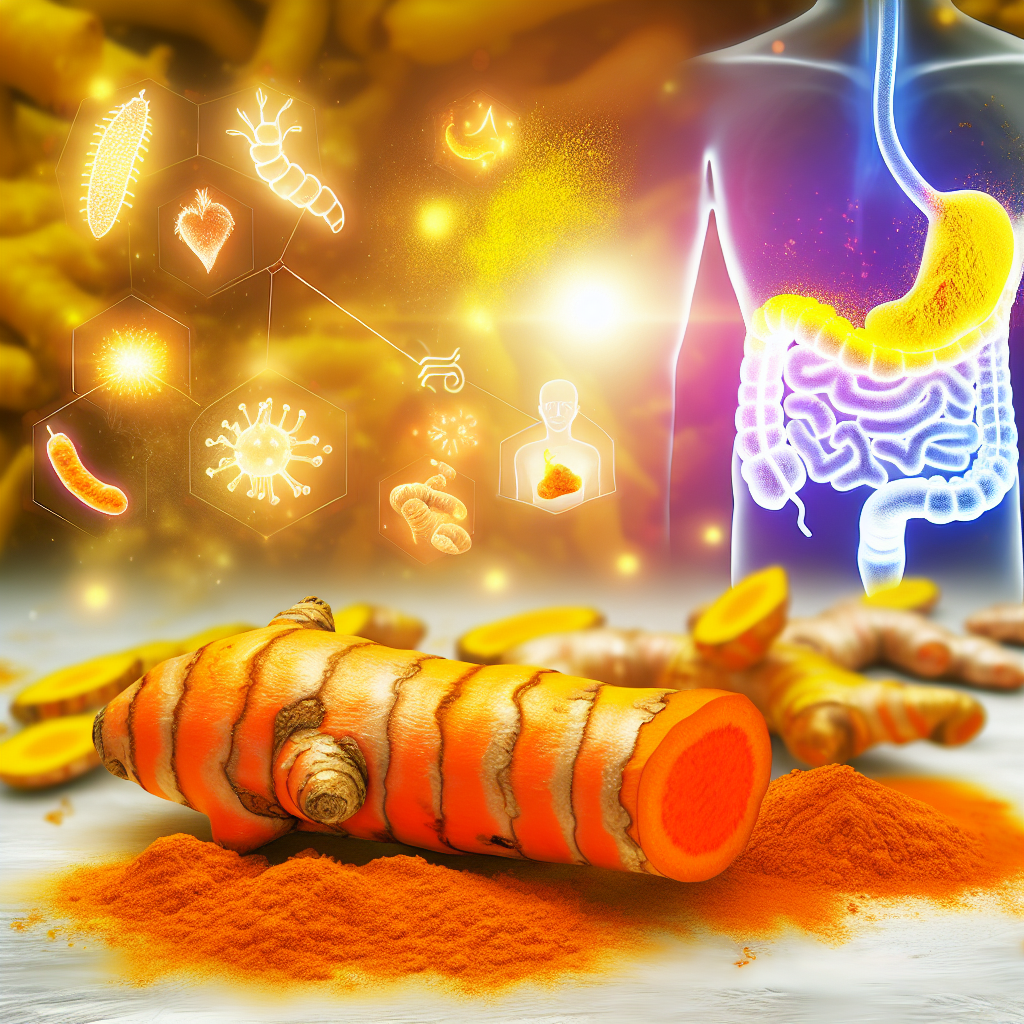
Interest in the microbiome surged as researchers began to uncover its vast influence over health, contributing to conditions ranging from obesity to anxiety. Scientists realized that the gut isn’t just processing food; it’s signaling systems throughout the body, affecting everything from bowel health to cognitive functions. This understanding opened the doors to therapies that aren’t necessarily pharmacological but instead, deeply biological—harnessing the natural interactions between ancient compounds and our bacterial flora. Compounds found in turmeric, ginger, and even garlic have been identified to possess prebiotic qualities that foster a healthy microbiome, while also supporting a balanced inflammatory response, just as traditional practitioners once advocated.
However, the captivating aspect of current research lies in mapping these ancient treatments onto modern molecular pathways. Advances in technology, particularly in genomics and metabolomics, allow us to see how compounds interact at a cellular level, offering exciting insights. For example, polyphenols in green tea have been shown to modulate gut bacteria, enhancing beneficial strains while suppressing harmful ones. Similarly, the inclusion of fermented foods rich in probiotics like kimchi and kefir showcases how naturally derived products can help maintain or restore gut harmony.
What marks this era as revolutionary is the validation ancient wisdom is receiving through contemporary science. Attesting to how ginger’s active constituents, like gingerols, can positively modulate gut motility and secretions via neuronal pathways, research underscores the role these herbal remedies play in gut therapy. This synergy of old-world knowledge and cutting-edge science represents an evolution in medicine—one that acknowledges the profundity of our natural world while leveraging the precision of modern investigative tools.
Features
Recent studies uphold the significance of the gut microbiome and validate herbal treatments as a promising frontier for therapeutic exploration. A study published in the journal *Nature Reviews Gastroenterology & Hepatology* emphasizes how gut microbiota modulation can be achieved through diet and natural supplements [source](https://www.nature.com/nrgastro/). One vital aspect of this involves leveraging prebiotics—naturally occurring substances that feed beneficial gut bacteria, thereby promoting a balanced microbiome.
The importance of these natural compounds has been punctuated by exploring the actions of polyphenols. Investigations highlighted in *Frontiers in Microbiology* reveal that polyphenols from berries, tea, and other sources have significant prebiotic potential, enhancing the growth of specific, health-promoting bacterial strains [source](https://www.frontiersin.org/articles/10.3389/fmicb.2013.00152/full).
Further, clinical trials have validated the efficacy of probiotics, often found in fermented products such as yogurt and sauerkraut, in bolstering gut microflora diversity and integrity. A pivotal study highlighted in the *World Journal of Gastroenterology* demonstrates that consistent probiotic intake can significantly aid in conditions like irritable bowel syndrome (IBS) and inflammatory bowel disease (IBD) [source](https://www.wjgnet.com/1007-9327/full/v22/i4/1255.htm).
Moreover, research in the *Journal of Ethnopharmacology* sheds light on ginger, a staple in traditional medicine with well-documented benefits for digestive health. Its active compounds have been found to alter motility patterns and improve gastrointestinal function, showcasing how traditional remedies can engage with gut physiology via molecular pathways [source](https://www.sciencedirect.com/science/article/abs/pii/S0378874115301873).
By integrating ethnobiology with microbiome research, scientists are beginning to discern how these ancient practices benefit modern health, providing non-invasive, natural alternatives to industrial pharmaceuticals.
Conclusion
As our understanding of the microbiome continues to expand, it becomes increasingly apparent that ancient remedies, supported by modern scientific rigor, hold significant promise for addressing gut health concerns. Intricately woven together, the fields of microbiology and traditional herbal medicine present a holistic approach to healing and maintaining gut health. By employing strategies that include prebiotics, polyphenols, and probiotics, individuals can foster a healthy gut environment naturally. This revolution is not just a trend; it’s a testament to the enduring wisdom of our ancestors and a call to embrace therapies that harmonize the body with nature’s profound therapeutic pathways.
Concise Summary:
The emergence of the human gut microbiome as a critical area in medical science aligns ancient practices with modern technology. Researchers are now validating the wisdom of traditional remedies like ginger and turmeric in promoting gut health through biological mechanisms. Advances in genomics provide insights into how these natural substances interact with gut flora, underscoring their potential in therapies against ailments such as IBS and IBD. This approach, combining ancient knowledge and cutting-edge science, redefines medical treatments by emphasizing nature’s inherent power.