Unraveling the Gut-Protective Pathways: The Next Frontier in Personalized Gastroenterology
Introduction
In recent years, the importance of gut health has gained prominence in both health-conscious circles and medical communities. Often dubbed the “second brain,” the gut microbiome is a complex ecosystem that aids digestion and significantly impacts the immune system, mental health, and chronic disease prevention. The rise of personalized medicine has shifted the focus toward tailored approaches addressing individual gut microbiome needs, marking an exciting frontier in personalized gastroenterology. This emerging field aims to blend scientific advancements with holistic practices, including natural cures and herbal treatments.
The gut microbiome comprises trillions of microorganisms like bacteria, viruses, fungi, and more. Maintaining their balance is crucial for optimal health. Disruptions can lead to dysbiosis, linked to gastrointestinal issues like irritable bowel syndrome (IBS), inflammatory bowel disease (IBD), obesity, diabetes, and mental health disorders. Therefore, maintaining a health gut is essential.
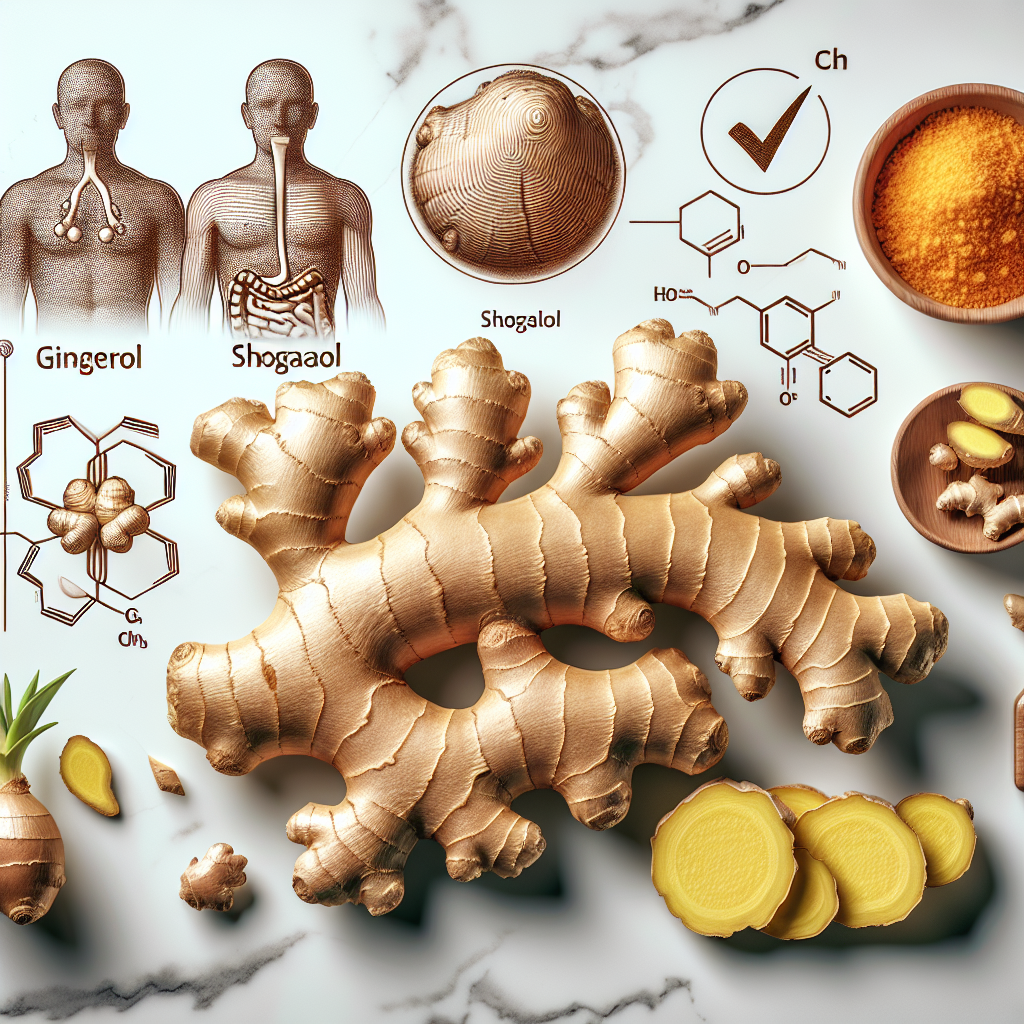
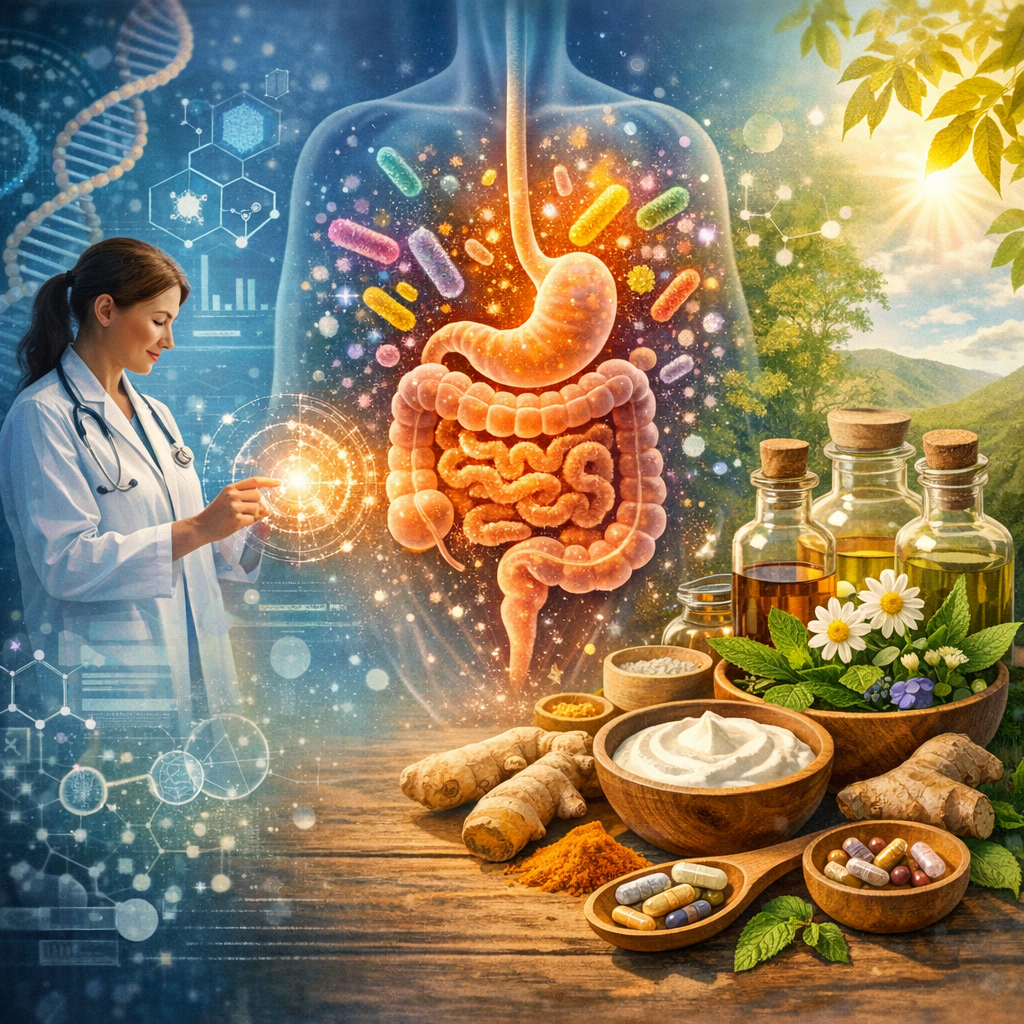
Expanding further on natural remedies, they present promising avenues for supporting gut health. Unlike conventional pharmaceuticals that often target specific symptoms, natural remedies, such as herbs like ginger, peppermint, and turmeric, provide holistic support. These herbs are recognized for their anti-inflammatory and soothing properties. Additionally, probiotics, naturally found in fermented foods like yogurt, kimchi, and sauerkraut, help replenish and balance beneficial gut bacteria.
Incorporating these natural elements into personalized gastroenterology involves striving for overall balance and wellness through evidence-based strategies. These methods complement conventional medicine, offering integrative solutions tailored to each individual’s unique gut profile. Considerations include genetic predispositions, existing health conditions, dietary habits, and lifestyle choices.
With groundbreaking research continually emerging, unraveling gut-protective pathways stands to revolutionize our approach to digestive health. Personalized gastroenterology, fueled by innovations in genomic science, microbiome mapping, and nutritional biochemistry, represents the future of a healthier, more informed society.
Features
As researchers delve deeper into the complexities of the gut microbiome, studies aiming to decode its functions and therapeutic potentials are rapidly expanding. One pivotal study, the Human Microbiome Project (HMP), has been instrumental in outlining the extensive array of microbial life in the human body. According to HMP, the variance in microbial composition significantly impacts both physical and mental health.
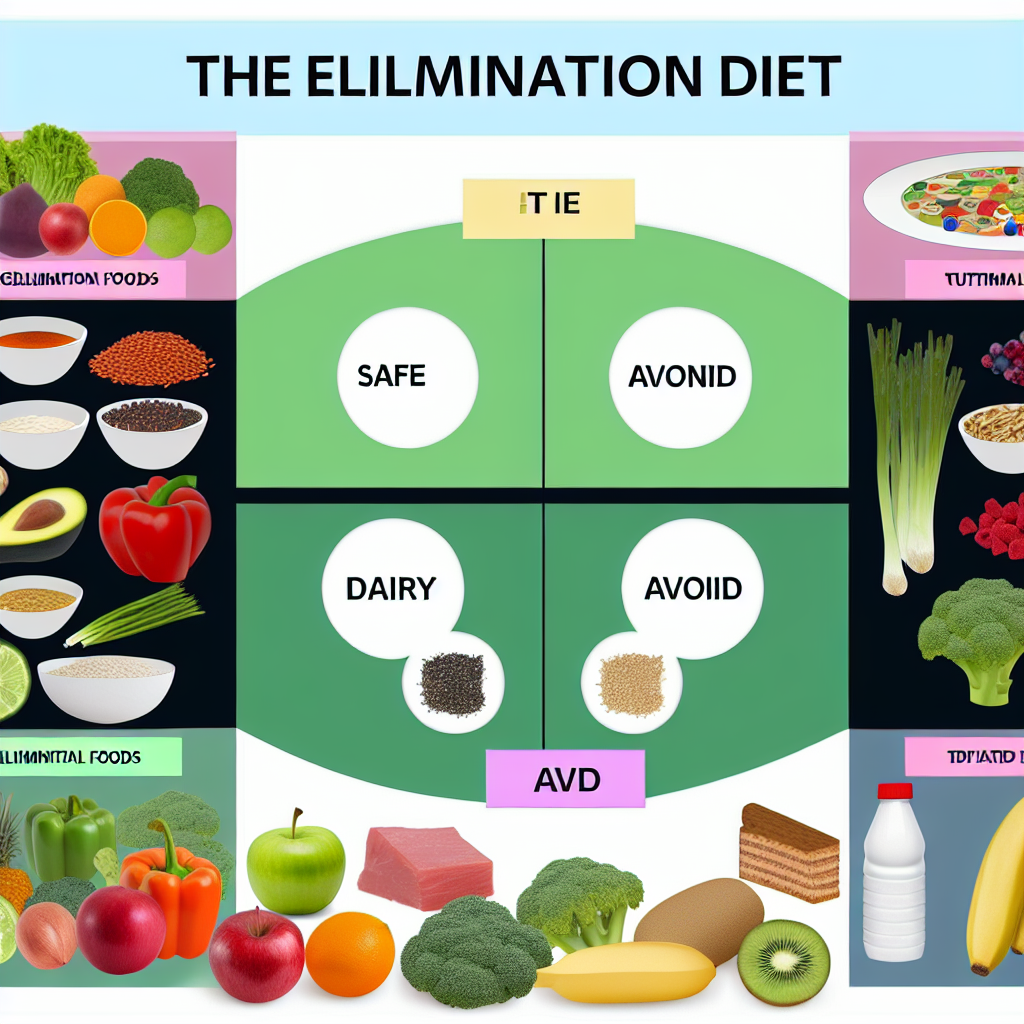
In 2021, a study published in Nature Medicine explored the role of diet in shaping an individual’s microbiome. Researchers found that specific plant-based foods exert beneficial effects, enhancing microbial diversity and reducing inflammation. These findings emphasize the profound impact dietary choices have on gut health, underscoring the benefits of including diverse fibers and phytonutrients in one’s diet.
Additional insights can be drawn from herbal treatments subjected to scientific scrutiny. A clinical trial published in *The Journal of Gastroenterology* in 2022 investigated the effects of peppermint oil on individuals with IBS, concluding that it significantly reduced abdominal pain and discomfort, demonstrating its potential as a natural therapeutic agent.
Probiotics continue to be a robust area of study, with evidence supporting their role in maintaining gut health. A study in Frontiers in Microbiology in 2020 reviewed the clinical applications of specific strains like Lactobacillus and Bifidobacterium, demonstrating their efficacy in preventing antibiotic-associated diarrhea and reducing IBS and IBD symptoms.
These studies underscore the potential of non-pharmacologic interventions in personalized gastroenterology, addressing both symptomatology and the root causes of gastrointestinal issues. They refine our understanding of how individual gut profiles can be optimized through scientifically backed natural interventions. Continuous research and clinical trials are essential as personalized gastroenterology transitions from theory to practice.
Conclusion
As science and holistic wellness converge in the realm of gut health, a revolutionized approach to digestive issues focusing on personalization and natural remedies is emerging. By integrating research-backed natural cures and herbal treatments, personalized gastroenterology offers the promise of addressing individual needs while fostering overall well-being. Embracing this future requires investment in continued research and a commitment to bridging traditional medical practices with innovative holistic approaches. Unraveling gut-protective pathways is not just a scientific challenge but a transformative pursuit, enhancing the health and lives of countless individuals.
References
Concise Summary
The importance of gut health is increasingly recognized, given its role in digestion, the immune system, and disease prevention. Personalized gastroenterology, blending scientific advancements with holistic practices, focuses on individual gut microbiomes. Studies underscore the benefits of natural remedies like herbs and probiotics in maintaining gut health. Incorporating these into personalized medicine offers holistic solutions, emphasizing balance and wellness. This approach complements traditional medicine and holds the potential to enhance lives, contingent on continued research and integration of innovative and traditional methods. The future of a more informed and healthier society lies in unraveling these gut-protective pathways.