Mastering the Art of Gut Microbiome Modulation: Revolutionary Techniques from the Edge of Functional Gastroenterology
Introduction
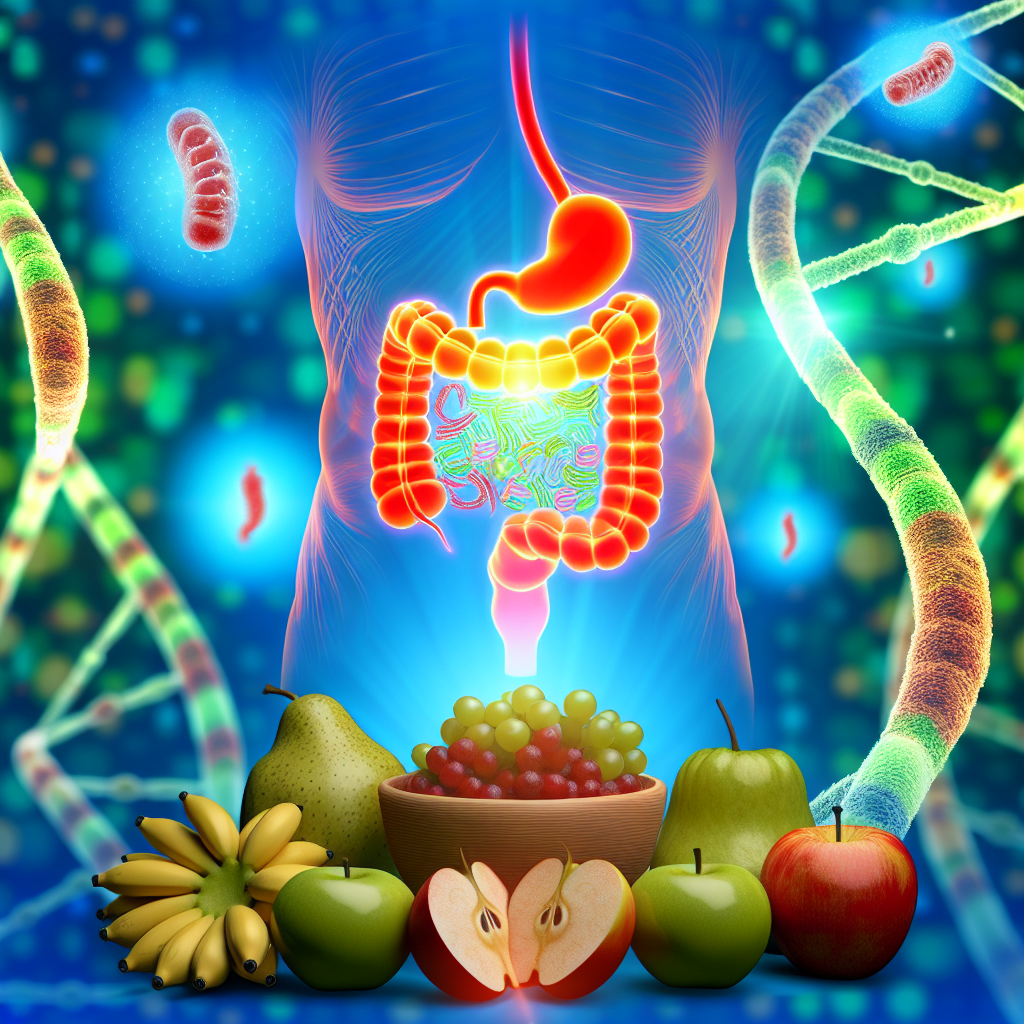
In the realm of functional gastroenterology, understanding and modulating the gut microbiome has become an essential frontier. The gut microbiome—comprising trillions of microorganisms such as bacteria, viruses, and fungi—not only aids in digestion but also plays a critical role in immune function, mental health, and overall well-being. As research progresses, the focus is increasingly turning towards natural and herbal treatments to enhance gut health and cultivate a balanced microbiome. Enter cutting-edge techniques that harness nature’s power to reshape our inner landscapes.
The importance of a healthy gut cannot be overstated. Modern lifestyles, with processed foods, high-stress levels, and frequent antibiotic use, have collectively taken a toll on gut flora diversity. This imbalance—known as dysbiosis—can lead to a variety of health issues, ranging from digestive disorders like irritable bowel syndrome (IBS) to metabolic and even neurological conditions. Thus, restoring this balance through natural means is not just an option; it’s becoming imperative.
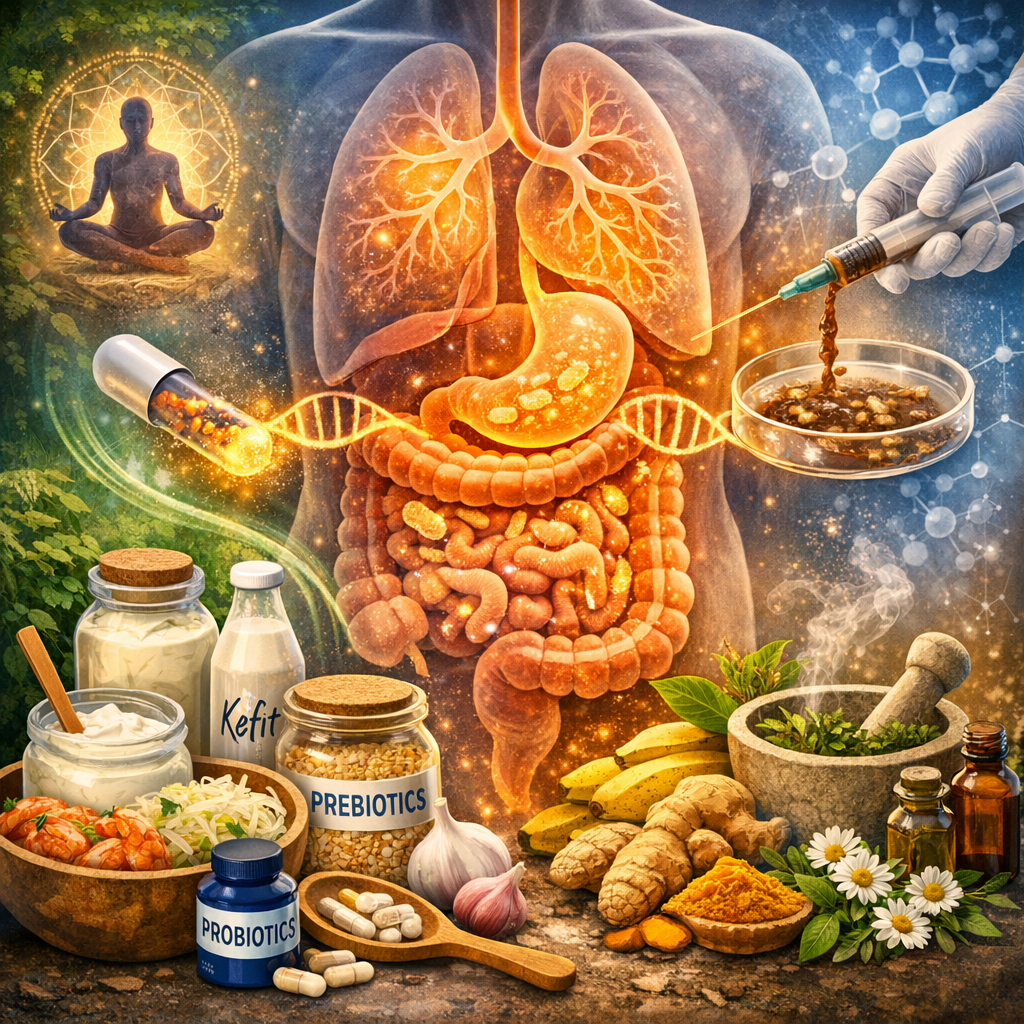
Herbal supplementation is gaining traction as a potent method to bolster gut health. Herbs such as ginger, turmeric, and peppermint have longstanding reputations in traditional medicine, with recent clinical investigations highlighting their anti-inflammatory and soothing properties. Prebiotics and probiotics continue to be pivotal; foods like chicory root, garlic, and fermented products provide fertile ground for beneficial bacteria.
Emerging techniques also emphasize dietary personalization. The burgeoning field of nutrigenomics explores how individual genetic differences influence dietary responses, paving the way for bespoke dietary plans that can optimize gut health at a personal level.
Moreover, the intersection of technology and traditional wisdom is creating new paradigms for gut health. Techniques such as biofeedback, meditation, and yoga are no longer seen as mere stress-relief practices but are recognized for their profound impacts on gut-brain interaction. By mastering the art of gut microbiome modulation, individuals can unlock new levels of health and vitality.
Features
The landscape of gut microbiome research is dynamic and expansive, with numerous studies underscoring the significance of natural interventions. A pioneering study published in the journal *Cell* highlights the role of nutrient-rich whole foods in promoting microbial diversity. The researchers emphasize that a diet high in fiber and polyphenols aids the proliferation of beneficial microbial species, which in turn supports metabolic health and diminishes inflammation.
Additionally, herbal medicine research has gained momentum. For instance, a study in the *World Journal of Gastroenterology* outlined the benefits of turmeric (Curcuma longa). Curcumin, the active component in turmeric, exhibits remarkable anti-inflammatory effects, proposed to improve symptoms in conditions like ulcerative colitis and IBS, while also supporting the integrity of the intestinal lining.
Another cornerstone of gut health research is the study of probiotics. Evidence from a study published in *Nature* helps to clarify their role: specific strains of bacteria, such as Lactobacillus and Bifidobacterium, have been observed to restore gut flora composition and mitigate symptoms of dysbiosis. Furthermore, prebiotic studies in the *American Journal of Clinical Nutrition* affirm that non-digestible fibers found in foods like garlic and leeks nourish these probiotics, effectively working in tandem to enhance gut health.
The advent of personalized nutrition is backed by findings from the *Journal of Nutrigenetics and Nutrigenomics*, which examines the interplay between individual genetic profiles and dietary interventions. Tailored dietary strategies, informed by genetic testing, promise significant benefits in maintaining a balanced microbiome.
Lastly, mind-body practices are being validated in scientific circles. Research from the *Journal of Behavioral Medicine* demonstrates that meditation and yoga reduce cortisol levels, leading to improved gut-brain axis interaction and bolstering overall gut health.
Conclusion
The quest to master gut microbiome modulation is an evolving journey—combining ancient wisdom with contemporary science. By embracing natural and herbal interventions, personalized nutrition, and mindfulness techniques, individuals can not only restore their gut health but also enhance their overall quality of life. As our understanding of the intricate web of gut microbiology broadens, the potential to transform our health using these natural techniques is immense, signaling a promising future for functional gastroenterology.
Concise Summary
Mastering gut microbiome modulation in functional gastroenterology integrates traditional herbal treatments, personalized nutrition, and modern mind-body practices like meditation and yoga. As gut health dictates immune function and mental well-being, addressing lifestyle factors such as diet and stress becomes imperative. Herbal remedies such as turmeric’s curcumin offer anti-inflammatory benefits, while probiotics like Lactobacillus aid in restoring gut flora balance. The field of nutrigenomics allows for dietary customizations based on genetic profiles. Combining ancient practices and emerging science heralds transformative potential in restoring health and vitality through balanced gut microbiota.