Unlocking the Gut’s Hidden Pathways: Innovative Biohacks for Chronic Digestive Health
Introduction
In the rapidly evolving world of health and wellness, the gut has emerged as a focal point for research and natural therapies. Often termed the “second brain,” the gut is not only central to digestion but also intimately linked with overall health, impacting everything from mood to immunity. As more is understood about the complex interactions within our microbiome, the disruption of which can lead to chronic digestive issues, the quest for innovative biohacks to support gut health has intensified.
Chronic digestive conditions such as Irritable Bowel Syndrome (IBS), Crohn’s disease, and other inflammatory bowel diseases have spurred interest in seeking natural, herbal, and holistic methods for relief. Traditional medical treatments often focus on managing symptoms rather than addressing root causes, leading individuals to explore alternative remedies that target gut health at its core. This growing interest has shone a spotlight on biohacking—a practice that involves innovative, self-directed approaches to optimize health outside conventional norms.
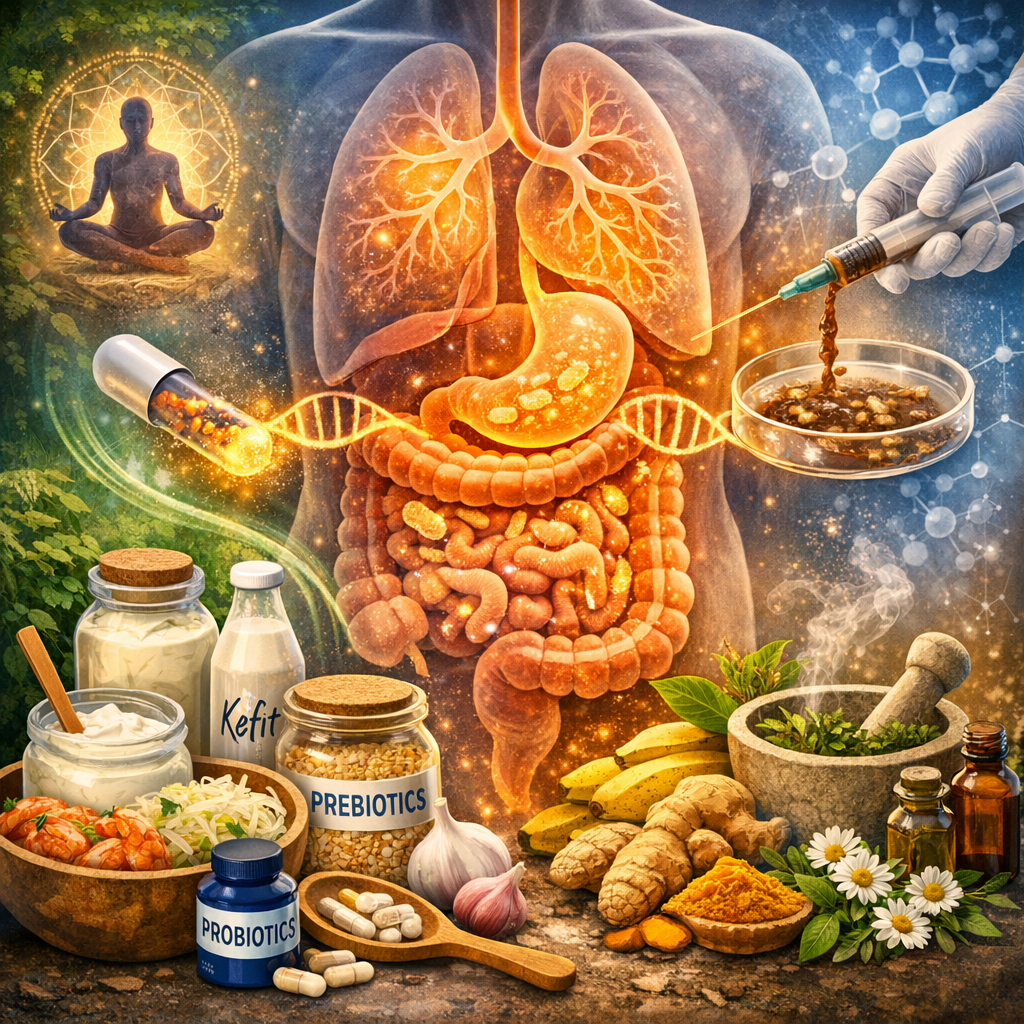
Biohacking the gut encompasses a range of strategies: from dietary adjustments to herbal supplements, each aiming to restore harmony to the gut’s complex ecosystem. The surge in research into probiotics, prebiotics, and dietary fibers, alongside age-old practices like fermented foods and herbal tinctures, underscores the breadth of options available for those suffering from chronic digestive ailments.
Innovative techniques such as fecal microbiota transplantation (FMT) and the use of personalized nutrition based on DNA assessments are pushing the boundaries of what’s possible in gut health. Moreover, there’s a rising interest in adaptogens—herbs like ashwagandha and rhodiola—that have been traditionally used to balance the body’s response to stress, which is a known trigger for gut-related issues.
This article aims to explore these cutting-edge methods, providing readers with evidence-backed insights into natural and herbal treatments for chronic digestive health. With a focus on supporting and enhancing the body’s innate healing processes, these biohacks offer a promising avenue for those seeking alternatives to conventional therapies.
Features
Recent scientific studies underscore the potential of natural and herbal treatments in managing chronic digestive health. One substantial area of research involves probiotics—live microorganisms that provide health benefits when consumed. A review published in the journal [Nutrients](https://www.mdpi.com/journal/nutrients) highlights the efficacy of certain probiotic strains in alleviating symptoms of IBS, including bloating and abdominal pain. The study emphasizes how restoring gut flora balance can reduce inflammation and improve intestinal barrier function, critical factors in chronic gut health issues.
Prebiotics, non-digestible fibers that nourish beneficial gut bacteria, have also shown promise. A study in the [American Journal of Clinical Nutrition](https://academic.oup.com/ajcn) found that prebiotic intake positively correlates with improved gut microbiota composition and function, suggesting they can play a critical role in gut health biohacking.
Herbal treatments have a longstanding history in gut health, and recent clinical trials contribute to this vast traditional knowledge. For instance, peppermint oil, well-known for its antispasmodic properties, has been demonstrated to alleviate IBS symptoms, according to a meta-analysis in the [Journal of Clinical Gastroenterology](https://journals.lww.com/jcge). The oil’s ability to relax intestinal muscles can significantly reduce pain and discomfort experienced by chronic sufferers.
Adaptogenic herbs are gaining traction for their capacity to mitigate stress-induced gastrointestinal issues. Adaptogens such as ashwagandha and rhodiola modulate stress responses, fostering a more resilient gut-brain axis. A 2020 study in [Phytomedicine](https://www.journals.elsevier.com/phytomedicine) revealed that ashwagandha could regulate cortisol levels, enhancing stress tolerance and potentially easing gut inflammation caused by chronic stress.
Emerging therapies like FMT have been groundbreaking in treating recurrent C. difficile infections, with promising implications for broader gut health applications. A [Gastroenterology](https://www.gastrojournal.org) study demonstrated FMT’s ability to remodel the gut microbiome, suggesting potential for broader application in chronic gut conditions.
These studies provide hope for those seeking more natural and holistic approaches to chronic digestive health, underscoring an evolving understanding of the gut as a dynamic and integral system.
Conclusion
In the journey to unlock the gut’s hidden pathways, it is clear that biohacking offers a powerful arsenal for those battling chronic digestive conditions. By integrating probiotics, prebiotics, herbal treatments, and innovative therapies like FMT, individuals can tap into the body’s own healing capabilities. As research continues to unravel the complexities of gut health, embracing a holistic perspective—one that’s informed by both ancient wisdom and modern science—offers a dynamic path forward. For those seeking to navigate the intricate world of gut health, these innovative biohacks provide tangible hope for holistic healing and improved well-being.
References
– [Nutrients Journal](https://www.mdpi.com/journal/nutrients)
– [American Journal of Clinical Nutrition](https://academic.oup.com/ajcn)
– [Journal of Clinical Gastroenterology](https://journals.lww.com/jcge)
– [Phytomedicine](https://www.journals.elsevier.com/phytomedicine)
– [Gastroenterology](https://www.gastrojournal.org)
Concise Summary: The article delves into innovative biohacks for addressing chronic digestive health issues through a blend of probiotics, prebiotics, herbal treatments, and emerging therapies like fecal microbiota transplantation (FMT). It emphasizes the gut’s crucial role as the “second brain” in health, detailing evidence-backed methods that integrate ancient wisdom with modern science. With rising interest in personalized nutrition and adaptogenic herbs, the article offers a holistic approach to improving gut health and overall well-being, offering alternatives to traditional symptom-focused treatments.