Is Your Gut’s Microbiome the Real Culprit Behind Your Autoimmune Flare-Ups? Discover the New Evidence.
Introduction
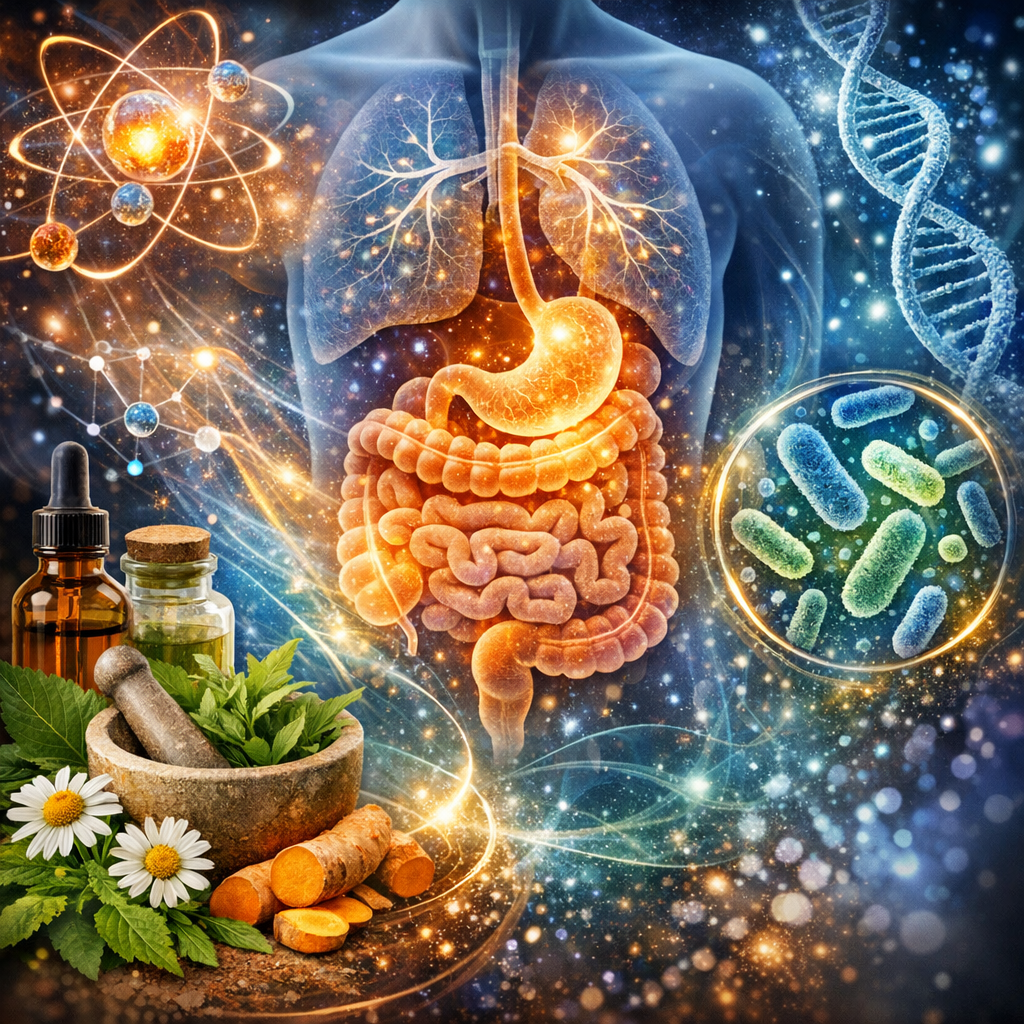
In recent years, the conversation around gut health has shifted from a niche health interest to a hot topic with far-reaching implications for overall well-being. Central to this discussion is the gut microbiome—the trillions of microorganisms living in your digestive tract. While the gut microbiome is known to play a crucial role in digestion and nutrient absorption, emerging research suggests it may also have a profound impact on autoimmune diseases. These conditions arise when the immune system mistakenly attacks healthy cells, and it is estimated that over 50 million Americans are affected.
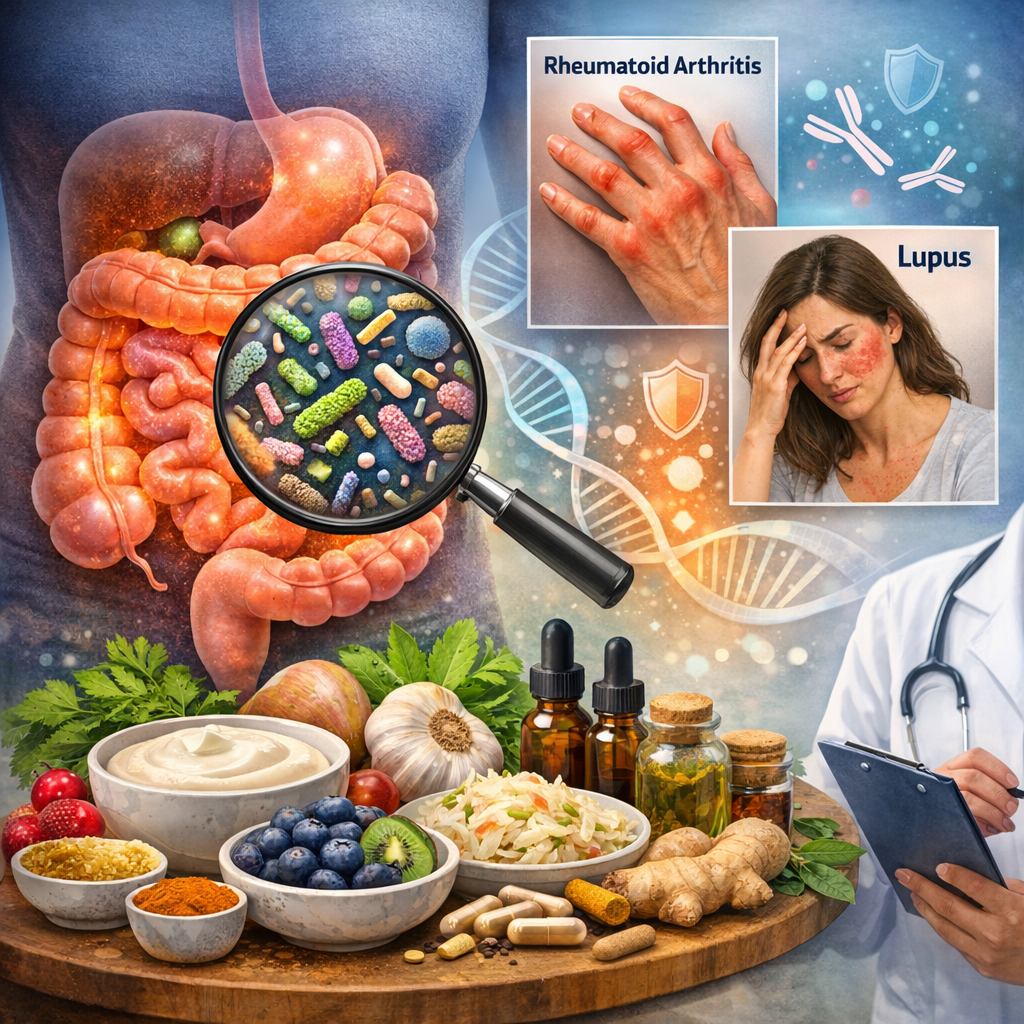
Interestingly, while autoimmune diseases like rheumatoid arthritis, lupus, and inflammatory bowel disease can be genetically predisposed, not all individuals with genetic markers develop the condition. This indicates that environmental factors, including gut health, could play a significant role in triggering or mitigating these diseases. Researchers have begun to explore whether imbalances in gut bacteria—a state known as dysbiosis—could be a contributing factor.
Modern lifestyle choices, such as processed foods, stress, lack of exercise, and antibiotic overuse, have been implicated in disturbing gut microbiota. These disruptions can prompt inflammation, which is a common precursor to autoimmune flare-ups. The gut microbiome is intricately linked to immune function; it educates and modulates immune cells, ensuring they can distinguish between harmful invaders and the body’s own tissues. When this balance is disrupted, the immune system can become hyperactive or dysregulated, leading to autoimmune responses.
The question that many are now asking is whether targeting the gut can be a viable strategy for managing autoimmune diseases. Strengthening and diversifying the gut microbiome through dietary changes, probiotics, and prebiotic-rich foods may offer a natural avenue for those looking to manage their symptoms. As research continues to evolve, the evidence increasingly supports the idea that the state of the gut microbiome may be a critical factor in both autoimmunity and its flare-ups.
Features
Recent studies delve into the relationship between the gut microbiome and autoimmune diseases, offering hope through natural treatments. One landmark study published in the journal Nature highlights that individuals with autoimmune diseases often have less diverse gut bacteria compared to healthy individuals. Less diversity in gut flora can lead to weakened gut barriers, making the intestines more permeable. This permeability allows undigested food particles and toxins to enter the bloodstream, stimulating an immune response often associated with autoimmune flare-ups.
Moreover, a study in Frontiers in Immunology explored how specific bacterial strains, such as Lactobacillus and Bifidobacterium, have been found to exert anti-inflammatory effects. These strains produce short-chain fatty acids (SCFAs), compounds that help maintain gut integrity and modulate immune responses. Increased levels of SCFAs have been correlated with reduced inflammation and improved symptoms in multiple autoimmune disorders.
Another compelling research avenue involves the use of fecal microbiota transplantation (FMT). This procedure, which restores gut flora by transferring stool from a healthy donor to the patient’s digestive tract, has shown promise in altering the gut environment. A trial published in the Journal of Clinical Gastroenterology observed autoimmune patients who underwent FMT and reported reduced autoimmune flare-ups, offering a new perspective on gut-driven treatment strategies.
Herbal treatments are also gaining attention. Herbs such as turmeric, ginger, and licorice root possess anti-inflammatory properties that can assist in soothing the gut lining and supporting microbial diversity. For example, curcumin, the active compound in turmeric, has shown potential to regulate gut inflammation and alter gut microbiota positively.
While these findings illuminate the potential roles of gut health in managing autoimmunity, they also shed light on the need for more personalized approaches. Supplements and herbal treatments should be considered as part of a broader strategy, ideally under the guidance of healthcare professionals specializing in immunology or gastroenterology.
Conclusion
In conclusion, cutting-edge research underscores the profound connection between gut health and autoimmune diseases. By targeting the gut microbiome through natural means—whether dietary adjustments, probiotics, or herbal treatments—individuals may find new avenues to manage and potentially mitigate their autoimmune symptoms. It’s crucial, however, to approach these treatments with personalized care, taking into account one’s unique biological makeup and consult with healthcare providers. As scientific understanding advances, the gut microbiome may offer a key to unravelling the complex puzzle of autoimmune disease management, making it an exciting frontier in both medical and holistic health approaches.
Concise Summary
Emerging research highlights a crucial link between gut health and autoimmune diseases, suggesting that an imbalanced gut microbiome may trigger autoimmune flare-ups. Studies indicate that targeting gut bacteria through dietary changes, probiotics, and herbal treatments could offer natural relief for symptoms. Reduced gut flora diversity may lead to increased intestinal permeability, exacerbating autoimmune responses. Promising interventions include specific bacterial strains like Lactobacillus and Bifidobacterium, and fecal microbiota transplantation. While these strategies offer hope, personalized approaches and professional guidance remain essential in managing autoimmunity through gut health.

Dominic E. is a passionate filmmaker navigating the exciting intersection of art and science. By day, he delves into the complexities of the human body as a full-time medical writer, meticulously translating intricate medical concepts into accessible and engaging narratives. By night, he explores the boundless realm of cinematic storytelling, crafting narratives that evoke emotion and challenge perspectives.
Film Student and Full-time Medical Writer for ContentVendor.com