The Unseen Role of Gut Surface Area in Nutrient Absorption: A Clinical Perspective on Digestive Success
Introduction
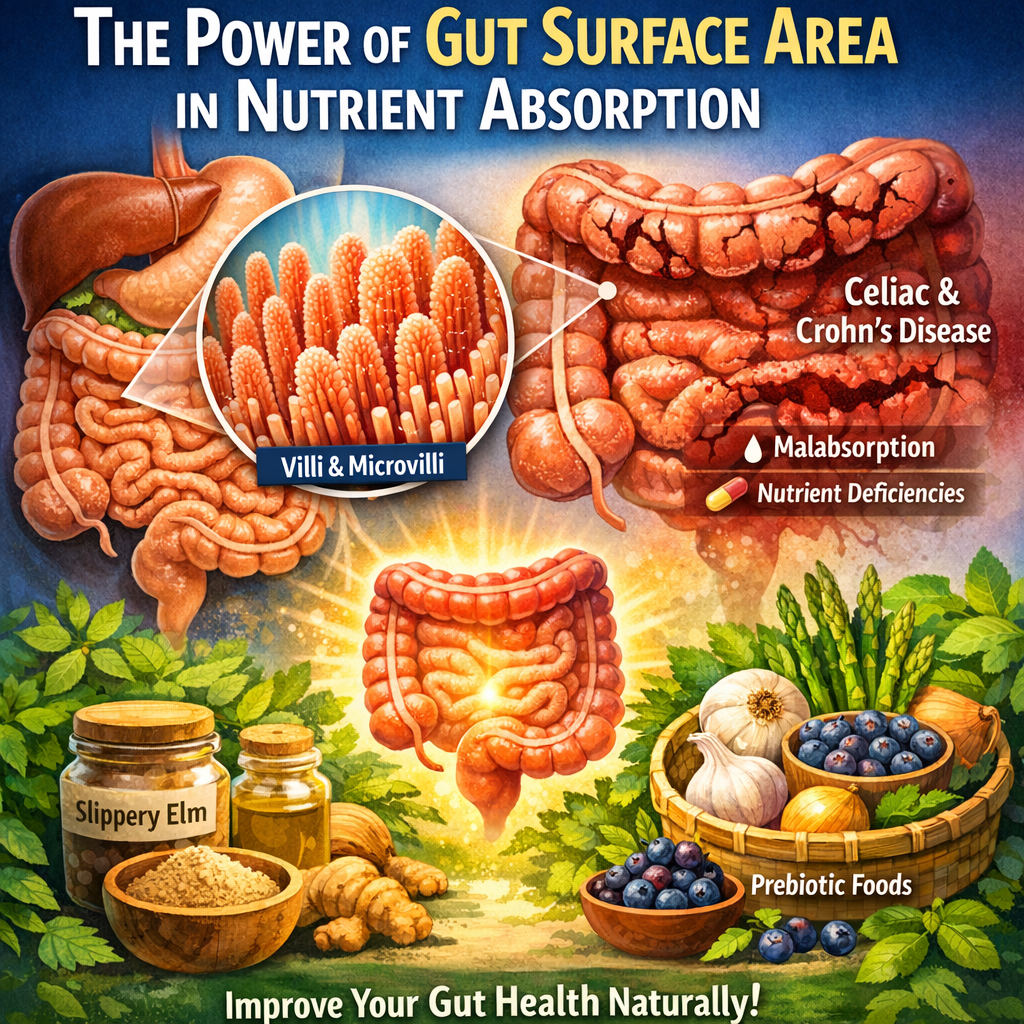
The human gut is an intricate system responsible for digesting food, absorbing nutrients, and supporting immune function. While much attention is given to the microbiome, the structural characteristics of the gut, particularly its surface area, play an equally critical role in nutrient absorption. The small intestine, a key area in digestion, boasts a staggering surface area of roughly 250 square meters, akin to the size of a tennis court. This expansive surface is achieved through the presence of villi and microvilli, tiny hair-like projections that exponentially increase the absorptive capacity of the gut lining.
Nutrient absorption occurs primarily in the small intestine, where macronutrients and micronutrients from digested food pass through the lining and into the bloodstream. The efficiency of this process largely depends on the surface area available for absorption. When the gut surface area is compromised due to medical conditions such as celiac disease, Crohn’s disease, or surgical removal, nutrient absorption can be significantly impaired, leading to various deficiencies and malnutrition. Understanding the pivotal role of gut surface area offers valuable insights for optimizing gut health and improving digestive success.
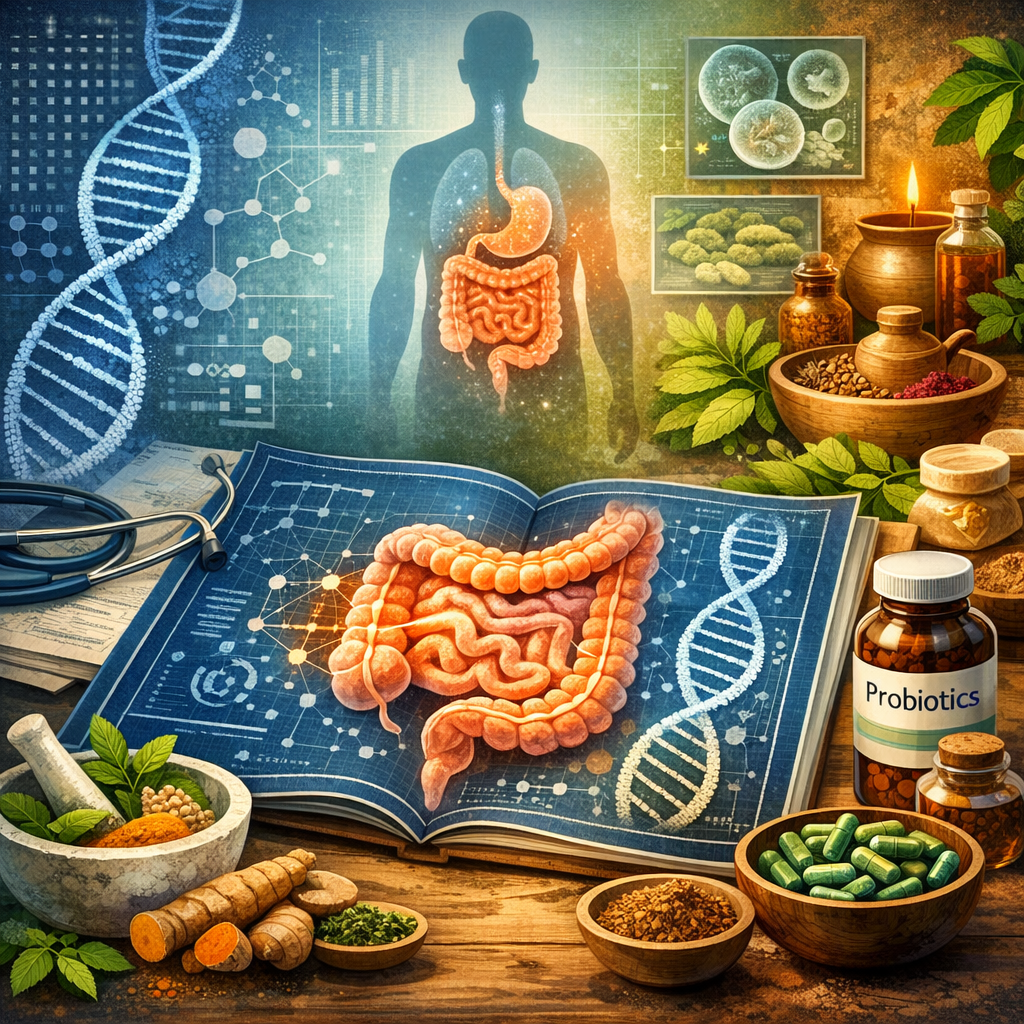
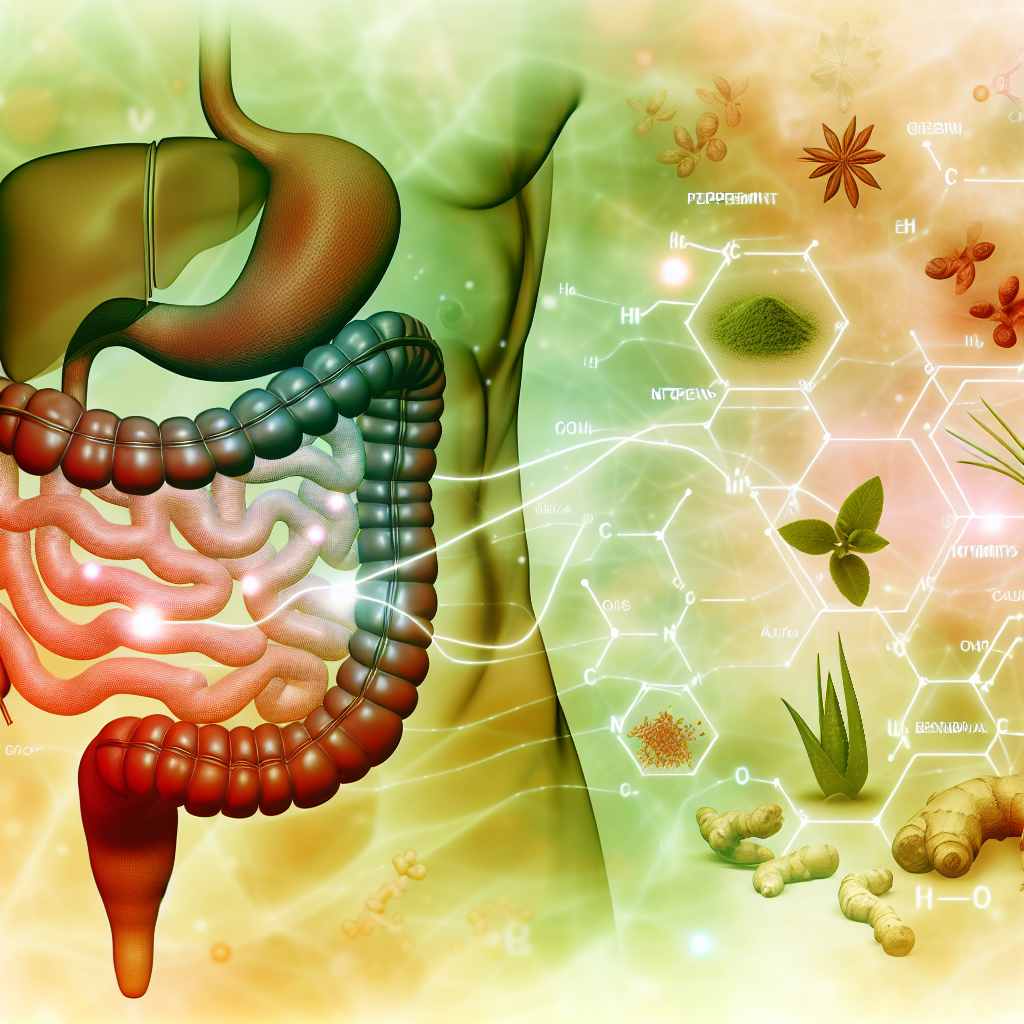
Interestingly, natural and herbal treatments offer potential benefits for preserving and enhancing the gut’s surface area and integrity. Herbal remedies like slippery elm, marshmallow root, and licorice root provide mucilage, which can soothe the intestinal lining and support gut health. Additionally, consuming a diet rich in prebiotics and probiotics can balance the gut microbiota and indirectly support the structural aspects of the gut lining. As individuals increasingly seek natural solutions to enhance gut health, exploring the impact of lifestyle and dietary interventions on gut surface area offers a promising avenue for research and practical application. This article delves into the clinical implications of gut surface area on nutrient absorption, highlights relevant studies, and explores natural remedies that may foster optimal digestive health.
Features
Recent studies have shed light on various medical conditions affecting gut surface area and their impact on nutrient absorption. One study published in the *Journal of Gastroenterology* examined celiac disease, where an autoimmune response to gluten leads to villous atrophy and reduced surface area in the small intestine. Researchers found that restoring villous height through strict adherence to a gluten-free diet significantly improved nutrient absorption and overall gut health. This finding underscores the importance of maintaining an optimal gut surface area for efficient digestive function.
Additionally, research on Crohn’s disease has highlighted the challenges of maintaining gut surface area due to inflammation and intestinal resection. A study from the *World Journal of Gastroenterology* discussed surgical interventions’ impact on gut length and surface area. Post-surgery patients often faced nutrient malabsorption issues, emphasizing the need for nutritional strategies and therapies to compensate for reduced surface area and support nutrient uptake.
Natural and herbal therapies have garnered attention for their potential role in supporting gut surface area and improving nutrient absorption. A clinical trial published in *Phytotherapy Research* examined the effects of slippery elm on gut health, noting its protective mucilage could coat and soothe the intestinal lining, indirectly supporting the structural integrity of the gut. Findings suggest that regular supplementation with slippery elm results in improved symptoms of irritable bowel syndrome (IBS) and general gut discomfort.
Similarly, prebiotic-rich foods like chicory root and leeks foster a favorable environment for probiotics, supporting gut flora and potentially enhancing gut surface area indirectly. Ensuring a thriving microbiome may help maintain the gut lining’s health and integrity, as an intact microbiome can prevent harmful bacteria from compromising the gut barrier.
In summary, maintaining a robust gut surface area is vital for nutrient absorption and overall digestive health. Ongoing research continues to elucidate the mechanisms by which various conditions impact gut surface area and nutrient uptake, offering insights into potential dietary and herbal interventions that can mitigate these effects.
Conclusion
The gut surface area is a fundamental aspect of digestion, enhancing nutrient absorption and overall gut health. By understanding the complexity and significance of this structural feature, we can better appreciate the body’s ability to nourish itself efficiently. Conditions that impair surface area pose challenges that can often be addressed through dietary changes and herbal interventions. Embracing natural solutions, like specific herbs and prebiotic-rich foods, not only preserves gut integrity but also supports enhanced nutrient absorption. Future research and clinical practice should continue exploring these methods, heralding a new era of natural, holistic approaches to digestive success.
Concise Summary
The gut’s surface area, particularly in the small intestine, is crucial for nutrient absorption and overall digestive health. Conditions like celiac disease and Crohn’s disease can reduce this surface area, leading to malabsorption issues. Natural remedies, including herbal solutions like slippery elm and prebiotic-rich diets, show promise in maintaining gut integrity and enhancing nutrient uptake. Ongoing research underscores the importance of exploring dietary and lifestyle interventions to support the gut’s structural health for better absorption and general wellness.

Dominic E. is a passionate filmmaker navigating the exciting intersection of art and science. By day, he delves into the complexities of the human body as a full-time medical writer, meticulously translating intricate medical concepts into accessible and engaging narratives. By night, he explores the boundless realm of cinematic storytelling, crafting narratives that evoke emotion and challenge perspectives.
Film Student and Full-time Medical Writer for ContentVendor.com