The Hidden Role of the Gut-Liver Axis in Chronic Digestive Disorders: Unlocking New Pathways to Healing
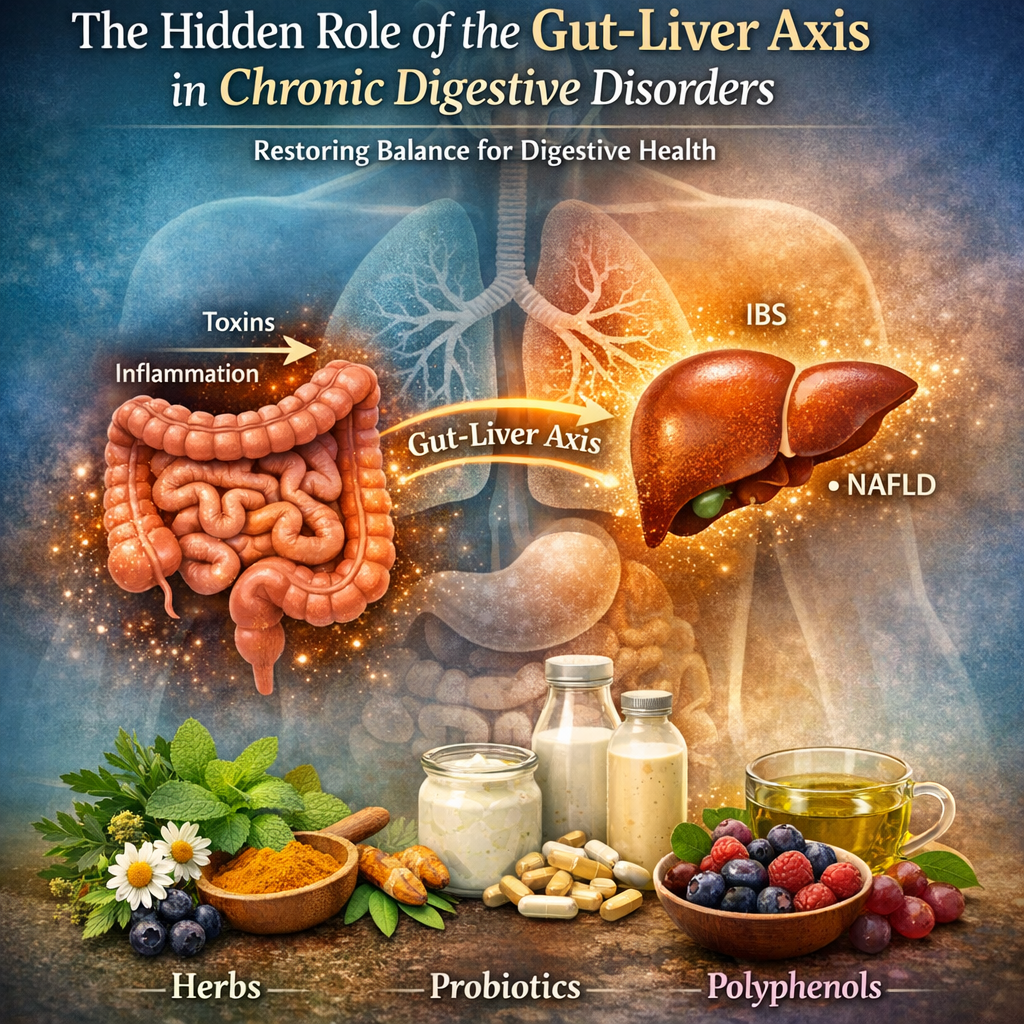
The world of gastrointestinal health is one of complexity and intrigue, with the gut at the heart of an intricate web of interactions that extend far beyond digestion. Increasingly, research is unveiling the significant influence of the gut-liver axis—a dynamic bi-directional communication network between the gut and the liver that plays a pivotal role in maintaining overall health. Understanding this connection is crucial for individuals grappling with chronic digestive disorders.
The gut, referred to as the “second brain,” is not only responsible for nutrient absorption but also serves as a formidable barrier, protecting the body from harmful pathogens while facilitating the growth of beneficial bacteria. The liver is responsible for detoxification, processing nutrients, and filtering out toxins. Together, these two organs form the gut-liver axis, supporting each other in maintaining metabolic homeostasis and immune regulation.
In cases of chronic digestive disorders such as irritable bowel syndrome (IBS), non-alcoholic fatty liver disease (NAFLD), and inflammatory bowel disease (IBD), the harmonious interaction between the gut and liver can be compromised. Emerging studies suggest that an imbalance in gut microbiota—known as dysbiosis—can lead to increased intestinal permeability, often described as “leaky gut.” This condition allows endotoxins to escape into the bloodstream, triggering an inflammatory response that affects liver function.
The liver produces bile acids that aid in fat digestion and regulate gut microbiota composition. Disruptions in bile acid secretion further exacerbate microbial imbalances, fueling a vicious cycle of inflammation. This link highlights the gut-liver axis’s crucial role in the onset and progression of chronic digestive disorders, paving the way for innovative natural and herbal treatment approaches that target both gut health and liver function.
Additionally, there is a growing interest in the role of dietary interventions in supporting the gut-liver axis. Diets rich in fiber, probiotics, and prebiotics can help restore a healthy balance of gut microbiota, ultimately benefiting liver health. Regularly incorporating these dietary elements, such as fruits, vegetables, and fermented foods, may enhance the effectiveness of existing treatment strategies.
In pursuit of holistic wellness, individuals are increasingly turning to natural remedies that support a balanced gut microbiota and optimal liver function. Herbs such as turmeric, milk thistle, and licorice root have been shown to exhibit anti-inflammatory and hepatoprotective properties, offering potential therapeutic avenues for patients seeking relief from chronic digestive ailments.
Professional Studies on the Gut-Liver Axis and Digestive Disorders
A growing body of scientific literature underscores the importance of the gut-liver axis in chronic digestive disorders. A study published in the journal [*Nature Reviews Gastroenterology & Hepatology*](https://www.nature.com/articles/nrgastro.2014.169) explores how microbial dysbiosis is closely linked to the progression of liver diseases, including NAFLD. The researchers emphasize the significance of targeting gut microbiota to prevent liver inflammation and fibrosis, a major concern in chronic liver conditions.
Another study published in the [*World Journal of Gastroenterology*](https://www.wjgnet.com/1007-9327/full/v19/i6/687.htm) highlights the therapeutic potential of probiotics in restoring gut microbial balance and enhancing liver function. The researchers found evidence supporting the use of specific probiotic strains to improve symptoms in patients with IBS, suggesting that modulating the gut-liver axis could offer significant benefits in managing this condition.
Furthermore, polyphenols found in herbs and plants have been recognized for their positive impact on gut microbiota composition and liver health. According to research published in the [*Journal of Clinical Gastroenterology*](https://journals.lww.com/jcge/Abstract/2016/01000/Green_Tea_Polyphenols_Alleviate_Experimental.13.aspx), polyphenols from green tea and curcumin exhibit antioxidant and anti-inflammatory effects, offering promising outcomes for individuals with IBD and related digestive disorders.
An exploratory review by the [*Journal of Nutritional Biochemistry*](https://www.jnutbio.com/article/S0955-2863(13)00206-8/abstract) discusses how herbs like milk thistle contain silymarin, a flavonoid complex with potent liver-protective properties. Silymarin has been reported to stabilize cellular membranes, reduce liver inflammation, and promote tissue regeneration, suggesting its potential as a natural therapy for liver-related digestive disorders.
These studies collectively highlight the intricate interplay between the gut and liver, emphasizing the necessity of a dual-targeted approach that addresses this axis. By leveraging herbal treatments that support both gut microbiota and liver health, individuals can explore new pathways for managing their chronic digestive disorders.
Conclusion
The gut-liver axis plays a crucial role in the pathophysiology of chronic digestive disorders, offering a compelling target for natural healing strategies. By embracing holistic approaches that incorporate herbal remedies and lifestyle modifications, individuals can potentially alleviate symptoms and enhance their overall well-being. Building a foundation of knowledge about the gut-liver relationship and seeking interventions that benefit both organs may unlock new pathways to healing for those affected by persistent gastrointestinal issues. As research continues to unfold, the promise of natural treatments holds the potential to transform how we approach gut and liver health, paving the way for a healthier future.
References
1. Miele, L., Marrone, G., & Le Roy, T. (2014). Gut-liver axis, intestinal microbiome, and metabolic disorders. *Nature Reviews Gastroenterology & Hepatology*. [Read more](https://www.nature.com/articles/nrgastro.2014.169).
2. Azzam, M., & Mattar, S. (2013). The impact of gut microbiota on the development of non-alcoholic fatty liver disease. *World Journal of Gastroenterology*. [Read more](https://www.wjgnet.com/1007-9327/full/v19/i6/687.htm).
3. Zhang, C., & Zhang, H. (2016). Green tea polyphenols alleviate experimental colitis through the restoration of the gut microbiota. *Journal of Clinical Gastroenterology*. [Read more](https://journals.lww.com/jcge/Abstract/2016/01000/Green_Tea_Polyphenols_Alleviate_Experimental.13.aspx).
4. Vargas-Mendoza, N., Madrigal-Santillán, E., Morales-González, Á., & Esquivel-Soto, J. (2014). Hepatoprotective effect of silymarin. *Journal of Nutritional Biochemistry*. [Read more](https://www.jnutbio.com/article/S0955-2863(13)00206-8/abstract).
Concise Summary
The gut-liver axis is a crucial communication network between the gut and liver, influencing overall health and chronic digestive disorders like IBS, NAFLD, and IBD. Research shows that imbalances in gut microbiota, known as dysbiosis, can impact liver function through increased intestinal permeability. Innovative natural treatment approaches focus on herbal remedies such as turmeric, milk thistle, and licorice root, which offer anti-inflammatory and hepatoprotective properties. Scientific studies emphasize the potential of probiotics and polyphenols to modulate the gut-liver axis, presenting new therapeutic pathways for managing chronic digestive ailments.