Gut ‘Blueprints’: The Next-Gen Protocols Revolutionizing Chronic Digestive Treatment
Introduction
In the intricate world of human health, the gut stands as a vital guardian—an ecosystem of bacteria and cells that governs not just digestion, but overall wellness. In recent years, an extraordinary field of research has emerged, suggesting that personalized gut health protocols, or “Blueprints,” could lead to improved treatment of chronic digestive disorders. The realization that individual variances in gut microbiota—the trillions of microorganisms residing in the intestines—significantly impact digestion and disease has been a game changer. As more people seek natural solutions over conventional medical treatments with possible side effects, interest in herbal remedies and personalized medicine has surged.
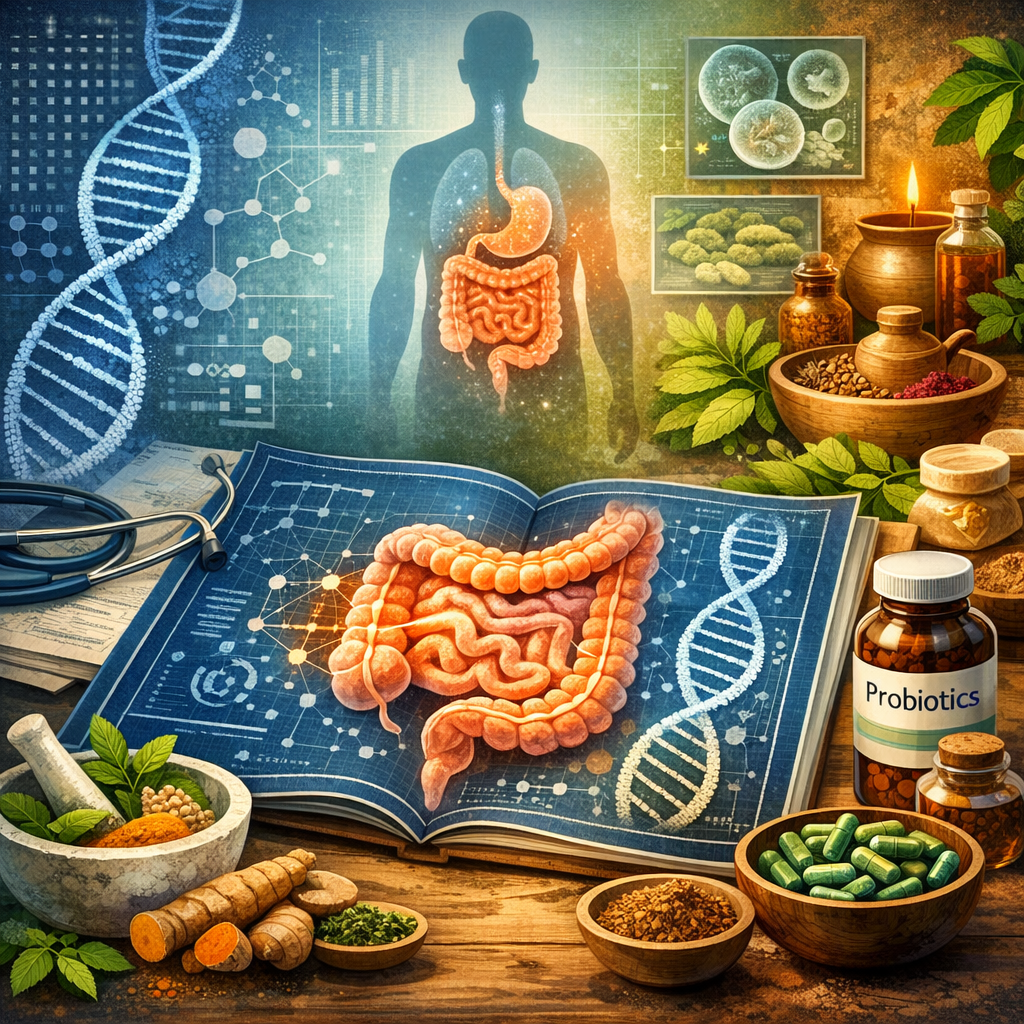
The importance of gut health cannot be overstated. It plays a critical role in nutrient absorption, immune system function, and even mental health, due to the gut-brain axis—a complex connection between gut physiology and brain function. Disorders like irritable bowel syndrome (IBS), Crohn’s disease, and chronic constipation affect millions, often leading to frustration with standard treatment options. Consequently, patients and researchers alike hope to leverage advancements in genetic testing, microbiota profiling, and herbal medicine to construct individual ‘Gut Blueprints’. These are tailor-made treatment protocols designed to optimize gut flora and holistic health.
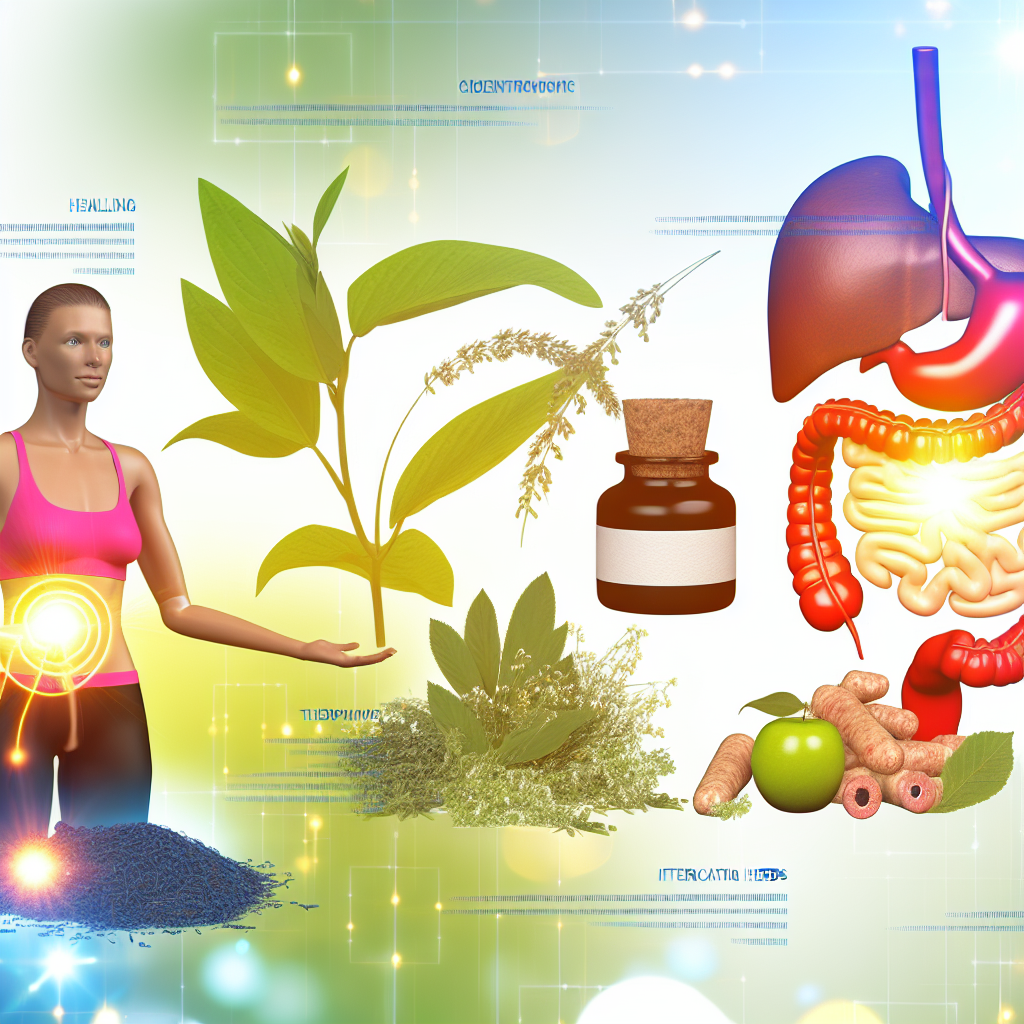
Leading this revolution are integrative medicine practitioners, who combine cutting-edge science with traditional healing practices. One burgeoning concept involves using specific herbal remedies tailored to one’s gut microbiome composition—which itself can now be mapped with unprecedented precision. Herbs like slippery elm and marshmallow root, traditionally used for their soothing effects on the digestive tract, are gaining attention anew through the lens of modern science. Traditional Chinese Medicine (TCM) and Ayurveda also offer a treasure trove of plants believed to harmonize gut function and support microbial balance. While much is still unfolding, the prospect of using individualized natural remedies as part of an advanced treatment strategy for chronic digestive issues signals a new dawn in gut health management.
Features
Scientific research underpins the notion that our guts are as unique as fingerprints. A study published in “Nature” indicated that the specific composition of gut bacteria can influence the effectiveness of certain treatments, including herbal ones. For example, researchers discovered that individuals with a higher presence of specific bacterial strains had better responses to certain herbal therapies. Leveraging the insights from such cutting-edge research, personalized treatment plans take into account variables like diet, lifestyle, and genetic predispositions impacting gut microbiota.
One prominent area of study is the role of prebiotics and probiotics in gut health. These supplements can encourage the growth of beneficial bacteria, but their efficacy can vary between individuals, depending on one’s existing gut composition. For instance, a 2020 study in “Cell” highlighted that while prebiotics and probiotics improved gut health in some participants, they were less effective in others, emphasizing the need for personalized approaches.
Herbal treatments are also under the microscope. Curcumin, derived from turmeric, has shown promise in reducing inflammation and symptoms of IBS, according to a study published in the “Journal of Clinical Medicine“. However, its bioavailability and success largely depended on an individual’s gut microbiota makeup. Such findings make it clear why effort is being put into creating personalized herbal remedies. The goal is for individuals to consult with healthcare professionals who can incorporate scientific understanding of microbial interactions and herb efficacy into a cohesive treatment plan.
Additionally, the field of nutrigenomics—the study of the relationship between nutrients, diet, and gene expression—may offer more insights into personalized gut health. This innovative discipline helps to outline which foods and supplements can be optimized for an individual’s genetic makeup, further enhancing gut vitality and the success of herbal treatments.
Conclusion
In the evolving narrative of healthcare, the ‘Gut Blueprints’ approach showcases the power of personalized medicine, combining modern technology and traditional herbal wisdom. This paradigm shift could drastically change how chronic digestive disorders are viewed and treated. By customizing treatment protocols, including dietary and herbal options, to the unique bacterial and genetic composition of an individual’s gut, we stand on the brink of a healthier future. Embracing such personalized approaches promises not just symptom management, but a path to long-term wellness and vitality.
References
– “The human microbiome: at the interface of health and disease,” Nature
– “Prebiotics and Probiotics in Digestive Health,” Cell
– “The Effects of Curcumin on the Gut Microbiota in Patients with Irritable Bowel Syndrome,” Journal of Clinical Medicine
Concise Summary:
The ‘Gut Blueprints’ approach utilizes personalized gut health protocols to tackle chronic digestive disorders. By integrating genetic testing, microbiota profiling, and traditional herbal remedies, these individualized strategies offer innovative solutions. Focusing on gut health impacts nutrient absorption, immune function, and mental health. Emerging research underscores the importance of a personalized protocol to effectively manage conditions like IBS and Crohn’s disease. Integrating nutrigenomics and specific herbal remedies highlights a future where treatment aligns with one’s unique gut microbiome and genetic profile, opening a path to holistic health and vitality.