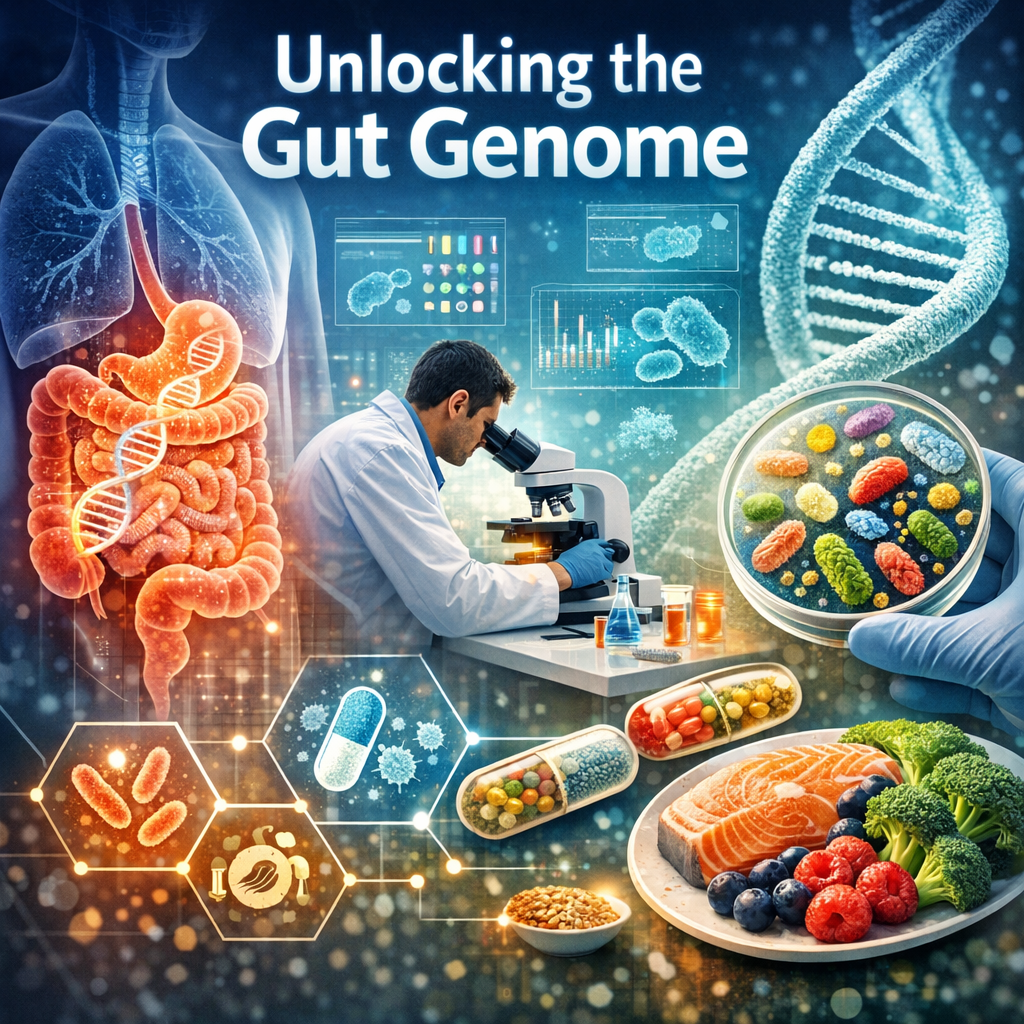
Unlocking the Gut Genome: How Cutting-Edge DNA Sequencing is Revolutionizing Digestive Health Protocols
Introduction
The human gut is an intricate ecosystem, housing trillions of microorganisms that play pivotal roles in overall health. The microbiome, often referred to as our “second brain,” influences everything from digestion and nutrient absorption to mental health and immune function. Despite its complexity and significance, the gut microbiome has only recently emerged as a focal point of medical research. With the advent of DNA sequencing technologies, we are now on the cusp of a revolution in understanding and manipulating this vital organ-like system.
Over the past decade, advancements in DNA sequencing have provided unparalleled insights into the genetic composition of gut microbiota. These cutting-edge technologies have enabled scientists and medical professionals to map the intricate networks of microbial species in our guts, unveiling their specific functions and interactions. Understanding the gut genome is transforming our approach to digestive health, unlocking new natural cures and herbal treatments tailored to individual microbiomes.
Traditionally, digestive health protocols have relied on broad-spectrum interventions, such as probiotics and dietary changes. While these methods have offered benefits, they often lack the precision needed to address the unique microbial compositions of individual patients effectively. DNA sequencing, however, allows for personalized treatment plans that recognize the uniqueness of each person’s gut ecosystem.
For instance, by analyzing the presence of specific bacterial strains, medical professionals can recommend targeted probiotics, prebiotics, or herbal supplements that foster a balanced microbial environment. This tailored approach is particularly relevant in conditions like irritable bowel syndrome (IBS), Crohn’s disease, and ulcerative colitis, where the precise manipulation of the microbiome can significantly alleviate symptoms. As this technology continues to evolve, it promises a future where gut health interventions are not just reactive but entirely custom and preventive.
Features
Recent studies underscore the transformative potential of DNA sequencing in redefining digestive health. A pivotal research initiative, the [Human Microbiome Project (HMP)](https://commonfund.nih.gov/hmp), has cataloged over a thousand bacterial strains, highlighting the staggering diversity of the gut environment. The project has paved the way for a deeper understanding of how these microorganisms interact with human genes and influence health outcomes.
Another significant study published in the journal “[Nature](https://www.nature.com/articles/s41591-020-1122-x)” demonstrated that individuals possess unique microbial “fingerprints,” indicating the necessity of personalized treatment approaches. This research has profoundly influenced the direction of digestive health protocols, emphasizing the need for precision medicine in treating gastrointestinal disorders.
Furthermore, a study by [Stanford University](https://med.stanford.edu/news/all-news/2020/02/using-metagenomics-scientists-attribute-diseases-to-gut-microbes.html) employed metagenomic sequencing, a technique that allows the study of genetic material recovered directly from environmental samples, to identify gut microbial imbalances linked to inflammatory bowel diseases (IBD). This groundbreaking work has shown the potential of DNA sequencing to uncover specific microbial profiles associated with IBD, facilitating the development of targeted therapies. Additionally, research into the interactions between dietary compounds and gut microbiota has revealed pivotal insights. A study published in “[Cell](https://www.cell.com/cell/fulltext/S0092-8674(21)00568-1)” examined how specific plant-based compounds, known as polyphenols, interact with the microbiome, promoting beneficial bacteria and improving gut health. These findings suggest that future interventions could include tailored dietary plans augmented with herbal supplements designed to support an individual’s unique microbiome.
The application of DNA sequencing extends beyond treatment to prevention, offering the potential to forecast susceptibility to specific digestive conditions. By understanding the genetic and microbial factors contributing to gut health, individuals may soon receive personalized guidelines that include dietary adjustments, lifestyle changes, and herbal treatments to prevent the onset of diseases and maintain optimal well-being.
Conclusion
As we continue to decrypt the gut genome, the implications for digestive health are profound. DNA sequencing is not just revolutionizing our understanding of the microbiome but also paving the way for personalized health strategies that harness natural cures and herbal treatments with unprecedented precision. This technological leap promises a future where gut health is managed proactively and individually, transforming how we approach digestive wellness and overall health. As ongoing research broadens our comprehension of this complex system, we can anticipate even more groundbreaking applications that will embed the gut microbiome at the heart of preventive medicine and holistic health.
References
1. Human Microbiome Project: [HMP](https://commonfund.nih.gov/hmp)
2. “Nature” article on microbial fingerprints: [Nature Microbial Fingerprints](https://www.nature.com/articles/s41591-020-1122-x)
3. Stanford University metagenomic sequencing study: [Stanford Medicine Metagenomics](https://med.stanford.edu/news/all-news/2020/02/using-metagenomics-scientists-attribute-diseases-to-gut-microbes.html)
4. Study on polyphenols and gut health: [Cell on Polyphenols](https://www.cell.com/cell/fulltext/S0092-8674(21)00568-1)
Concise Summary
Advancements in DNA sequencing are revolutionizing digestive health by providing insights into the genetic makeup of the gut microbiome. With personalized treatment plans targeting specific bacterial strains, technologies promise precise interventions over traditional probiotics or dietary changes. Recent research underscores the need for individual approaches, demonstrated by the Human Microbiome Project (HMP) and other studies. Employing metagenomic sequencing, scientists have further uncovered links between microbiota and diseases like IBD. This technology extends into preventative measures, guiding personalized lifestyle adjustments to ensure optimal well-being and preventing disease onset.