Breaking Down the Gut: New Insights on How the Nervous System Influences Digestive Health
The human gut is a fascinating and complex system. It’s not simply a pathway for food processing, but rather a dynamic symbiosis of organ systems crucial for our overall health. Often dubbed the “second brain,” the gut’s sophisticated enteric nervous system (ENS) plays a pivotal role in digestive health, largely operating independently but constantly communicating with the central nervous system (CNS). Recent advancements in medical research have started unraveling the intricate relationship between the nervous system and gut health, pointing toward comprehensive implications for both physical and mental well-being.
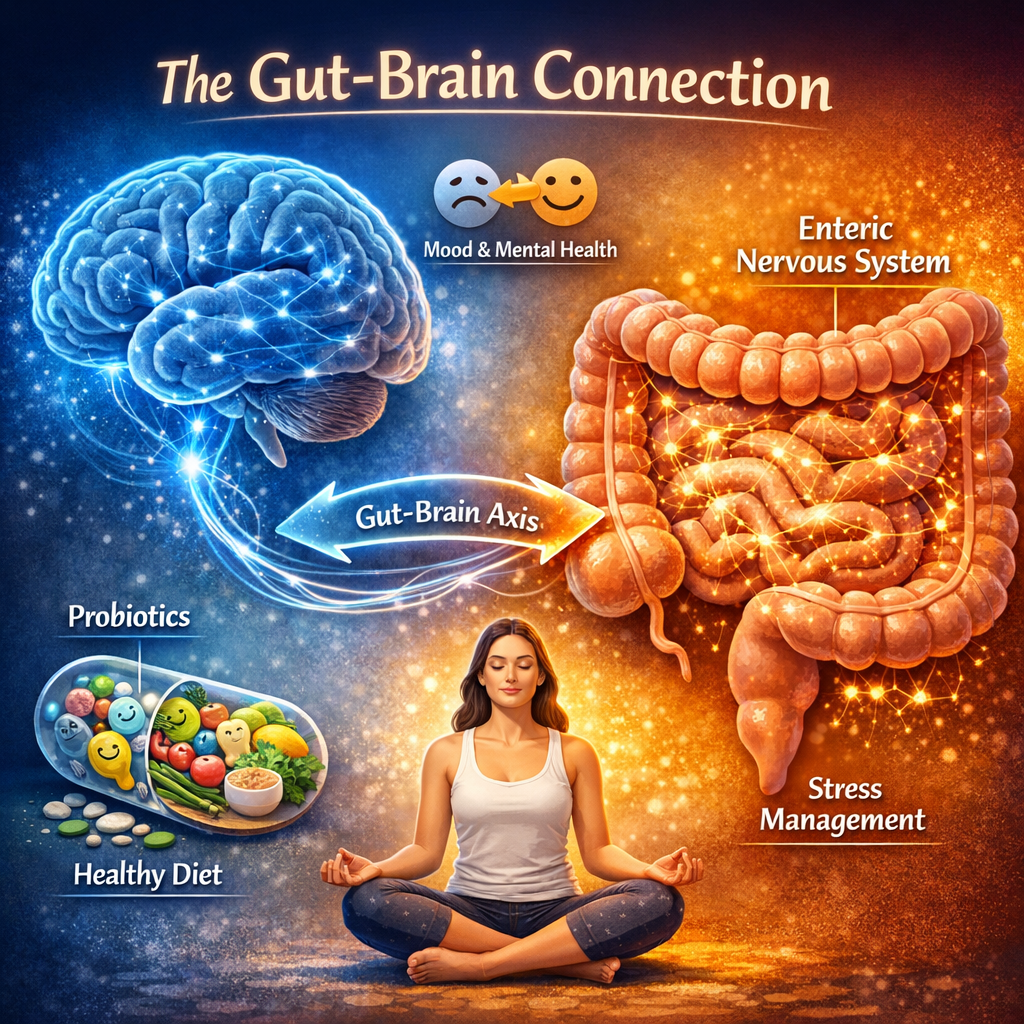
One of the most significant developments in this field is the understanding of the gut-brain axis. This bi-directional communication pathway between the gut and the brain involves the CNS, the endocrine system, the immune system, and the ENS. Neurons in the ENS integrate signals from the gut environment and translate them into neural patterns, which can influence everything from appetite control and digestive processes to emotional moods. This connection helps explain why issues such as stress, anxiety, and depression are often linked to digestive disorders like irritable bowel syndrome (IBS) and inflammatory bowel disease (IBD).
Another fascinating aspect is the role of neurotransmitters. Approximately 90% of the body’s serotonin, crucial for regulating mood and cognition, is produced in the gut, facilitated by gut microbiota. This microbial community thrives when supported by a healthy diet and lifestyle, interacting with the nervous system to influence gut permeability, inflammation, and motility. Diseases linked to neurotransmitter imbalances, such as anxiety and depression, show improved outcomes when gut health is simultaneously addressed, underscoring the deeply intertwined nature of the brain and gut.
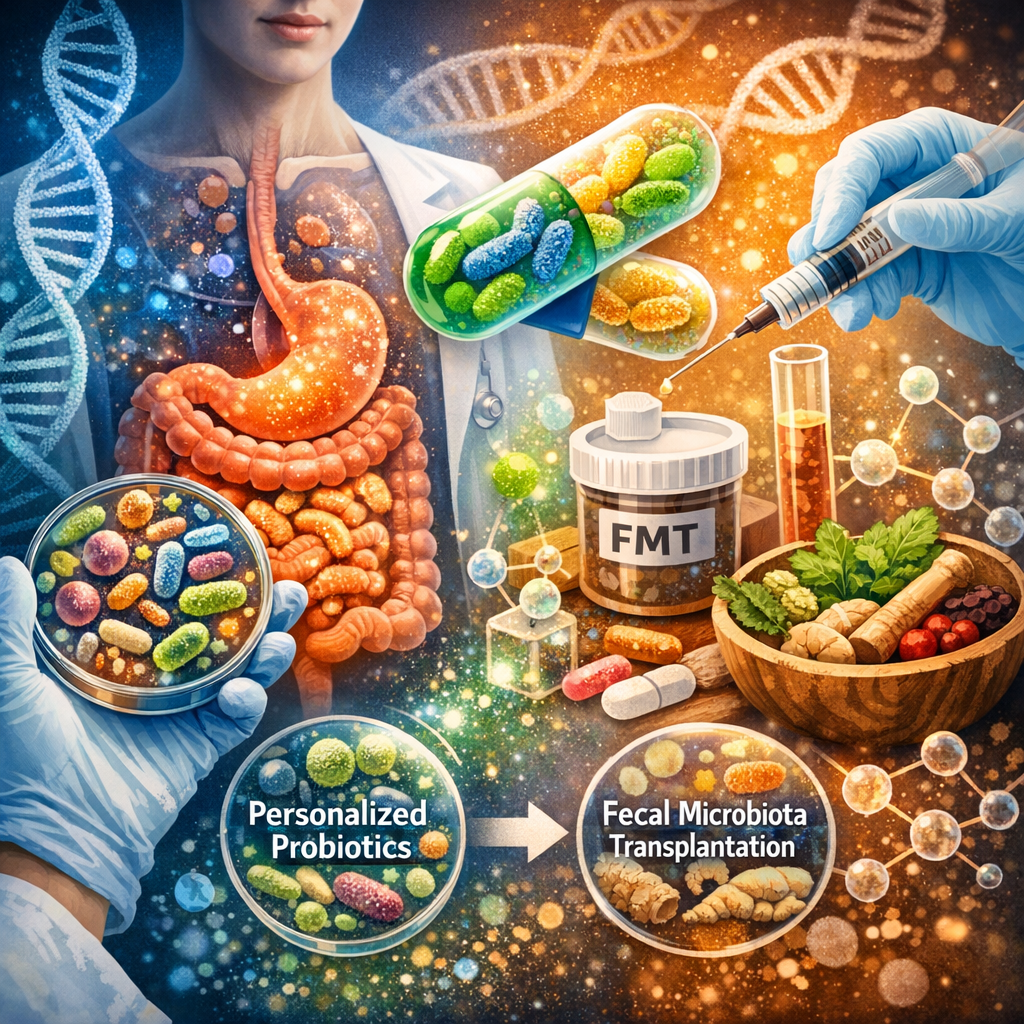
As more light is shed on this intricate relationship, attention is turning towards natural and herbal remedies that can support a harmonious gut-brain dialogue. Approaches such as probiotics, prebiotics, and dietary changes, alongside practices like mindfulness and stress management, are now seen not just as complementary treatments but as fundamental components of a holistic healthcare strategy. Understanding how the nervous system influences digestive health opens new vistas for improving quality of life through targeted interventions that promote overall wellness.
Features
Recent studies have significantly contributed to our understanding of the gut-brain axis and its implications for digestive health. A pivotal study published in Nature Reviews Gastroenterology & Hepatology explored how gut microbiota can influence the CNS through microbial metabolites like short-chain fatty acids and neurotransmitters. These microbial agents are thought to influence the vagus nerve, a major highway for real-time communication between the gut and brain.
Furthermore, a groundbreaking paper in the Journal of Neurogastroenterology and Motility highlighted the potential of targeting the gut microbiome to treat neuropsychiatric disorders. Research emphasized how specific probiotic strains can modulate brain functions and improve symptoms related to anxiety and depression by altering gut microbiota composition. These findings potentially transform therapeutic avenues for managing both neurological and digestive diseases through diet and lifestyle modifications.
Moreover, advanced imaging techniques have enabled scientists to observe the interaction between the ENS and CNS in real-time. Research from Science Translational Medicine demonstrated that stress-induced alterations in gut motility accentuate symptoms of IBS. This suggests that stress management techniques could serve as viable interventions for disorders by normalizing ENS function and communication with the CNS.
Additionally, herbal treatments and supplements have come under scientific scrutiny for their potential roles in maintaining gut health. A meta-analysis in Phytotherapy Research reviewed various plant-based treatments, such as peppermint oil and turmeric, which have shown efficacy in improving gastrointestinal symptoms and modulating ENS activity. Traditional herbal remedies like ginger, long used to alleviate nausea and promote digestion, are increasingly validated by modern research methodologies, offering promising natural alternatives for digestive support.
Conclusion
Understanding the relationship between the nervous system and digestive health offers profound opportunities for enhancing overall well-being. Scientific insights into the gut-brain axis reveal how closely our mental states and physical health are bound, advocating for a more integrative approach to treatment. Embracing natural remedies, dietary adjustments, and lifestyle modifications can foster a healthier gut environment, potentially mitigating digestive disorders and enhancing mental health. As research continues to evolve, individuals seeking holistic approaches to health can look forward to new, validated methods for supporting a balanced and resilient gut-nervous system connection.
Concise Summary
The intricate connection between the nervous system and gut health is increasingly illuminated by recent studies, particularly concerning the gut-brain axis. This bi-directional pathway influences both physical and mental well-being, linking issues such as stress and anxiety with digestive disorders like IBS. Approximately 90% of our body’s serotonin is produced in the gut, influencing mood and cognition. Innovative natural remedies, dietary interventions, and mindfulness practices are gaining traction in promoting gut health. As research evolves, these strategies are proving vital in creating comprehensive treatments for mental and digestive health improvements.