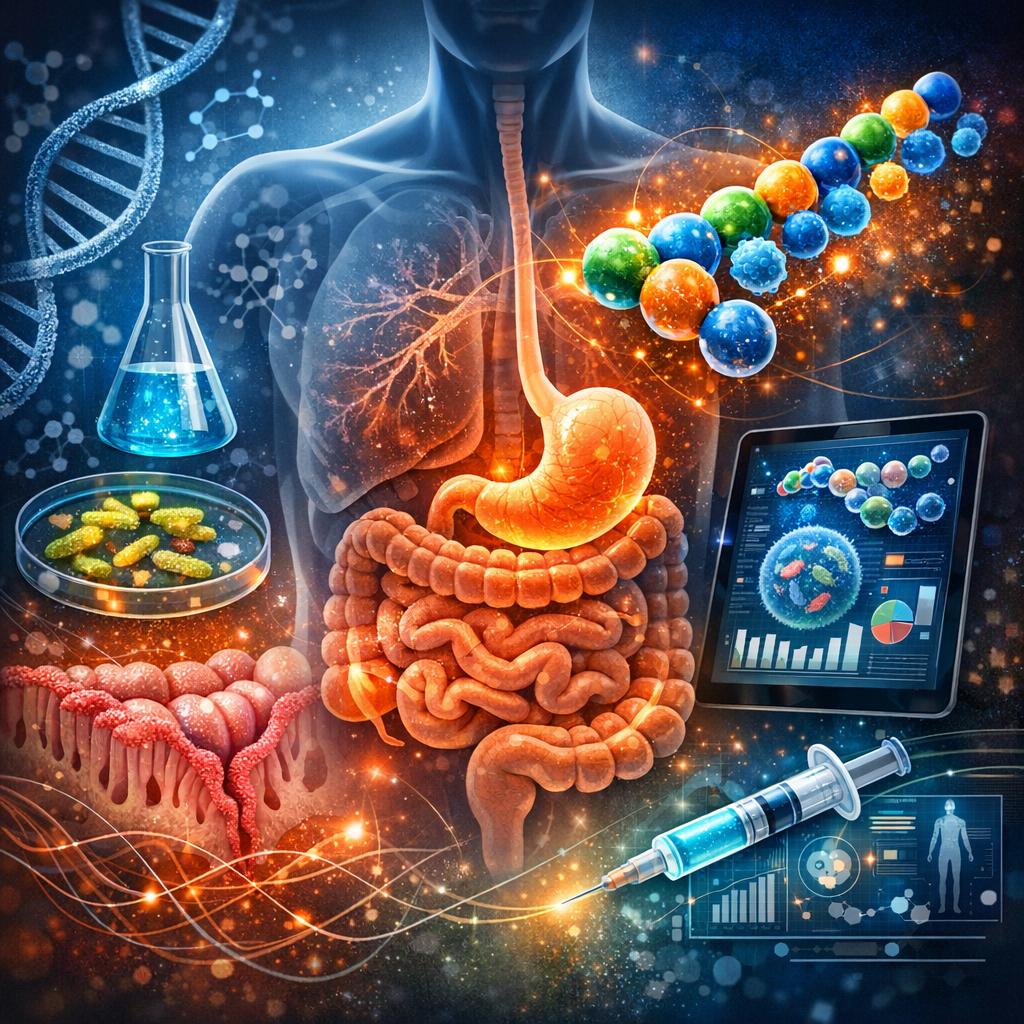
Gut Health’s Quantum Leap: The Role of Novel Peptides in Personalized Gastroenterology
Introduction
In recent years, the field of gastroenterology has witnessed transformative advancements, especially in understanding the complex ecosystem of the human gut. Once simply considered the body’s digestive powerhouse, the gut is now recognized as a pivotal player in overall health, interacting with various biological systems. These discoveries have sparked a quantum leap in how we view and treat gastrointestinal issues. Among the most promising developments are novel peptides—short chains of amino acids that are naturally occurring and can be engineered for specific therapeutic purposes.
Peptides have emerged as key players in personalized gastroenterology, offering the potential for targeted therapies that align with individual genetic makeup. The human microbiome, sometimes referred to as the body’s “second brain,” is intricately linked to overall health, and gut peptides have proven instrumental in modulating gut microbiota, reducing inflammation, and ameliorating symptoms of various gut-related disorders. Peptides like glucagon-like peptide-1 (GLP-1) have shown efficacy in managing metabolic disorders including diabetes, which often has gut-related components.
Furthermore, the personalized approach facilitated by these novel peptides marks a shift from the one-size-fits-all method traditionally associated with medical treatments. This personalized approach leverages the growing field of genomics, wherein specific peptide treatments are tailored according to an individual’s unique genetic code and microbiome profile. This not only enhances the efficacy of treatments but also minimizes the risk of adverse effects, which can be especially beneficial when dealing with complex conditions like irritable bowel syndrome (IBS) or Crohn’s disease.
The introduction of peptides into mainstream gastroenterology is poised to rewrite how we understand, diagnose, and treat gut health. By bridging the gap between conventional medicine and holistic approaches, novel peptides represent a frontier in medical science with the potential to redefine gut health management. In essence, their emergence heralds a paradigm shift, where personalized therapy isn’t just a possibility but a tangible reality changing the landscape of gut health interventions.
Features
The science behind the therapeutic potential of peptides in gastroenterology is robust, with a growing body of research exploring their role. A prominent example is the peptide GLP-1, which has garnered attention for its ability to regulate glucose metabolism and promote gut motility. In addition to managing blood sugar levels, GLP-1 plays a significant role in appetite regulation and has shown promise in addressing obesity, a condition often intertwined with gut health.
The efficacy of GLP-1 and similar peptides in gastroenterology extends to inflammation reduction and gut microbiota modulation. A study published in “[Nature Reviews Gastroenterology & Hepatology](https://www.nature.com/articles/s41575-018-0087-4)” highlighted how peptides can influence gut bacterial composition, potentially leading to beneficial outcomes in conditions like inflammatory bowel disease (IBD). By harnessing peptides’ ability to fine-tune inflammation and microbial balance, researchers are paving the way for innovative treatments that target the root causes of gut-related disorders.
In addition to GLP-1, investigational peptides like PYY3-36 and CCK-33 are being studied for their contributions to gut health. These peptides have shown potential in enhancing gut function and regulating food intake. Clinical studies are increasingly focusing on how these peptides can be optimized for personalized treatment plans, aiming to increase therapeutic precision and patient outcomes.
The impact of peptides like GLP-1 on gut motility and inflammation highlights the shifting paradigm towards personalized medicine. As more is understood about the genetic factors and microbiome profiles that characterize individuals with gut disorders, peptide therapies stand to offer highly customized interventions. The era of “one drug fits all” is being supplanted by therapies that consider individual nuances, thus enhancing efficacy and patient satisfaction.
Conclusion
As the scientific understanding of gut health continues to grow, the integration of novel peptides into personalized gastroenterology offers a promising future for individuals seeking natural and effective treatments. By leveraging the precise dynamics of peptides and personalizing their application, medical professionals can offer tailored interventions that address the unique complexities of each patient’s condition. As research progresses and clinical applications expand, novel peptides are set to become the cornerstone of gut health interventions, providing safer, targeted, and highly effective solutions for maintaining and restoring the intricate balance within the gut ecosystem. In this quantum leap, the future of gut health looks not only promising but also profoundly transformative.
Concise Summary
The field of gastroenterology is advancing rapidly, with novel peptides playing a crucial role in personalized medicine for gut health. These peptides, like glucagon-like peptide-1 (GLP-1), offer targeted therapies that align with an individual’s genetic makeup and microbiome profile, promising more effective and safer treatments. They modulate gut microbiota and reduce inflammation, tackling conditions like diabetes, obesity, and inflammatory bowel disease. This tailored approach moves away from one-size-fits-all solutions, representing a groundbreaking shift towards personalized gastroenterology interventions poised to transform gut health management.

Dominic E. is a passionate filmmaker navigating the exciting intersection of art and science. By day, he delves into the complexities of the human body as a full-time medical writer, meticulously translating intricate medical concepts into accessible and engaging narratives. By night, he explores the boundless realm of cinematic storytelling, crafting narratives that evoke emotion and challenge perspectives.
Film Student and Full-time Medical Writer for ContentVendor.com