The Unseen Role of the Gut Microbiome in Navigating Autoimmune Disorders: Beyond Conventional Wisdom
In recent years, the spotlight has increasingly turned toward our gut microbiome, revealing its profound and multifaceted influence on overall health. While the gut’s role in digestion and nutrient absorption is well recognized, its involvement in other bodily systems, particularly the immune system, is gaining attention. This burgeoning area of research speaks volumes about the gut’s unseen role in autoimmune disorders. Such disorders occur when the immune system mistakenly attacks healthy cells, and managing them often requires a holistic approach that extends “beyond conventional wisdom.”
Autoimmune diseases like rheumatoid arthritis, multiple sclerosis, and lupus have long been considered isolated or mysterious conditions, and traditional treatments often focus on symptom management through medications like steroids and immunosuppressants. However, as scientists delve deeper into the gut microbiome, a complex ecosystem of trillions of microorganisms, they are uncovering links to inflammation and immune dysregulation. It appears the gut microbiome potentially influences both the onset and progression of autoimmune disorders.
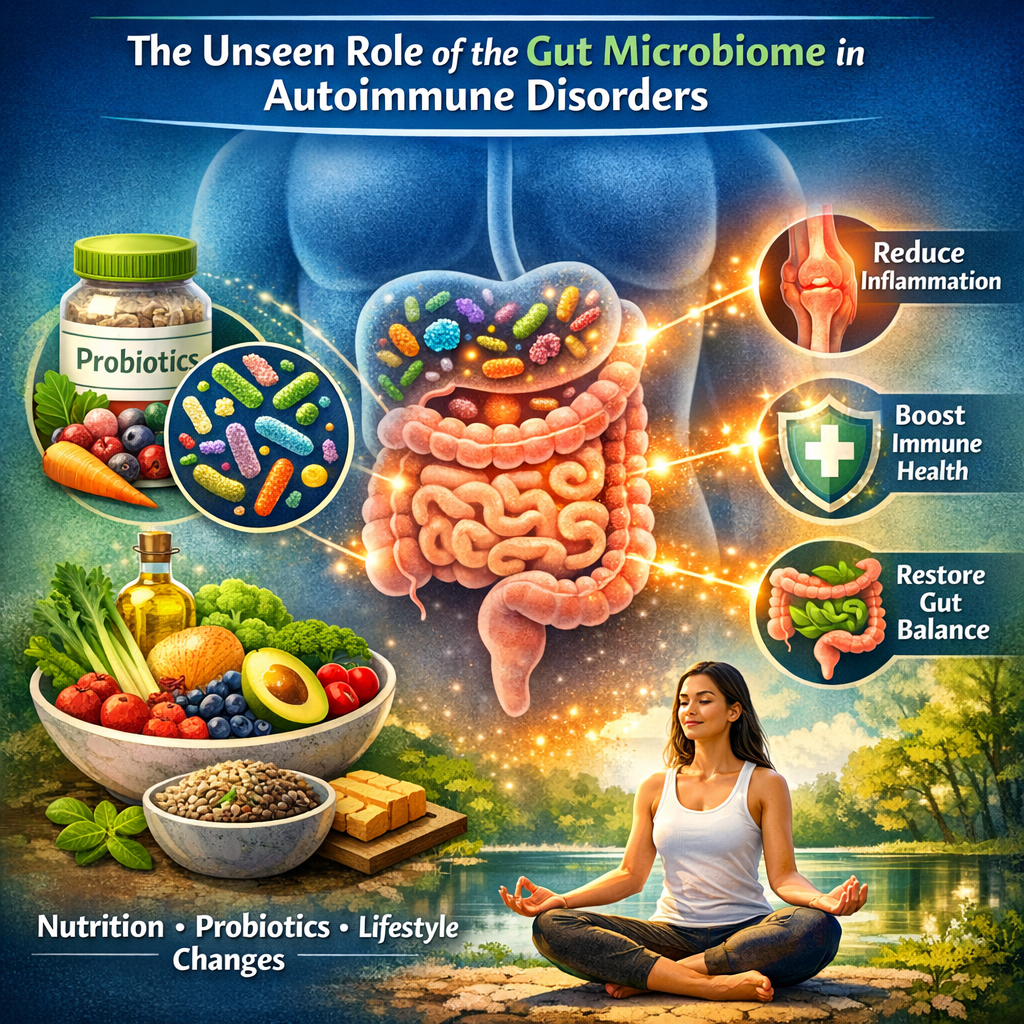
The gut hosts approximately 70% of the body’s immune cells. This dense population of microorganisms interacts with the immune system to protect the host from pathogens. However, when the gut’s balance of good and bad bacteria is disrupted—a condition known as dysbiosis—it may lead to immune system malfunctions. Emerging studies suggest that restoring this balance through diet, probiotics, prebiotics, and lifestyle changes may offer natural avenues for mitigating autoimmune responses.
Exploring natural and herbal treatments to support gut health is gaining traction, and for good reason. Research is continually uncovering how specific probiotics can reduce inflammation and how diets rich in fiber-rich foods, fermented products, and specific herbs may positively alter the microbiome’s composition. These interventions aim not only to alleviate symptoms but also to address the root cause, offering a promising complementary approach to autoimmune management.
Features
Scientific inquiry into the gut microbiome’s role in autoimmune disorders is blossoming, providing insights into how our internal ecosystem can influence health. A pivotal study published in the journal [*Nature*](https://www.nature.com/articles/nature11864) highlighted the impact of gut bacteria in modulating immune responses. Researchers observed that specific strains of bacteria might play a protective role against autoimmune diseases by interacting with immune cells and reducing inflammatory markers. By studying patients with rheumatoid arthritis, they found that those with higher levels of the bacterium Prevotella copri exhibited more severe symptoms, while introducing certain probiotics helped restore balance and alleviate symptoms.
Furthermore, a study in the journal [*Cell*](https://www.cell.com/cell-reports/fulltext/S2211-1247(13)00407-X) focused on the gut’s interaction with the central nervous system, which can play a role in autoimmune diseases such as multiple sclerosis (MS). It showed that a dysbiotic microbiome could exacerbate neurological symptoms, whereas a microbiome rich in health-promoting bacteria could suppress neuroinflammation. This pivotal research underscores the importance of maintaining a balanced gut microbiota in managing neurological autoimmune conditions.
The influence of diet on the gut microbiome and, consequently, on autoimmune health is also gaining validation. Research in the [*American Journal of Clinical Nutrition*](https://academic.oup.com/ajcn/article/96/5/1237/4576482) emphasized that a high-fiber diet, particularly with fermentable fibers, can enhance gut health by promoting beneficial bacteria such as Bifidobacteria and Lactobacilli. Additionally, herbs like turmeric, ginger, and garlic, celebrated for their anti-inflammatory and antimicrobial properties, have shown promise in supporting immune function and gut health. Incorporating these into the diet may bolster the gut’s resilience against autoimmune triggers.
Scientists continue to advocate for comprehensive microbiome research to unlock its potential in preventing and managing autoimmune conditions. With growing evidence, the future of autoimmune treatment could see a paradigm shift towards more integrative and individualized approaches, utilizing the symbiotic relationship between humans and their gut microbiota.
Conclusion
The unseen role of the gut microbiome in navigating autoimmune disorders opens up an exciting frontier beyond traditional treatment methods. Understanding and harnessing this complex ecosystem’s power could redefine how we address autoimmune challenges. By focusing on naturally restoring gut balance through nutrition, probiotics, and lifestyle adjustments, individuals might find new, more sustainable paths to managing these conditions. As research advances, integrating gut health into autoimmune care strategies offers hope for improved quality of life and long-term wellness. Embracing the gut microbiome’s role not only transforms our perspective on autoimmune disorders but also invites a broader shift toward holistic health management.
Concise Summary:
The gut microbiome plays a critical role in autoimmune disorders by interacting with the immune system. Research links gut balance to the regulation of conditions like rheumatoid arthritis and multiple sclerosis. Maintaining gut health through diet, probiotics, and lifestyle can offer new ways to manage these diseases, potentially beyond traditional treatments. Studies reveal how specific bacteria and dietary approaches reduce inflammation and support immune function, suggesting a shift towards integrative care. Understanding and utilizing the gut’s impact on autoimmune health promises improved patient outcomes and highlights the importance of ongoing microbiome research.