Cracking the Code: How AI is Revolutionizing Personalized Protocols for Uncharted Gut Disorders
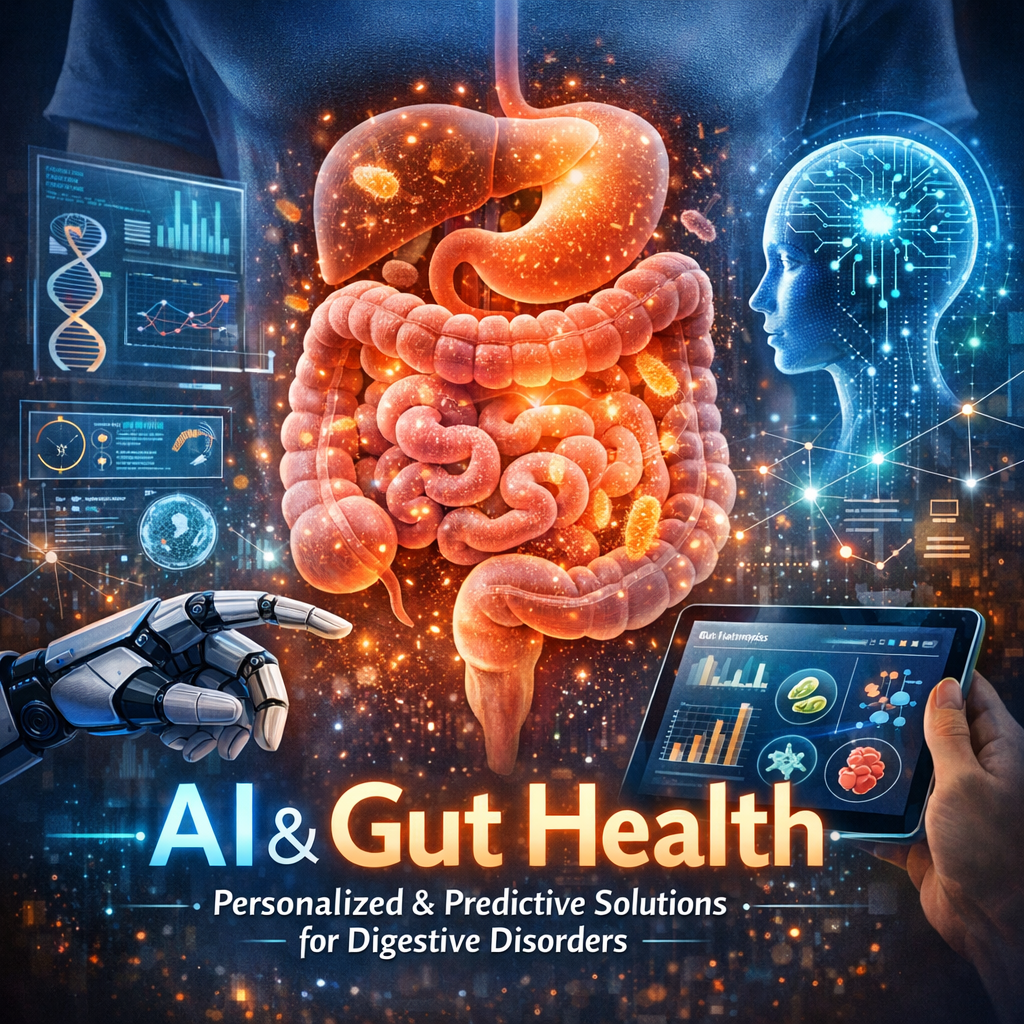
The human gut is an intricate ecosystem home to trillions of bacteria, fungi, and viruses, playing a critical role in our overall health. From digestion to immunity, these microorganisms influence various bodily functions, and any imbalance can lead to uncharted gut disorders that pose a significant challenge for both patients and healthcare professionals. Conditions such as Irritable Bowel Syndrome (IBS), Small Intestinal Bacterial Overgrowth (SIBO), and non-celiac gluten sensitivity require personalized interventions due to their enigmatic nature and varied symptoms. This is where the revolutionizing power of Artificial Intelligence (AI) comes into play. AI is transforming the way we approach gut health, leveraging vast datasets to develop personalized protocols tailored to individual needs.
Traditional approaches to gut health often involve trial-and-error methods that can be frustrating and time-consuming. However, AI offers a promising solution by analyzing complex data sets to identify patterns that may not be immediately apparent to clinicians. Machine learning algorithms can process information from diverse sources, including genetic profiles, microbiome analyses, and patient health records, to predict the most effective treatments and interventions for specific gut disorders. By understanding the unique composition of each person’s microbiome and how it interacts with their environment and diet, AI can suggest personalized dietary and herbal interventions, potentially alleviating symptoms more effectively than a one-size-fits-all approach.
Furthermore, AI’s ability to assimilate and process data in real-time means that it can help track the progress of interventions, adjusting them as needed to optimize outcomes. This adaptability is crucial in managing gut disorders, which can fluctuate in intensity and symptoms. Patients can potentially benefit from AI-driven, personalized protocols that consider the specific dynamics of their gut microbiome, leading to improved quality of life and a deeper understanding of their unique condition. Ultimately, the integration of AI into gut health represents a significant leap forward in cultivating an individualized approach to managing gut disorders.
Features: AI and Gut Health Studies
Recent studies underscore the potential of AI in transforming gut health management. A groundbreaking study published in [Nature Medicine](https://www.nature.com/articles/s41591-019-0403-3) utilized AI to analyze microbiome and clinical data to map out unique microbial signatures associated with specific gut disorders. The research demonstrated that AI could predict the presence of gut conditions with remarkable accuracy, paving the way for earlier diagnosis and more targeted interventions.
Additionally, a 2022 study from [King’s College London](https://onlinelibrary.wiley.com/doi/full/10.1111/nmo.14148) explored the use of AI in deciphering dietary impacts on the gut microbiome. The research highlighted that AI could identify which dietary components are most beneficial for individual gut flora compositions, offering insights into creating personalized dietary plans to promote gut health.
Moreover, AI is being used to develop predictive models for gut disorder management. In a pilot study by the [University of California](https://journals.lww.com/ibdjournal/Abstract/2022/10000), researchers employed AI algorithms to predict flare-ups in patients with inflammatory bowel disease (IBD) based on lifestyle, dietary, and microbiome data. This predictive ability allows for proactive management of the condition, offering patients a chance to address potential issues before they develop into full-blown symptoms.
These studies demonstrate the vast potential of AI in advancing our understanding of gut disorders and their management, signaling a future where personalized gut health protocols are the norm. AI enables the integration of genetic, microbial, and lifestyle factors, forming a comprehensive approach to addressing the multifaceted nature of gut health issues.
Conclusion
AI’s integration into the realm of gut health is more than a technological advance; it signifies a paradigm shift in personalized healthcare. By harnessing the power of AI, healthcare providers can offer individualized treatment plans that address the unique microbiome compositions and dietary needs of patients with uncharted gut disorders. This new frontier in gut health not only opens up the possibility for more effective interventions but also empowers patients with knowledge about their own bodies. As AI technology continues to evolve, it holds the promise of unraveling the complexities of gut health, offering hope for those who seek natural and tailored solutions for their digestive challenges. The future of gut health is personalized, predictive, and profoundly influenced by the capabilities of artificial intelligence.
Concise Summary
Artificial Intelligence is revolutionizing the management of uncharted gut disorders such as IBS and SIBO by developing personalized health protocols. Unlike traditional trial-and-error methods, AI analyzes vast datasets to tailor interventions based on individual microbiome compositions. Recent studies, like those published in Nature Medicine and by King’s College London, highlight AI’s potential in diagnosing gut disorders and formulating personalized dietary plans. This AI-driven adaptability ensures real-time adjustments to treatment strategies, improving patient outcomes and quality of life. The integration of AI into gut health marks a significant shift towards individualized, effective healthcare solutions.