Unlocking the Gut’s Hidden Potential: How Systems-Based Biochemistry Can Revolutionize Chronic Disease Management
Introduction
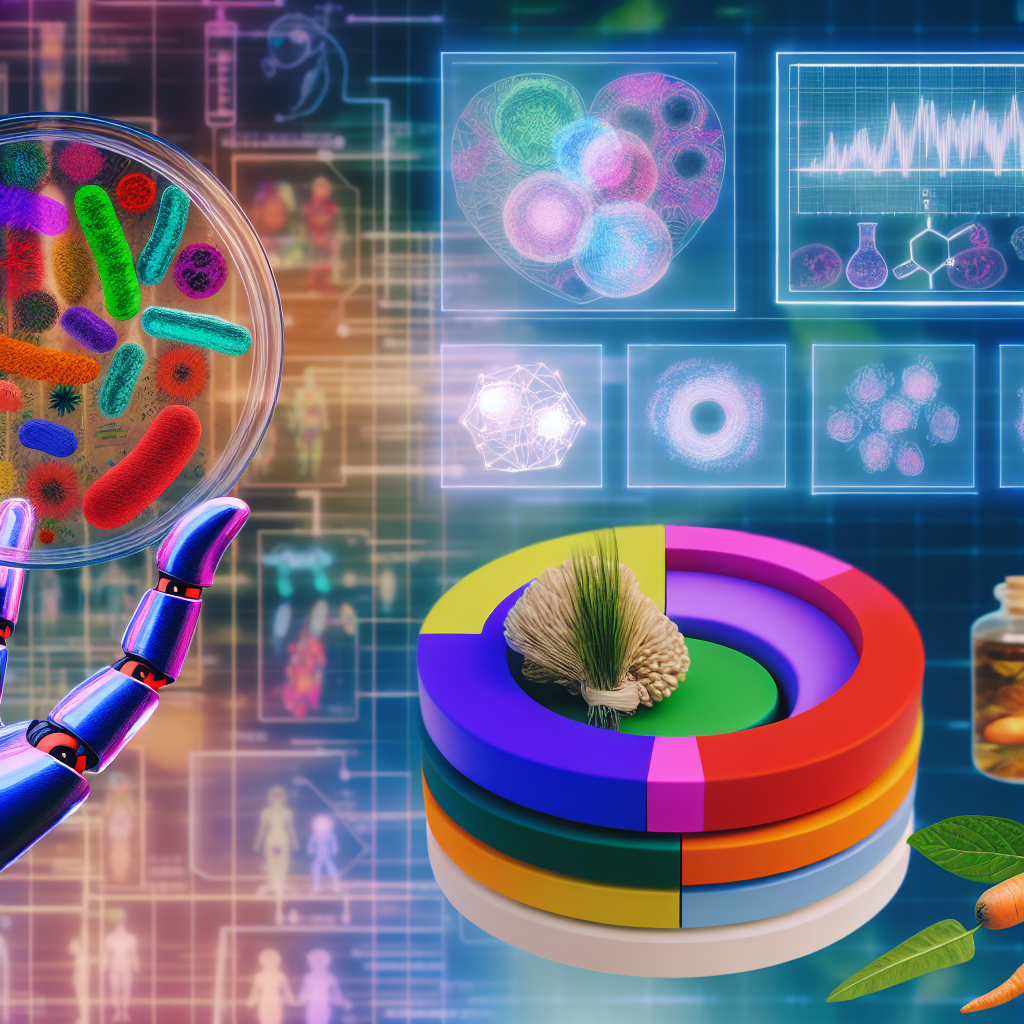
In recent years, the gut has emerged as a central focus in our understanding of human health, expanding beyond its traditional role of digestion and absorption of nutrients. The gut is home to a complex community of microorganisms, known as the gut microbiome, which has been linked to a host of effects on not just digestive health but also immune function, metabolism, and even mental well-being. Researchers are now exploring a systems-based biochemistry approach to investigate how manipulating the gut and its microbiota can influence chronic disease management.
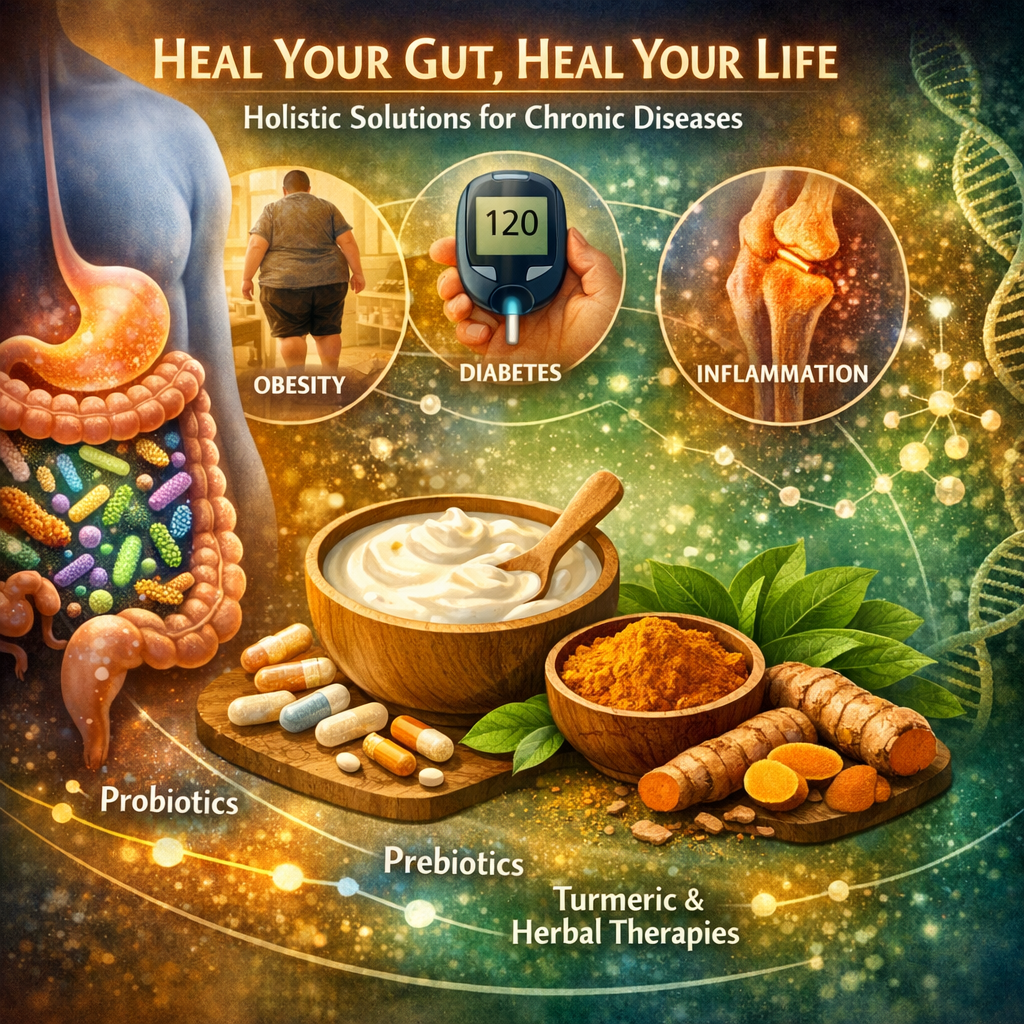
Chronic conditions, such as obesity, diabetes, cardiovascular diseases, and inflammatory disorders, have been increasingly linked to imbalances in the gut microbiota, also known as dysbiosis. Understanding these complex interactions has paved the way for innovative treatments that incorporate natural cures and herbal interventions, viewing the body as an interconnected system rather than separate entities. This systems-based approach appreciates the nuance of the gut’s role in chronic disease management, encouraging strategies that harmonize the delicate balance of the gut ecosystem.
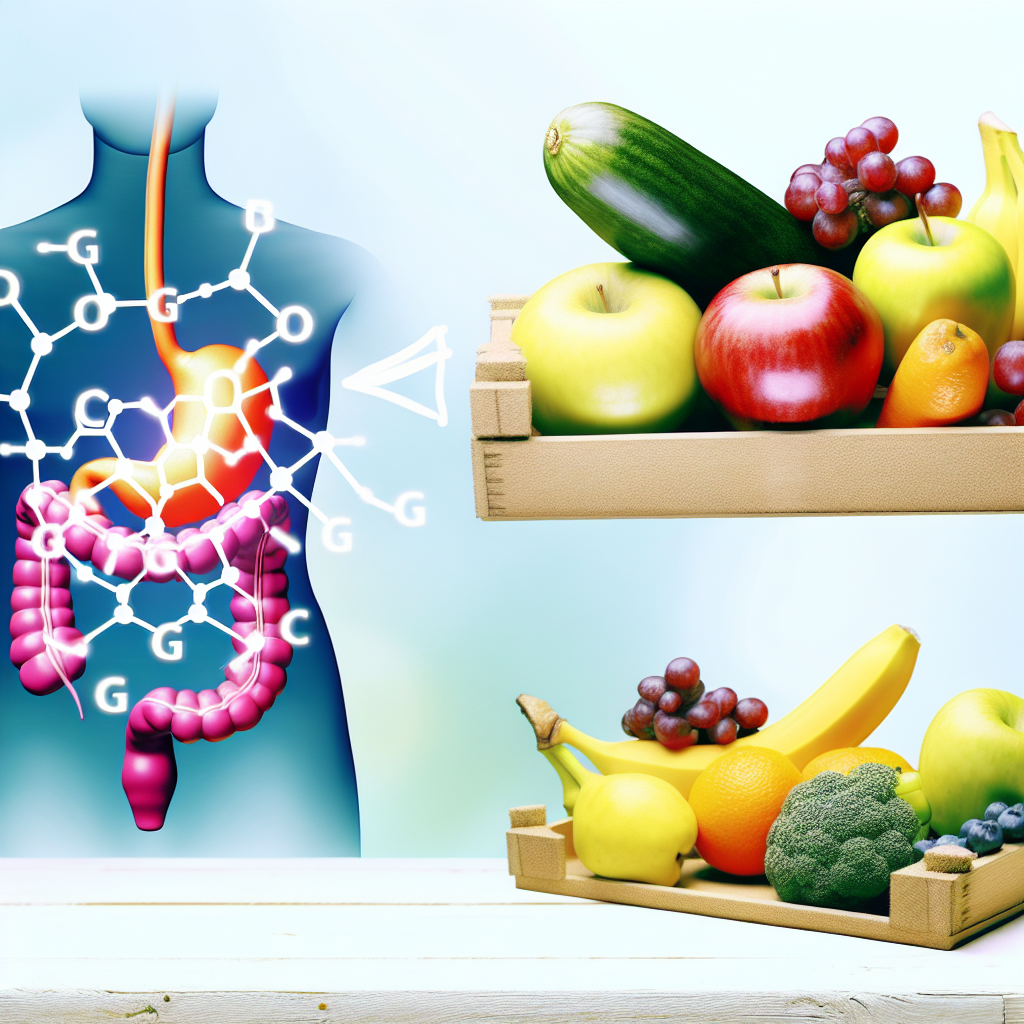
Herbal treatments and natural supplements are gaining traction as key components in this holistic approach to gut health. Plants with known prebiotic properties, such as garlic, onions, and leeks, facilitate the growth of beneficial bacteria in the gut. Herbs like peppermint and ginger are traditionally celebrated for their digestive soothing effects, while emerging research highlights their potential in altering gut microbiota composition favorably. Similarly, polyphenols found in green tea and certain fruits act as nutraceuticals, providing antioxidant benefits and supporting intestinal barrier function.
The confluence of these natural remedies with a systems-based biochemistry approach offers a promising landscape for chronic disease management, focusing on the gut’s role in systemic health. By leveraging this intricate web of interactions within the gut, it becomes feasible to develop personalized, effective treatments for chronic diseases that have otherwise proven difficult to manage through conventional medical interventions.
Features
Recent scientific investigations have elucidated the pivotal role of gut health in systemic well-being, using systems-based biochemistry as a framework to decipher these complex interactions. One study published in the journal *Cell* highlighted how alterations in gut microbiota could influence disease states such as type 2 diabetes and inflammatory bowel disease, showcasing the gut’s potential as a therapeutic target.
Clinical trials have also demonstrated that specific probiotics and prebiotics can beneficially modulate gut microbiota, leading to improved outcomes in patients with chronic diseases. For example, a comprehensive review in *Frontiers in Immunology* discussed how probiotics could reduce inflammation and improve metabolic profiles in diabetic patients by enhancing gut barrier function and reducing systemic endotoxin levels. These findings support the notion that maintaining a balanced gut flora is crucial for mitigating chronic disease progression.
A study in The Lancet microbiology journal further investigated the therapeutic potential of synbiotics—a combination of probiotics and prebiotics—in reducing markers of inflammation in patients with metabolic syndrome. Through a double-blind controlled trial, researchers concluded that participants who received synbiotics exhibited significant reductions in inflammatory markers compared to placebo, indicating improved metabolic functioning.
Additionally, trials have shown the benefits of integrating herbal treatments in chronic disease management protocols. Turmeric, with its active component curcumin, was examined in a study published in *The Journal of Clinical Gastroenterology*, demonstrating its ability to modulate gut flora and exert anti-inflammatory effects, particularly in patients with ulcerative colitis. These findings align with the growing body of evidence supporting the integration of herbal remedies in managing chronic gut-related disorders, harnessing the gut’s potential in controlling systemic inflammation and disease progression.
By analyzing these interconnections through a systems-based biochemistry lens, researchers and healthcare professionals can design more holistic and personalized treatment plans, incorporating both cutting-edge science and traditional herbal wisdom to empower patients in their pursuit of health and wellness.
Conclusion
The systems-based biochemistry perspective offers a revolutionary approach to managing chronic diseases by focusing on the gut’s extensive influence on overall health. Integrating natural cures and herbal treatments into this framework not only enhances gut health but also provides a path to personalized, effective interventions for chronic disease management. As we deepen our understanding of the gut’s intricacies, it becomes imperative to consider therapeutic strategies that encompass balancing the microbiome, promoting systemic health, and ultimately transforming chronic disease management. The future of healthcare lies not just in treating symptoms, but in nurturing the foundational systems of health, starting with the gut.
Concise Summary
This article explores how a systems-based biochemistry approach can revolutionize chronic disease management by focusing on the gut’s role in systemic health. By understanding and leveraging the gut microbiome, new treatments that incorporate natural cures, such as probiotics, prebiotics, and herbal remedies, are emerging. Studies show these interventions help modulate gut flora, reduce inflammation, and improve metabolic and immune functions, offering personalized solutions for diseases like diabetes, inflammatory bowel disease, and metabolic syndrome. This comprehensive approach promotes a paradigm shift from treating symptoms to addressing root causes, starting with gut health.