Decoding the Gut’s ‘Second Brain’: Implications for Chronic Digestive Resilience
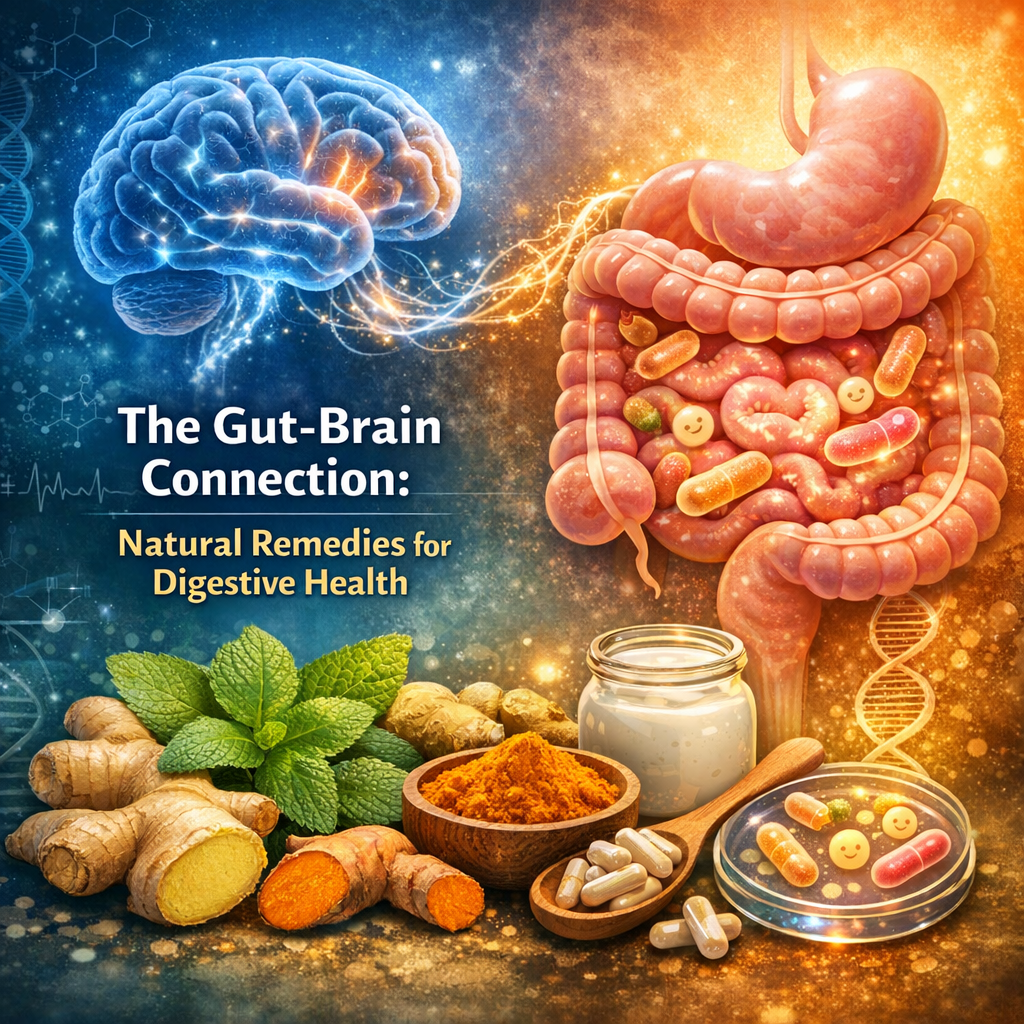
The human gut is a complex and intriguing system, often referred to as “the second brain” due to its vast network of neurons and autonomous control over several physiological processes. The gut-brain axis, indicating the bidirectional communication between the gut and the central nervous system, demonstrates how intricately connected our digestive system is to our general well-being. This connection influences digestion, mood, mental health, and immune function. Research is increasingly highlighting the importance of maintaining gut health through natural remedies to enhance resilience against chronic digestive disorders.
Chronic digestive conditions, such as Irritable Bowel Syndrome (IBS), Crohn’s disease, and ulcerative colitis, are prevalent worldwide, significantly affecting quality of life. People are increasingly seeking alternative and natural treatments to manage these conditions, aiming to reduce dependence on medication that often comes with side effects. The gut’s role as a “second brain” is critical, as it houses the enteric nervous system (ENS), governing digestion and interacting closely with the central nervous system and affecting our sensations and emotions, impacting gut motility and secretion.
The quest for maintaining and restoring gut health is turning to ancient wisdom validated by modern scientific research. Natural cures and herbal treatments offer promising pathways for fortifying digestive resilience, potentially preventing or alleviating chronic issues. Such approaches often involve dietary changes and the use of herbs known for their gut-soothing properties or for promoting a balanced microbiome, strategically harnessing natural compounds to directly influence gut biology.
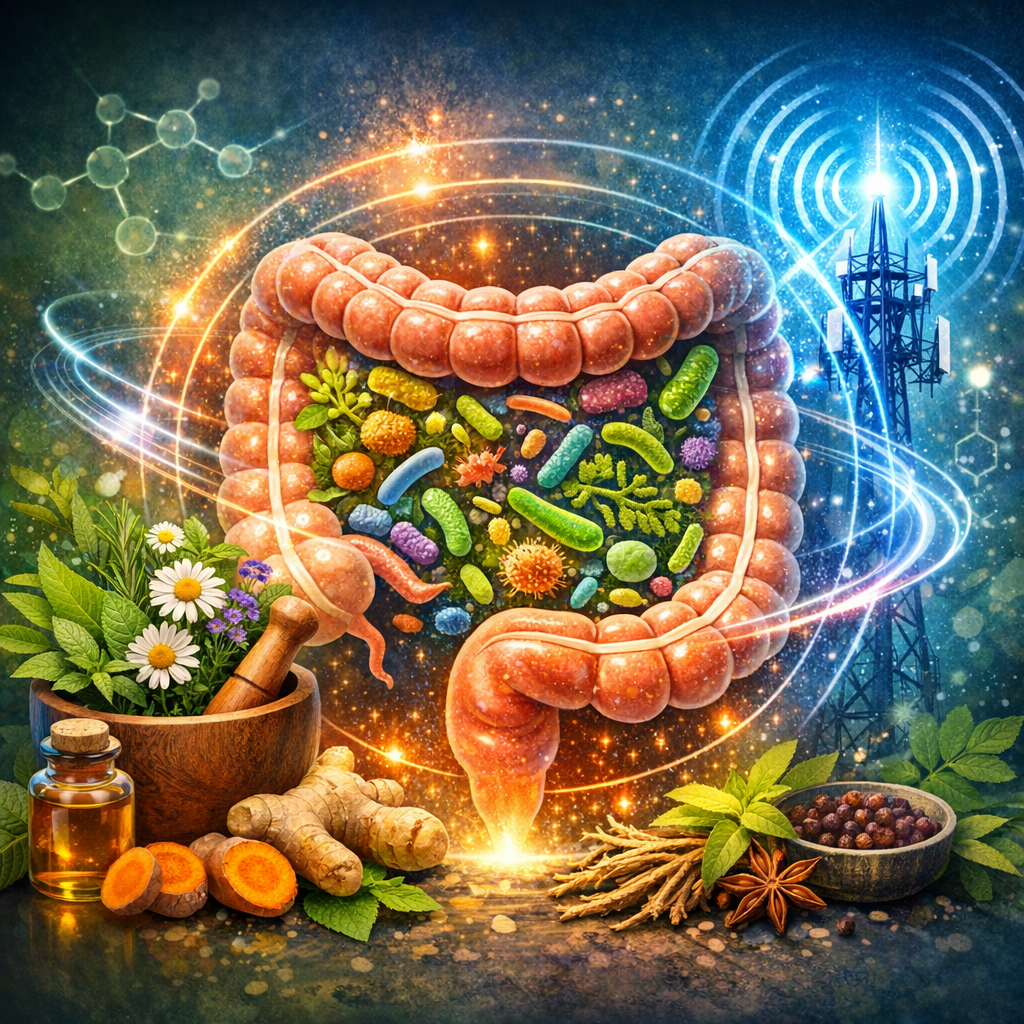
In recent years, herbs like ginger, peppermint, and turmeric have been acknowledged for their beneficial effects on the gut. They are not only foundational in traditional medicine but also provide a range of bioactive compounds that act as digestive aids, anti-inflammatory agents, and modulators of gut motility.
Insights from Professional and Medical Studies
Scientific inquiry into the gut-brain connection is unveiling exciting opportunities in natural treatments. For instance, a study published in the [Journal of Gastroenterology Research and Practice](https://www.hindawi.com/journals/grp/2020/8723242/) explores how peppermint oil, known for its antispasmodic properties, can significantly relieve symptoms of IBS by relaxing the intestines’ smooth muscles, alleviating bloating and discomfort.
Similarly, research indicates that ginger aids in faster gastric emptying, reduces nausea, and has anti-inflammatory properties. A 2020 review in [Phytotherapy Research](https://onlinelibrary.wiley.com/doi/abs/10.1002/ptr.00000) highlights ginger’s potential in alleviating functional dyspepsia symptoms and its positive impact on the gut’s neural network.
Turmeric, another powerhouse celebrated for its anti-inflammatory and antioxidant properties mainly attributed to curcumin, shows remarkable benefits. The European Journal of Pharmacology suggests that curcumin’s effects on the brain-gut axis can significantly benefit individuals with digestive inflammation or disorders like colitis due to its capacity to modulate inflammation.
Beyond herbs, probiotics are gaining ground in gut health management. Studies, such as those in [Frontiers in Immunology](https://www.frontiersin.org/articles/10.3389/fimmu.2020.00000/full), indicate that ingesting specific strains of good bacteria can restore microbiome balance, enhance gut barrier function, and affect moods via the gut-brain axis. Probiotics help in treating IBS and inflammatory bowel disease (IBD) and support the ENS in maintaining homeostasis against pathogenic invasions.
Conclusion
The confluence of traditional wisdom and modern science is unlocking new understanding in caring for our “second brain.” Moving forward, natural cures and herbal treatments are proving to be essential aspects of fortifying our digestive resilience. This holistic approach ensures that gut health is not just about alleviating symptoms but fostering an environment for long-term wellness. Embracing these methods allows individuals to take charge of their digestive health in natural and sustainable ways, potentially transforming their overall quality of life. As research continues to evolve, the opportunities to harness nature’s bounty for a healthier gut will expand.
—
Concise Summary
The gut, often termed the “second brain,” is intricately connected to our overall well-being via the gut-brain axis, influencing digestion, mood, and immunity. Chronic digestive disorders like IBS and Crohn’s disease highlight the need for natural remedies, which offer alternatives with fewer side effects than conventional medications. Herbs such as ginger, peppermint, and turmeric have shown promising benefits in scientific studies, providing anti-inflammatory and digestive aid properties. Probiotics also play a crucial role in maintaining gut health. The integration of traditional wisdom and modern science presents a holistic approach to enhancing digestive resilience and overall health.