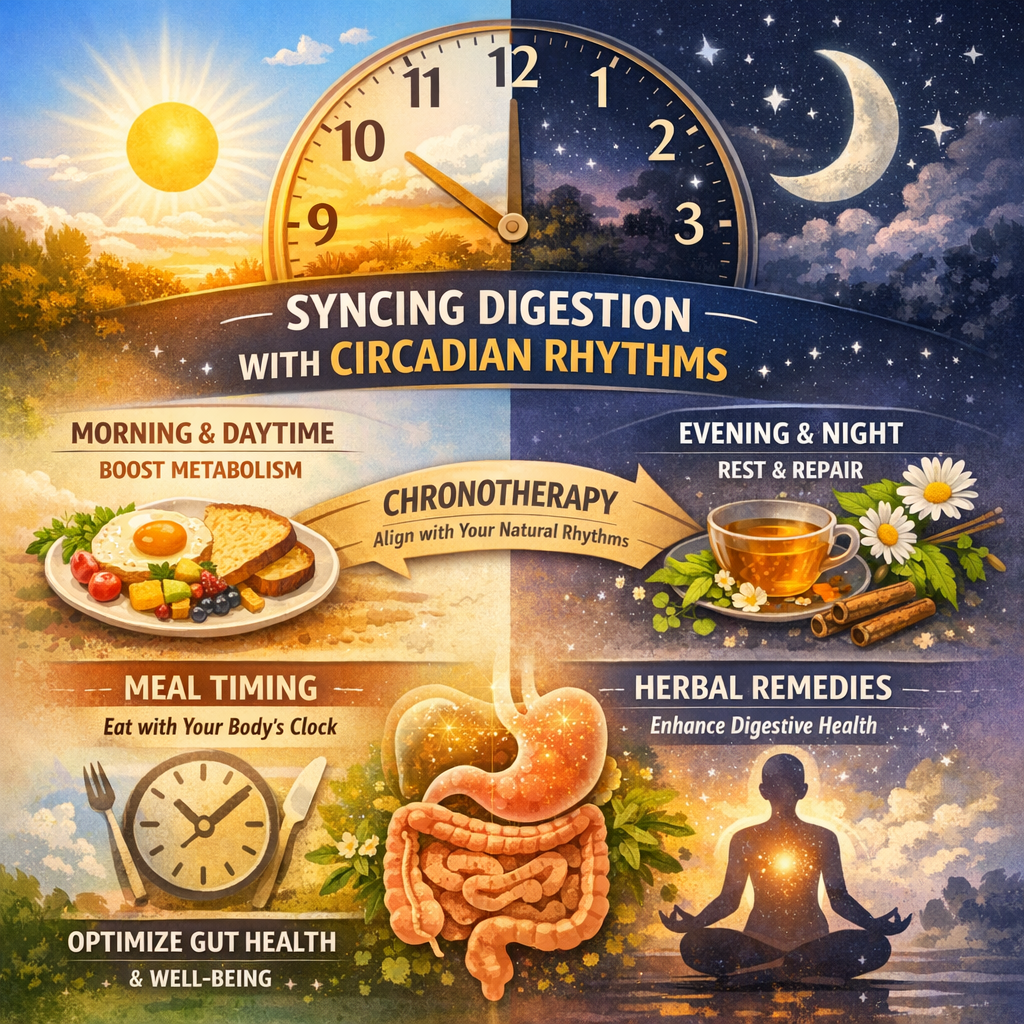
Unlocking the Gut’s Hidden Clock: How Circadian Rhythms Influence Digestive Health and Treatment Efficacy
Introduction
The gut is often referred to as the “second brain” due to its complex and integral role in overall health. However, few realize that our digestive system is tightly intertwined with our body’s circadian rhythms—our internal biological clock that runs on a 24-hour cycle. Just as circadian rhythms regulate our sleep-wake cycles and energy levels, they also profoundly influence digestive health and the efficacy of treatments we seek for gut-related issues.
Circadian rhythms are governed by the hypothalamus in the brain, but intriguingly, every cell in our body has its own clock. This includes the cells lining the gastrointestinal tract and those belonging to the gut microbiome, the trillions of bacteria residing in our gut. These internal clocks respond to various external cues such as light, food intake, and sleep patterns. When these rhythms are disrupted, it can lead to digestive disorders like irritable bowel syndrome (IBS), inflammatory bowel disease (IBD), and even metabolic issues such as obesity and diabetes.
Research has shown that the gut microbiome follows its own circadian cycles, which can impact digestion, nutrient absorption, and even the body’s immune response. The timing of food intake—aligned with the body’s natural rhythms—can enhance these processes, promoting better gut health. Furthermore, the time at which one takes certain medications or herbal treatments can greatly affect their efficacy, as the gut’s ability to absorb and metabolize compounds can vary throughout the day.
For those seeking natural cures and herbal treatments, understanding and harnessing the power of circadian rhythms can optimize outcomes. Herbs like ginger, peppermint, and chamomile, known for their gut-soothing properties, may be more effective when taken at times that align with the body’s peak absorption periods. Meanwhile, lifestyle modifications such as maintaining a consistent sleep schedule and optimizing exposure to natural light can reinforce the body’s circadian rhythms, thereby promoting digestive health.
Features
Recent studies have provided insights into the complex relationship between circadian rhythms and gut health. A notable study published in the journal “Cell” highlights how the gut microbiota exhibits diurnal oscillations, undergoing compositional changes throughout the day and night. The study further indicates that these microbial rhythms are influenced by feeding times, emphasizing the importance of meal timing in digestive health ([Thaiss et al., 2014](https://www.cell.com)).
An important research piece from the “Proceedings of the National Academy of Sciences” explored how jet lag—a common disruptor of circadian rhythms—can lead to dysbiosis, or microbial imbalance in the gut. This disruption was shown to increase glucose intolerance, emphasizing the critical link between circadian misalignment and metabolic disorders ([Zarrinpar et al., 2016](https://www.pnas.org)).
Furthermore, researchers at Harvard have uncovered that misalignment of circadian rhythms, often seen in shift workers or travelers, can directly impact gut permeability. An increase in gut permeability can lead to inflammation, underscoring the potential for circadian rhythm-based interventions to restore gut integrity ([Sahar et al., 2020](https://www.health.harvard.edu)).
In terms of treatment efficacy, a study in “Nature Reviews Gastroenterology & Hepatology” discusses the chronotherapy approach—timing the administration of therapeutic agents to coincide with the body’s natural rhythms. This approach is gaining traction, particularly for natural treatments like herbal remedies, which may have peak absorption periods throughout the day ([Sharma & Dallmann, 2023](https://www.nature.com)).
Herbal treatments such as turmeric, known for its anti-inflammatory properties, and aloe vera, celebrated for its soothing effects on the GI tract, can have enhanced efficacy when aligned with these chronotherapeutic principles. Timing the intake of these herbs to match periods when the body is most receptive—typically mid-morning and late afternoon—can potentiate their benefits.
Conclusion
Unlocking the gut’s hidden clock offers a promising avenue for enhancing digestive health and optimizing the efficacy of natural and herbal treatments. By aligning our lifestyles and treatment regimens with our body’s circadian rhythms, we can foster a healthy gut environment and improve overall well-being. As our understanding of these internal clocks deepens, tools like meal timing strategies and chronotherapy may become integral to preventive and therapeutic approaches for digestive disorders. Harnessing the power of our circadian rhythms could indeed hold the key to unlocking new paths in gut health and holistic medicine.
References
– Thaiss, C. A., et al. (2014). “Dietary and Microbial Cues in Circadian Systems.” Cell. [Link](https://www.cell.com)
– Zarrinpar, A., et al. (2016). “The role of the gut microbiome in jet lag and shift work.” Proceedings of the National Academy of Sciences. [Link](https://www.pnas.org)
– Sahar, S., et al. (2020). “Circadian rhythms and gut bacteria: insights and implications for health and disease.” Harvard Gazette. [Link](https://www.health.harvard.edu)
– Sharma, V. K., & Dallmann, R. (2023). “Chronotherapy in gastrointestinal disorders: A new perspective.” Nature Reviews Gastroenterology & Hepatology. [Link](https://www.nature.com)
Concise Summary
The complex interplay between circadian rhythms and digestive health reveals that the timing of meals and treatments can significantly impact gut well-being. By aligning our dietary and treatment schedules with our body’s natural clock, we can optimize the efficacy of natural and herbal remedies like ginger and turmeric. Recent research underscores that disruptions like jet lag can lead to gut dysbiosis, impacting glucose metabolism and gut permeability. This growing understanding highlights the potential for circadian rhythm-based interventions, such as meal timing strategies and chronotherapy, to prevent and treat digestive disorders more effectively.