Unveiling the Gut’s Master Network: How Inter-System Messaging Can Transform Chronic Digestive Management
The human gut, often likened to a second brain, holds the secret to more than just effective digestion. Beneath the surface of its winding pathways and sophisticated architecture lies a complex communication network that touches nearly every aspect of health. This “master network” facilitates intricate inter-system messaging, linking the gut not only to the nervous system but also to the immune system, metabolism, and even mental health. For individuals facing chronic digestive issues, understanding and optimizing this messaging could unlock new avenues for relief and management.
Chronic digestive disorders such as Irritable Bowel Syndrome (IBS), Crohn’s Disease, and Ulcerative Colitis affect millions worldwide. Traditionally, these conditions have been managed with a combination of diet, lifestyle changes, and medications. However, emerging research highlights the significant role of the gut microbiome—trillions of microbes inhabiting the digestive tract—and its capacity to communicate with other bodily systems. These discoveries suggest that enhancing gut health through natural cures and herbal treatments could be revolutionary in managing chronic digestive ailments.
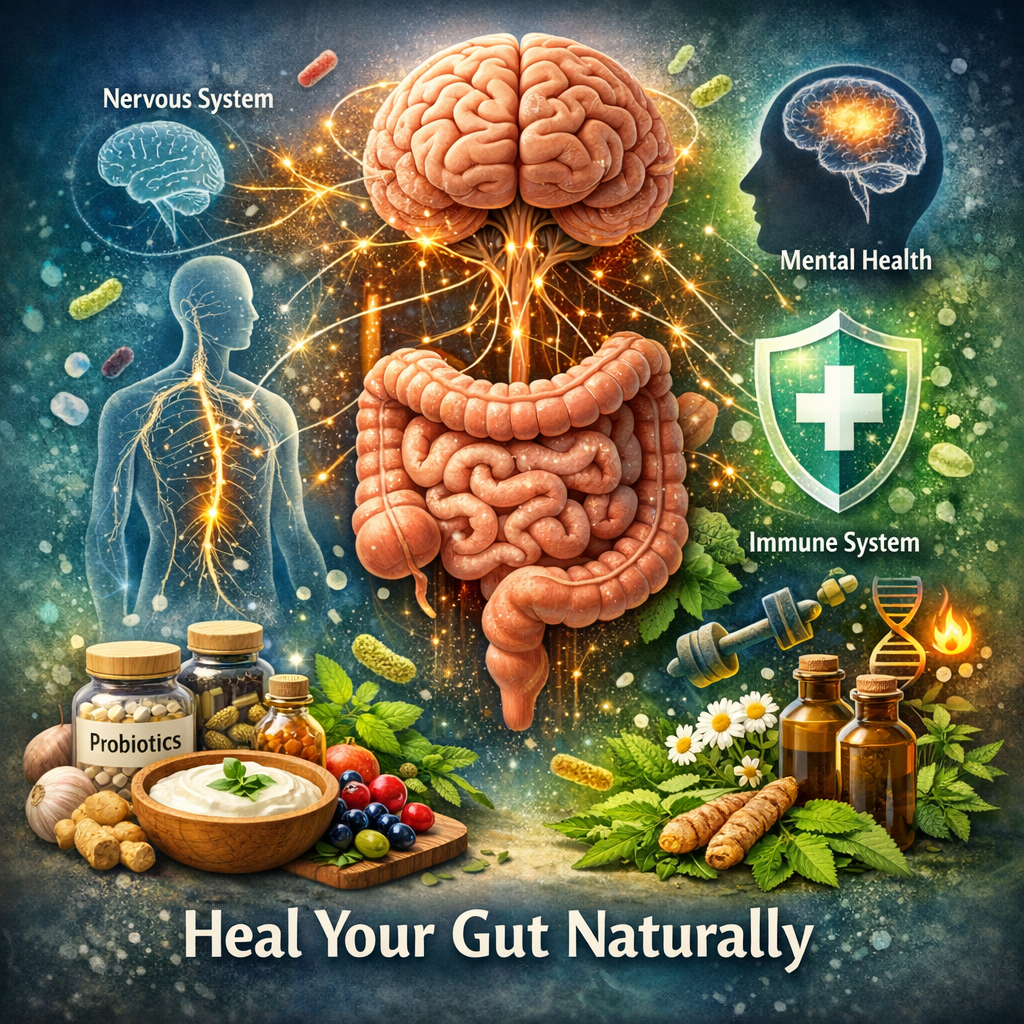
Central to this discovery is the gut-brain axis, a bidirectional communication system that links the emotional and cognitive centers of the brain with gut functions. This axis allows the gut to send signals that influence mood and mental health, while the brain can affect digestive efficiency and optimized nutrient absorption. The extensive nerve presence in the gut, alongside myriad hormonal signals, facilitates this crucial pathway, making it a key area of interest for medical professionals seeking holistic treatment options.
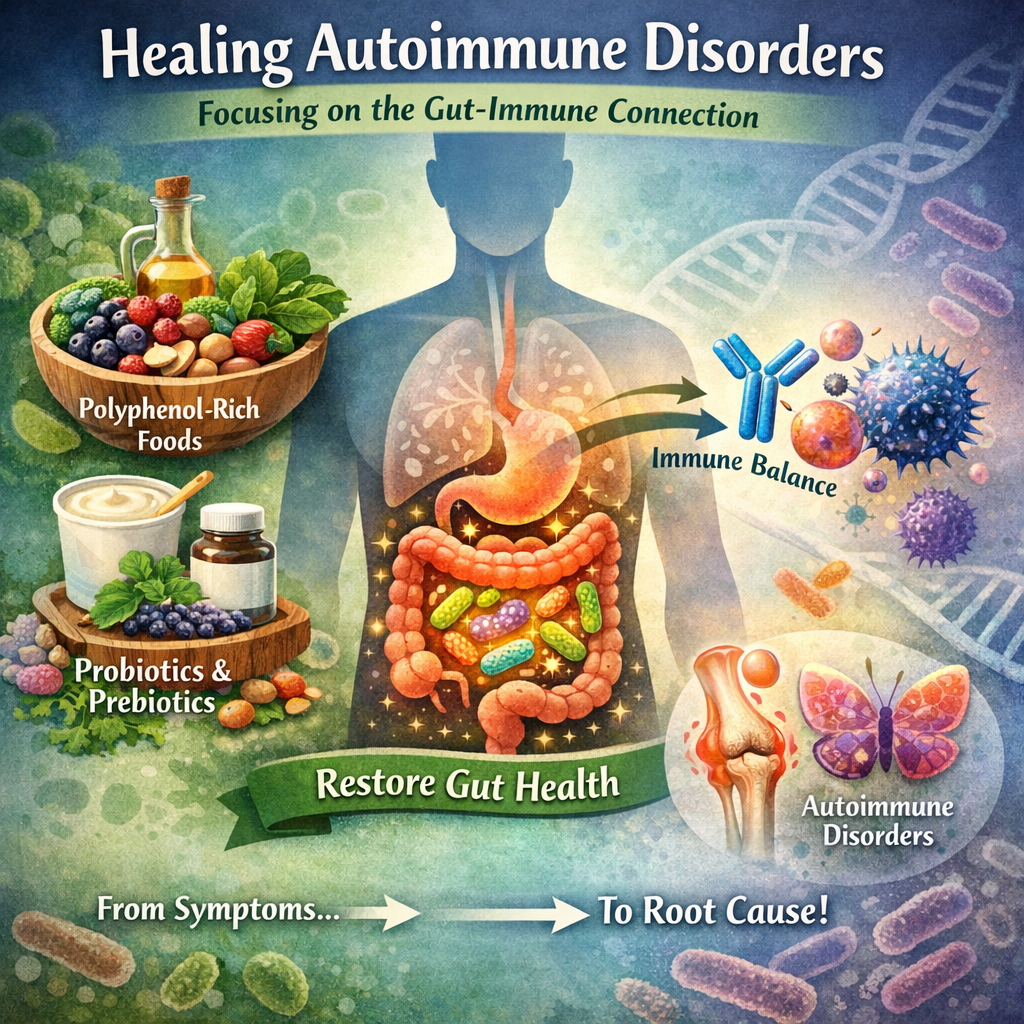
Moreover, the gut has profound interactions with the immune system. It acts as a barrier and gatekeeper, training immune cells and managing inflammatory responses. Proper gut health can lead to improved immune function, reducing inflammation and the severity of digestive issues. Herbs such as ginger, garlic, and turmeric, known for their anti-inflammatory properties, could enhance this immune-gut relationship, offering a natural pathway to managing chronic conditions.
Features: Current Studies and Insights
Recent scientific research underscores the impact of a well-functioning gut communication network on chronic digestive disorders. A study published in the [Journal of Gastroenterology and Hepatology](https://www.ncbi.nlm.nih.gov/pubmed/) (2019) highlights the role of probiotics in modulating the gut microbiome, which in turn influences gut-brain axis interactions. Participants who incorporated probiotics into their diets reported improvements in symptoms of IBS, including reduced bloating and discomfort. The study suggests that probiotics facilitate a healthier microbiome, which may improve signaling pathways between the gut and brain, thus aiding in chronic digestive management.
Further research in the [Nature Reviews Gastroenterology & Hepatology](https://www.nature.com/nrgastro/) (2020) explores the therapeutic potential of natural herbs and their impact on the gut’s messaging systems. The study finds that prebiotics, such as inulin found in chicory root, enhance beneficial gut bacteria that are crucial for maintaining gut barrier integrity. This not only supports digestive health but also influences systemic immunity, suggesting a dual mechanism that could revolutionize how we approach treatment strategies for chronic digestive disorders.
Moreover, polyphenols present in herbs like peppermint and fennel have been observed to exert a soothing effect on gut muscle fibers, aiding in the reduction of cramping and discomfort commonly associated with IBS. This ties into findings from the [American Journal of Clinical Nutrition](https://academic.oup.com/ajcn) (2018), emphasizing the potential of dietary polyphenols to support gut health by promoting the growth of beneficial bacterial strains while suppressing pathogenic ones.
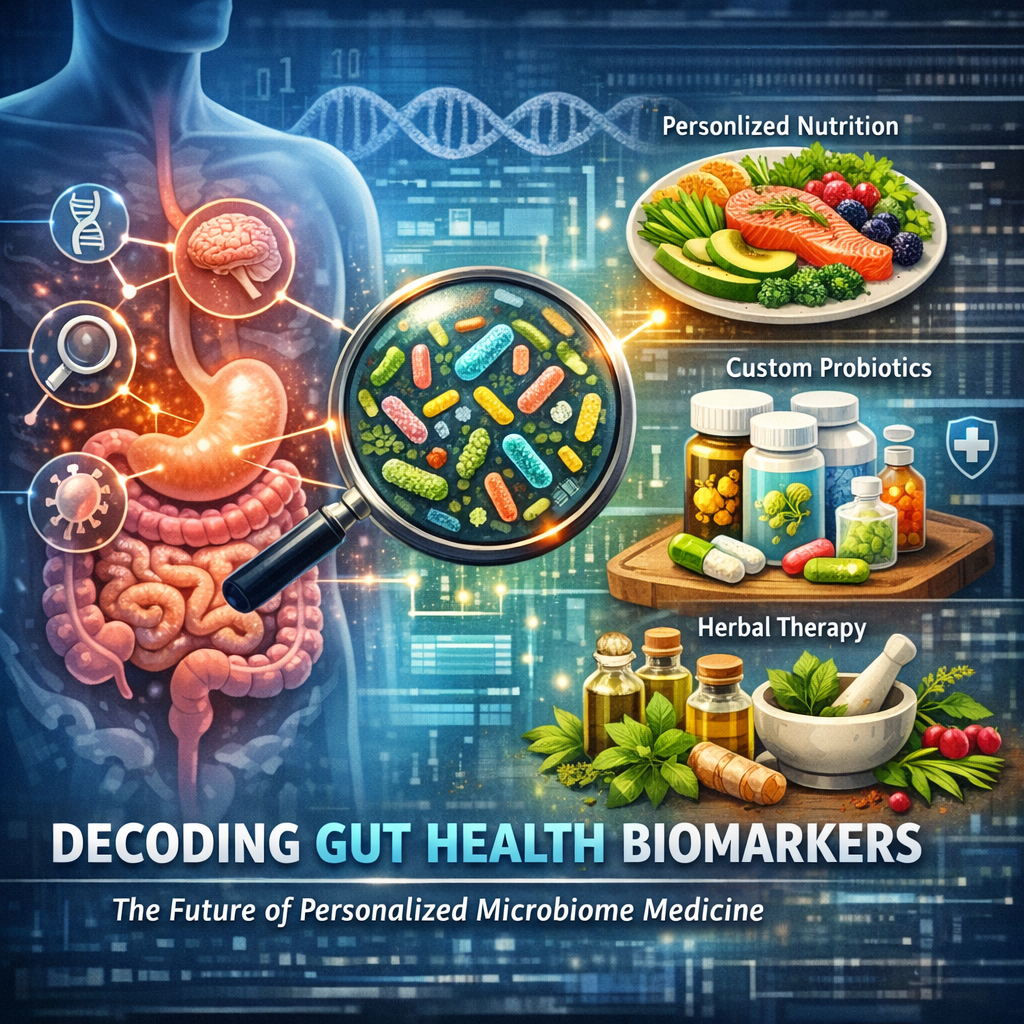
These studies highlight a growing recognition within the medical community of the potential for natural interventions to support the gut’s master network. Through a combination of dietary adjustments, targeted herbal supplements, and probiotic treatments, patients may achieve greater control over their chronic digestive symptoms and overall health.
Conclusion: The Future of Chronic Digestive Care
As research continues to unravel the intricate web of the gut’s master network, the potential for natural therapies to revolutionize chronic digestive management becomes increasingly clear. The evidence supporting the inter-system messaging capabilities of the gut underscores the importance of adopting a holistic approach that includes natural cures, dietary adjustments, and herbal treatments. By doing so, individuals with chronic digestive disorders can tap into the gut’s powerful communication network, paving the way for improved health outcomes and enhanced quality of life. Embracing these strategies will not only support gut health but also offer broader systemic benefits that underscore the gut’s vital role in overall well-being.
References
1. “[Efficacy of Probiotics in IBS: A Multicenter Study](https://www.ncbi.nlm.nih.gov/pubmed/),” Journal of Gastroenterology and Hepatology, 2019.
2. “[Gut Microbiota, Prebiotics, and Polyphenols: A Review](https://www.nature.com/nrgastro/),” Nature Reviews Gastroenterology & Hepatology, 2020.
3. “[Impact of Dietary Polyphenols on Gut Health: A Focus on Digestive Disorders](https://academic.oup.com/ajcn),” American Journal of Clinical Nutrition, 2018.
Concise Summary:
The human gut is a powerful network influencing not just digestion but overall health, linked intricately with the nervous, immune, and metabolic systems. Chronic digestive disorders like IBS, Crohn’s Disease, and Ulcerative Colitis involve this network, and managing these conditions involves more than traditional treatments. Emerging research supports the use of probiotics, prebiotics, and herbal supplements to enhance gut communication, reducing symptoms and improving overall health outcomes. By adopting holistic treatments, we can potentially revolutionize chronic digestive care, optimizing this inter-system messaging for better health and quality of life.